
ICCT Analysis: Official and actual CO₂ figures for plug-in hybrids diverge
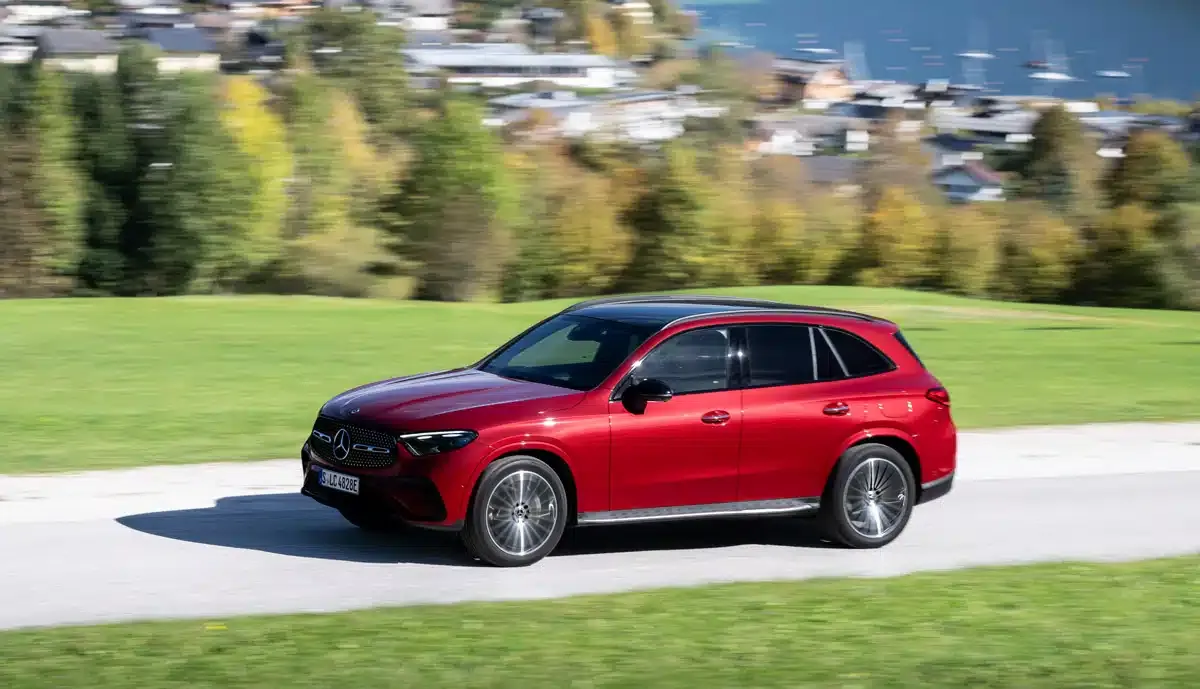
Image: Mercedes‑Benz (illustrative)
A study by the International Council on Clean Transportation (ICCT) of around 920,000 newer plug-in hybrids in Europe reveals a growing gap between actual and official CO₂ emissions. The analysis focused on vehicles registered between 2021 and 2023, using fuel consumption and energy data submitted by manufacturers to EU authorities. For vehicles registered in 2021, actual CO₂ emissions averaged 3.5 times the official figures, while those from 2023 were 4.6 times higher.
This increased the average deviation from around 260 percent for plug-in hybrids approved in 2021 to over 400 percent for vehicles from 2023. For gasoline-powered cars, including mild and full hybrids, actual emissions were approximately 1.2 times the official figures.
"Plug-in hybrids approved in 2023 emitted almost five times more CO₂ on the road than their official figures suggest, and this gap has widened over the years. This affects how these vehicles are counted toward manufacturers' CO₂ targets," explains Jan Dornoff, research leader at ICCT and author of the study. "Since the low emission levels attributed to plug-in hybrids are rarely actually achieved on the road, these vehicles receive an unfair advantage over gasoline-powered cars."
The EU formula for the “Utility Factor” used in official emission figures links electric range to the assumed proportion of electric driving. For 2022, the formula assumed an 80 percent electric driving proportion, whereas according to ICCT analysis, assuming around 21 percent would have yielded more accurate CO₂ figures for type approval. The formula also relies on the assumption that as electric range increases, so does the proportion of electric driving.
Larger electric ranges do not produce the expected effect
The analyzed data show a declining real electric driving share from 2021 to 2023, despite increasing potential electric ranges. Meanwhile, the average real CO₂ emissions rose from 130 to 134 grams per kilometer. Official figures, on the other hand, decreased from 37 to 29 grams per kilometer during the same period.
ICCT’s European director, Peter Mock, points out the discrepancy between official and real values. “New models with longer electric ranges have not resulted in a higher proportion of electric driving in practice,” said Mock. He views the European Commission’s planned adjustment to the Utility Factor by 2027 as an opportunity to reduce this gap and bring official calculations closer to actual emissions.
According to the study’s findings, even after the 2027 adjustment, regular revisions to the utility factor would be necessary to close the emission gap for plug-in hybrids and align it with the difference observed in vehicles with internal combustion engines. The research also proposes a method for such adjustments.
Between January and July 2026, about 10 percent of European new vehicle registrations were plug-in hybrids, up from 9 percent in the same period in 2025. Fully electric cars accounted for 22 percent of the market, while Chinese manufacturers produced 28 percent of all new plug-in hybrids registered in Europe — a 60 percent increase from the previous year’s figure.
"The adjustment of the utility factor in 2027 is likely to reduce the appeal of plug-in hybrids as a means for manufacturers to meet their EU CO₂ targets for new vehicles, leading to further declines in market share. Chinese manufacturers are likely to suffer the most from this," predicts Mock.
Also interesting
About the author
Thomas Langenbucher is an expert in electromobility with experience in the automotive and financial industries. Since 2011, he has been covering electric vehicles, sustainable technologies, and mobility solutions for ecomento.de. Learn more.
Reader interactions