
IAA 2026: Getting to know Delivan, Chery’s utility vehicle brand entering Europe
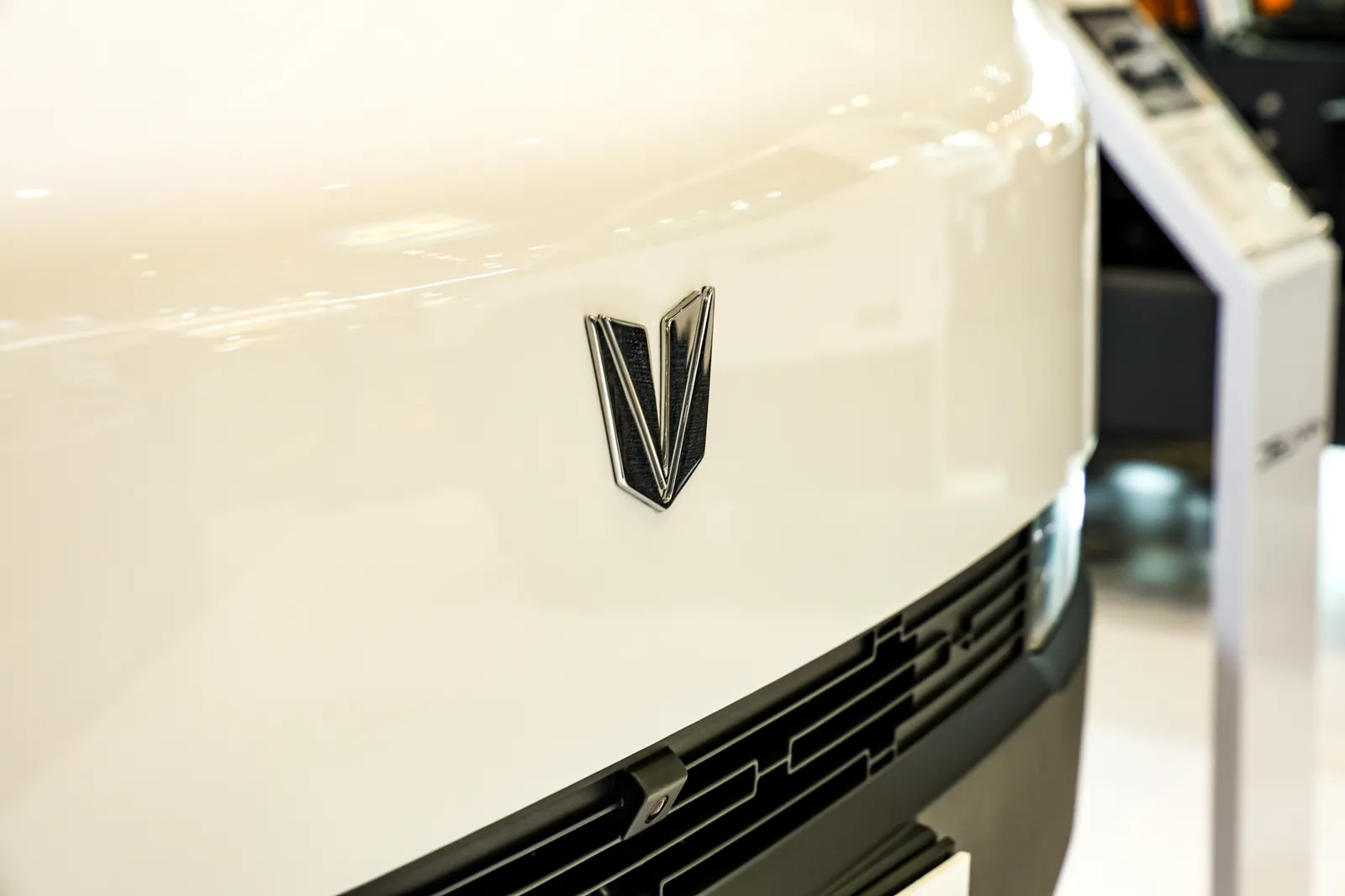
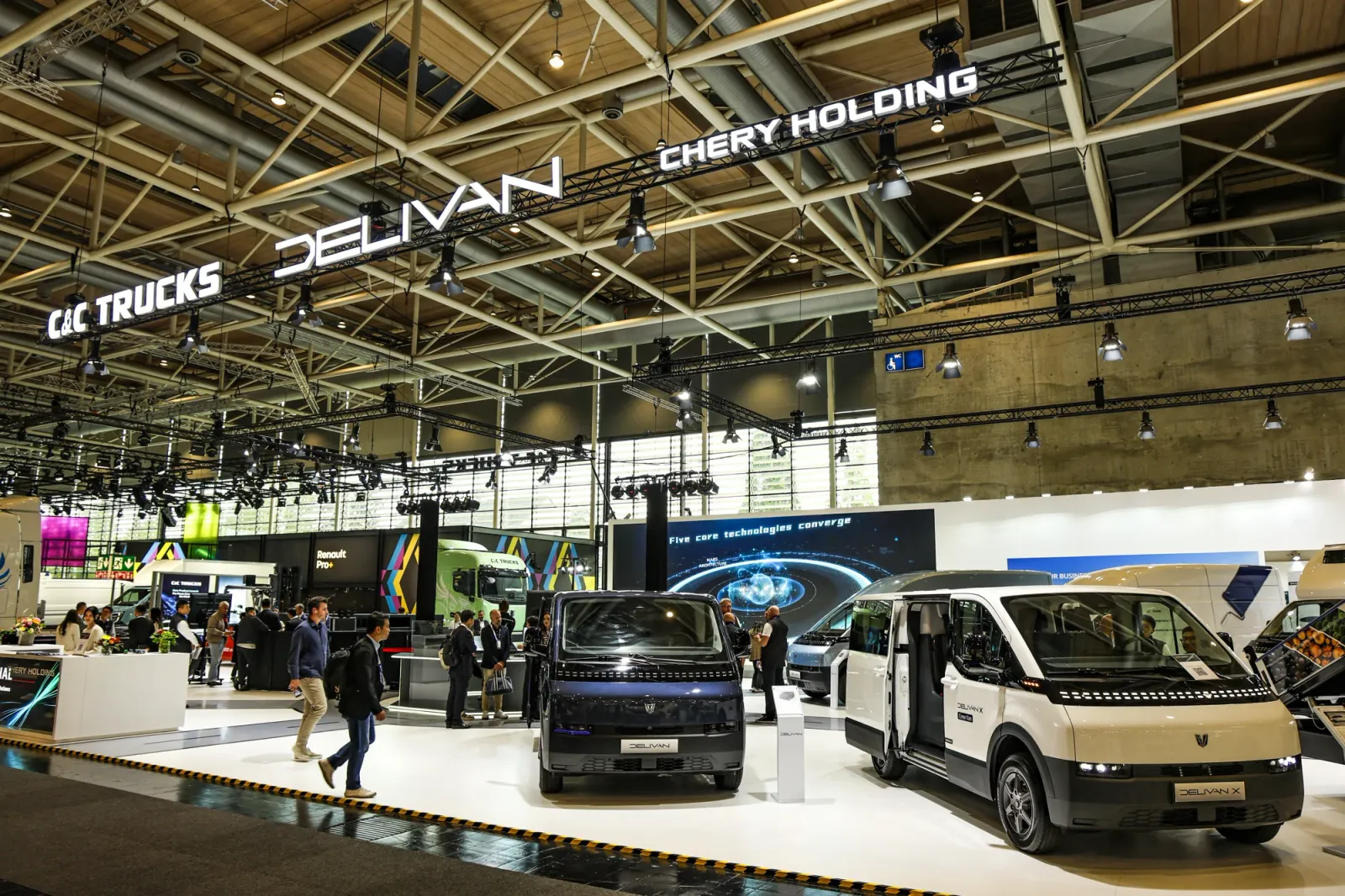
Following its passenger cars Omoda and Jaecoo, the Chinese company Chery is entering the European commercial vehicle market with Delivan. Unveiled in the UK earlier this year, the new brand showcased its models at the IAA trade show in Hanover. With two electric vans, a cab-over chassis, and several conversion options, Delivan is preparing for a gradual launch in Europe starting in 2027.
Chery continues its international expansion. Founded in 1997, the Chinese automaker surpassed 20 million vehicles produced in total by July 2026. In the first six months, 1.36 million vehicles were sold, of which 944,000 were exported. Its European sales reached 174,000 units, representing a growth of over 212% year-on-year. This momentum partly explains the launch of Delivan. Created by Chery Commercial Vehicle, the brand aims to adopt a different approach. The vehicles were developed in collaboration with British, German, French, Dutch, and Spanish customers and fleet managers. The ambition is clearly European, with headquarters located in Liverpool and operations already underway in Germany. Orders are set to open up in certain markets in the fourth quarter of 2026, ahead of full commercialization.
It will be launched in 2027, with France among the priority markets announced by the brand.Delivan: one platform, three sizes
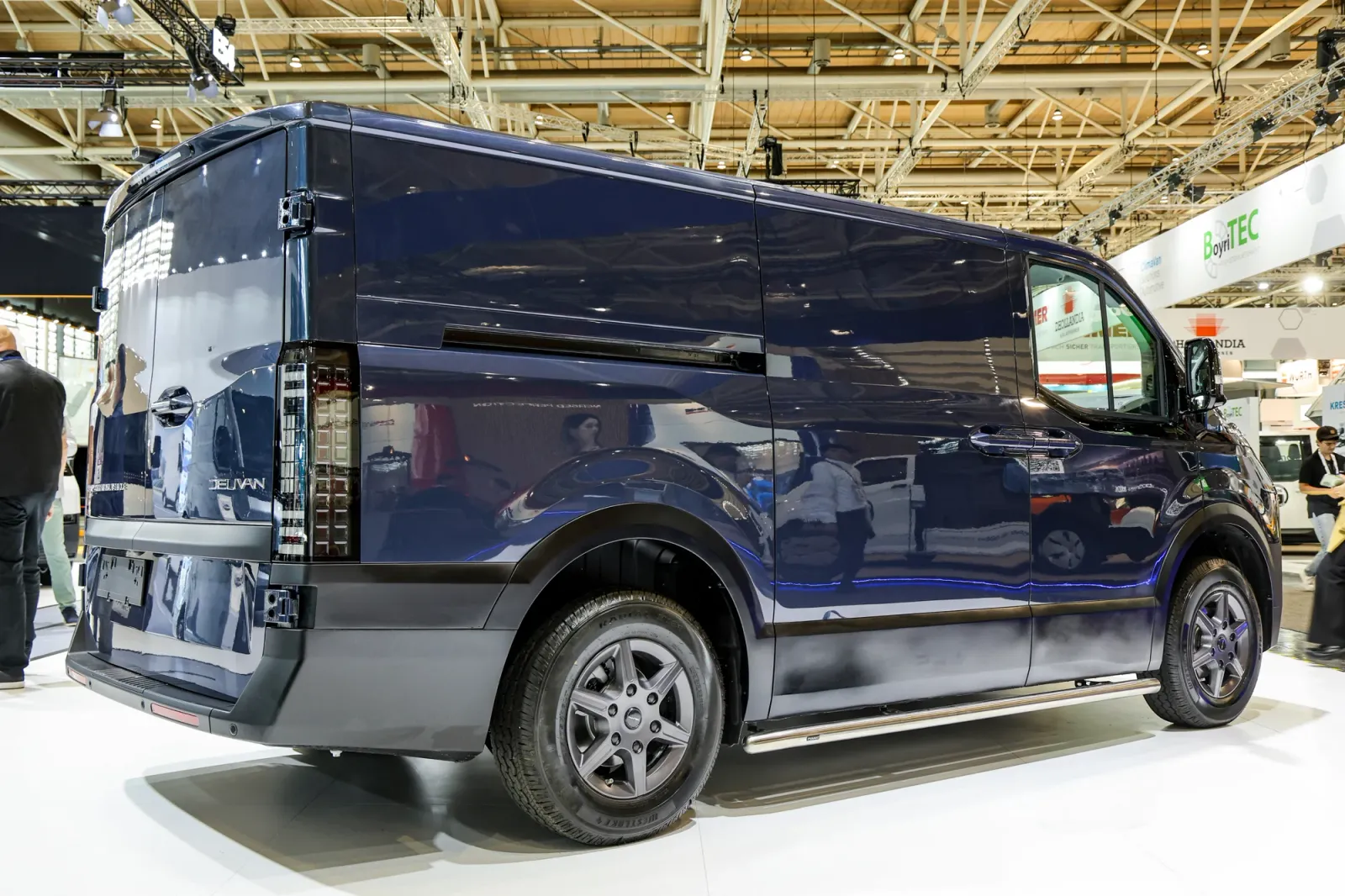
The Delivan range is based on a single platform available in several configurations. The first two series models are the Delivan L1H1 and L2H3, supplemented by the cab-chassis model L3CC. At 4.995 meters in length, the L1H1 remains under two meters in height. It offers 6.9 cubic meters of usable volume and a payload capacity of up to 1,400 kg. It is equipped with an electric motor producing 175 kW / 238 horsepower and 325 Nm of torque, paired with a front-wheel drive system. The L2H3, which is larger, measures 5.495 meters in length and 2.60 meters in height. Its volume reaches 11.6 cubic meters, while its payload capacity ranges from 1,000 to 1,300 kg depending on the battery chosen.
The two vans can also pull a load of up to 2.5 tons. The L3CC adopts a different approach. This cab-over chassis features a 150 kW/204 hp engine with 380 Nm of torque, paired with a 97.4 kWh battery. It is available in an N1 version weighing 3.5 tons with a payload of 1,380 kg, as well as an N2 version weighing 4.25 tons capable of carrying up to 2,120 kg. However, be cautious with the latter configuration: as of now, a vehicle weighing 4.25 tons still requires a C1 license in France. The manufacturer also pens attention to the onboard comfort, offering comprehensive multimedia and convenience features:
12.8-inch touchscreen display
8.8-inch digital instrument cluster
Direct-access controls
USB-A and USB-C ports
Wireless charger
Heated seats and steering wheel
Remote climate control
Heated windshield
Delivan and Gruau: Customizing vans for professionals
To establish itself among European professionals, Delivan relies not only on its standard vehicles. The brand also develops a comprehensive transformation ecosystem in partnership with several European specialists. Four versions are showcased at Hanover: Crew Van, Fridge Box, Tools Storage, and 3-Way Tipper. These cater to the needs of passenger transport, cold storage, industries requiring extensive tooling, and material transportation respectively. Most importantly, Delivan has officially strengthened its partnership with Gruau, which was first announced in April at the Commercial Vehicle Show in Birmingham.
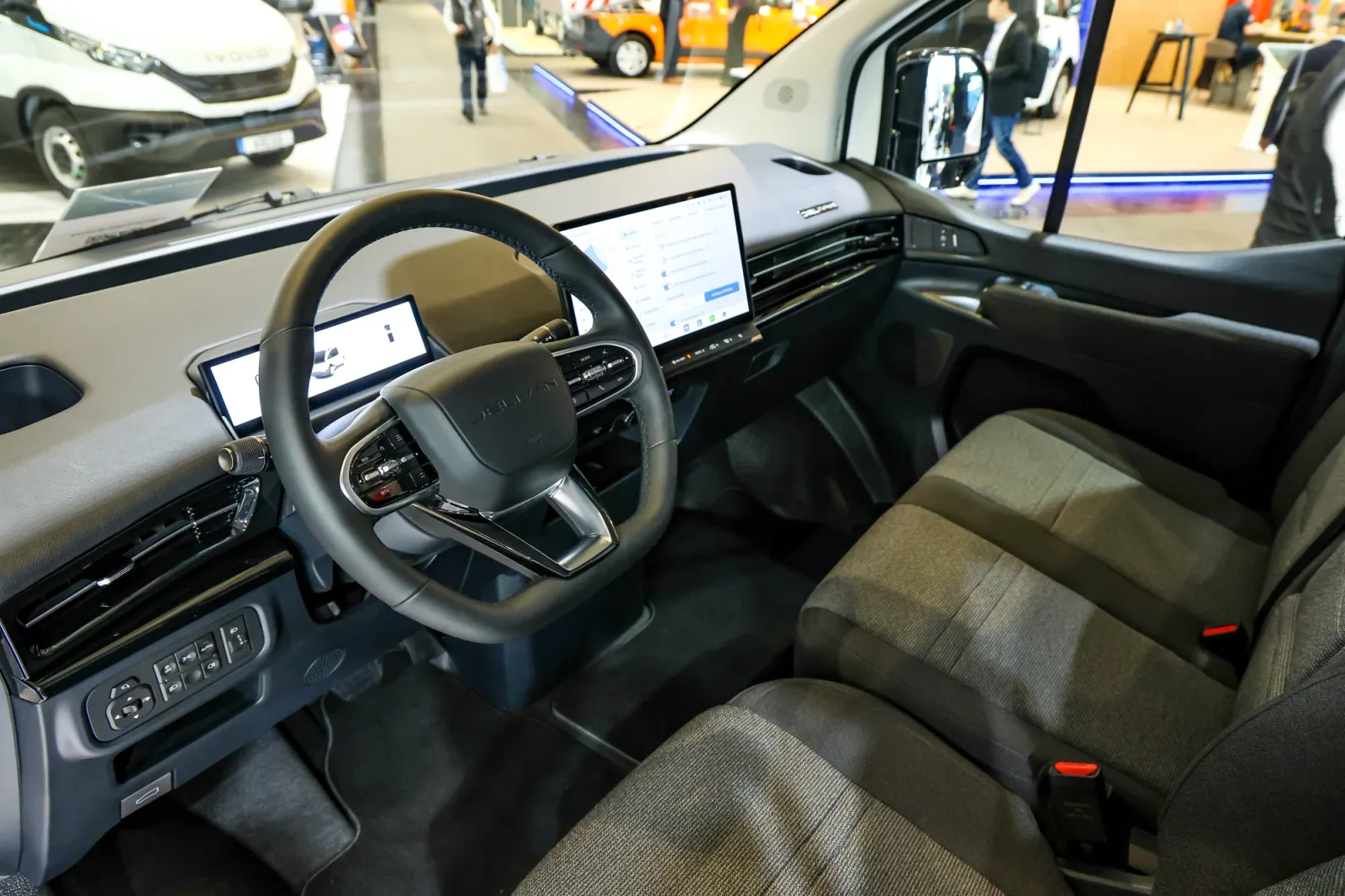
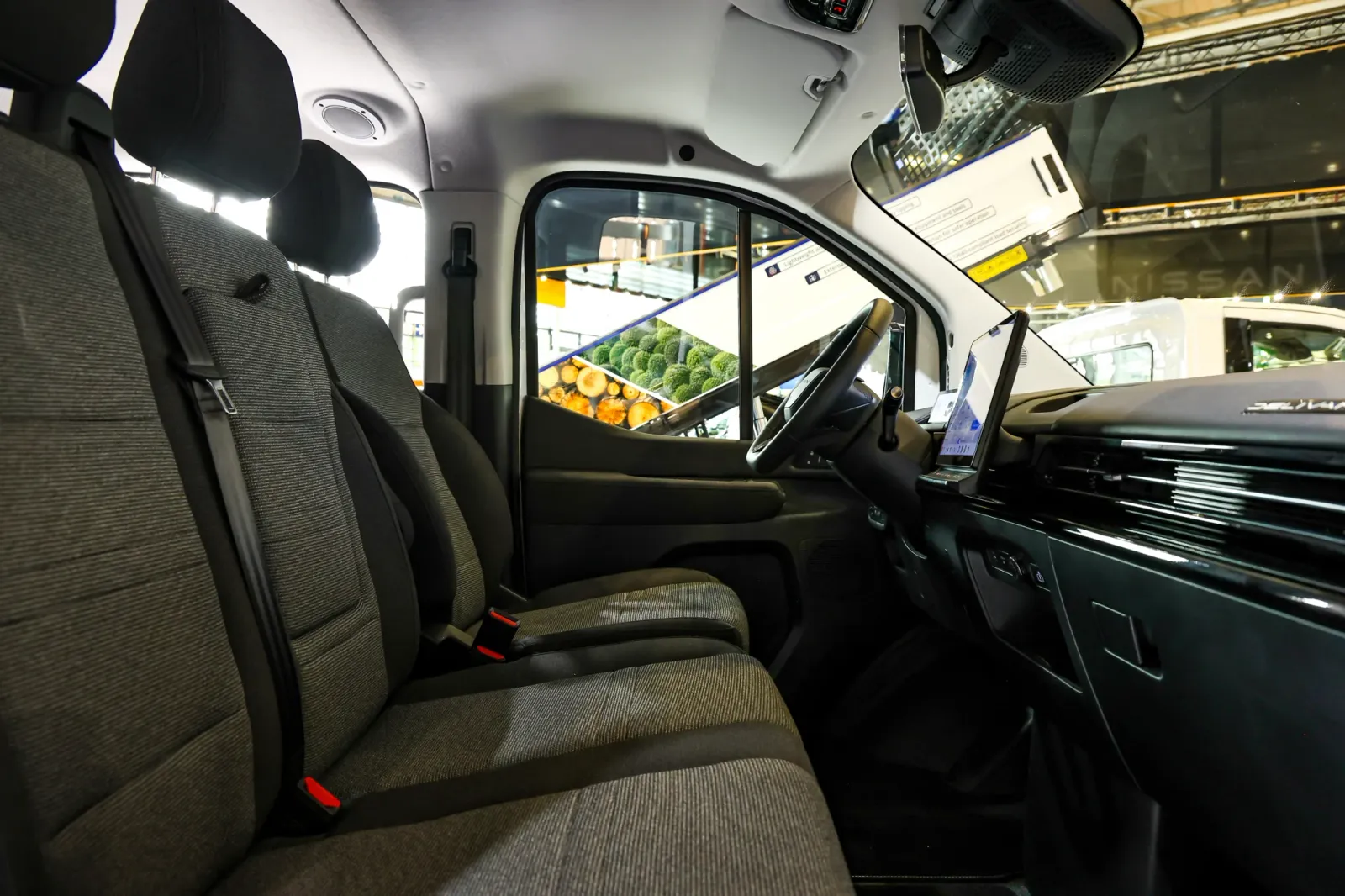
The French vehicle manufacturer, represented on site by Patrick Gruau himself, becomes the official partner for the transformation of this vehicle line. Gruau can rely on its facilities in France, Italy, and Poland to adapt vehicles for different markets. This collaboration aims to deliver solutions more quickly tailored to local needs while maintaining a common industrial approach. Sortimo, Junge, and Bott complement this effort and also participate in the development of the solutions displayed in Hanover. Delivan also plans to introduce standardized interfaces to facilitate the integration of various equipment.
Up to 426 km of range and 22 minutes of charging time
With electrification being a key focus, Delivan’s another strength lies in its technology. All vehicles are equipped with LFP batteries cooled and heated by liquid. Three battery capacities are available: 50, 4, 68.7, and 97.4 kWh. In the L1H1 model, these capacities enable ranges of 256 and 343 km respectively under WLTP standards. The L2H3 model offers ranges of 216, 285, or 426 km depending on the chosen battery pack. The largest battery is paired with a 600 V electrical architecture. Fast DC charging takes about 22 minutes to reach 80% charge from 15%. With alternating current, the onboard charger delivers 11 kW. A heat pump is also available to improve efficiency in colder conditions. Finally, Delivan targets professional use cases with V2L functionality, allowing direct power supply to electrical tools.
The onboard outlets can deliver up to 6.6 kW with a 97.4 kWh battery, while a dedicated outlet provides 3.5 kW. A 10 kW E-PTO also allows powering a dump truck, refrigeration unit, or hydraulic equipment. In addition, there are the connected services Delivan I, Pro, and X, dedicated respectively to fleet management, vehicle availability, and customization. In line with industry trends, the brand aims to sell more than just a utility vehicle: an integrated package combining the vehicle, data, maintenance, and adaptation to specific industries. What remains to be known are the prices, French distribution network, and commercial terms. Delivan still needs to overcome these final hurdles before truly competing with European market leaders. For now, the standard warranties are already known: 5 years or 240,000 km for the vehicle, 8 years or 240,000
kilometers for the battery.