
Hyundai is going all in with new electric cars in segments it has not yet entered in Europe to triple its sales by 2023
22/09/2026 14:30
Updated to
22/09/2026 14:30
Add Hybrids and Electrics as Google’s preferred source for free.
Stay informed with the latest news.
Activate now
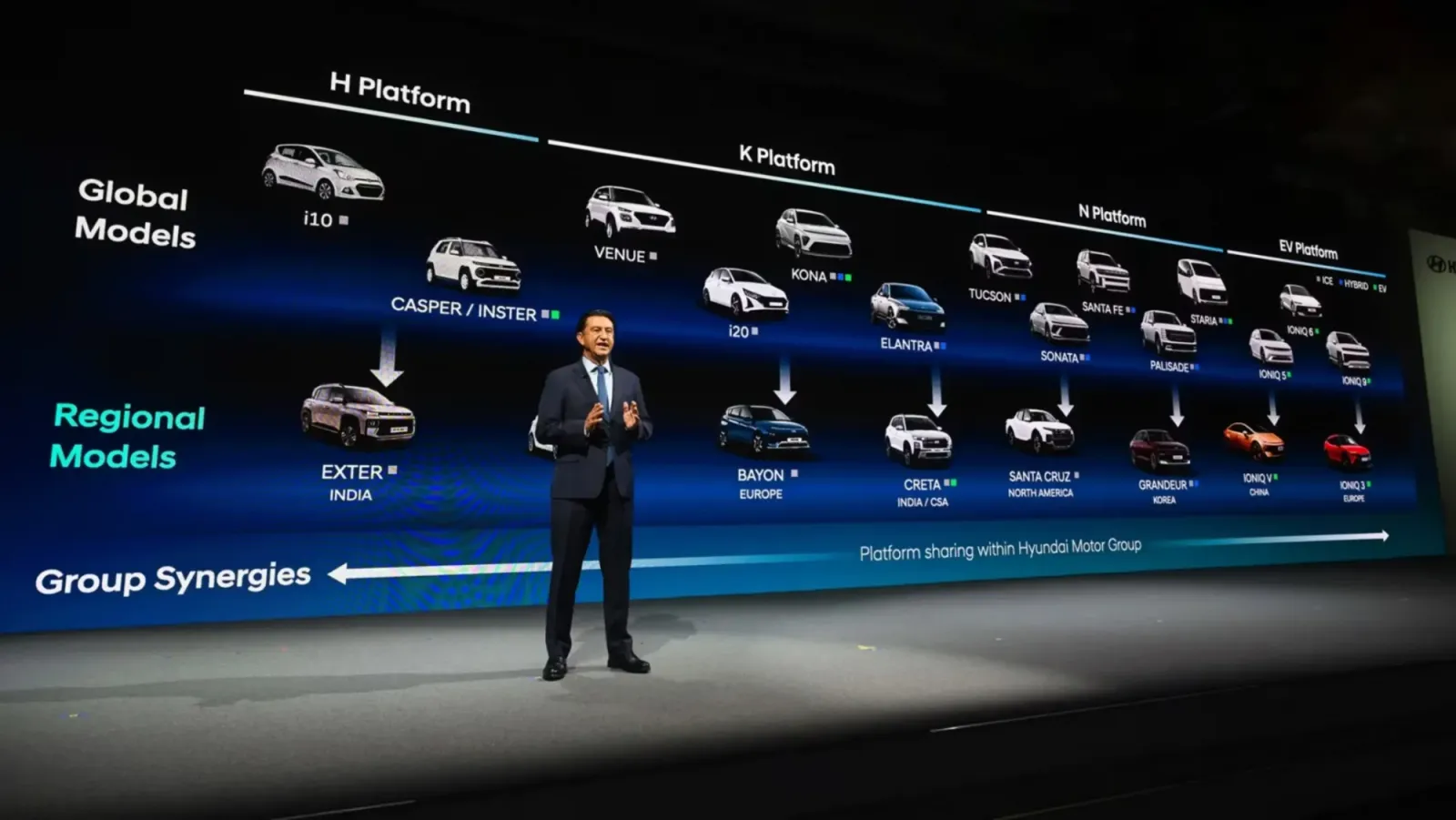
During last year’s 2026 Investor Day, Hyundai unveiled an ambitious global roadmap that positions Europe as one of its key growth targets. The South Korean company aims to nearly quadruple its deliveries of 100% electric vehicles on the Old Continent, rising from 116,000 units recorded in 2025 to over 420,000 annual sales by 2030.
To achieve this volume, the strategy involves not only updating the established models in its lineup but also entering market niches where the brand is still unrepresented. The company aims to cover around 85% of European market segments by launching or refreshing up to 41 models in the coming years, introducing new architectures and body styles tailored to local regulatory and consumer demands.
From compact urban vehicles to commercial trucks
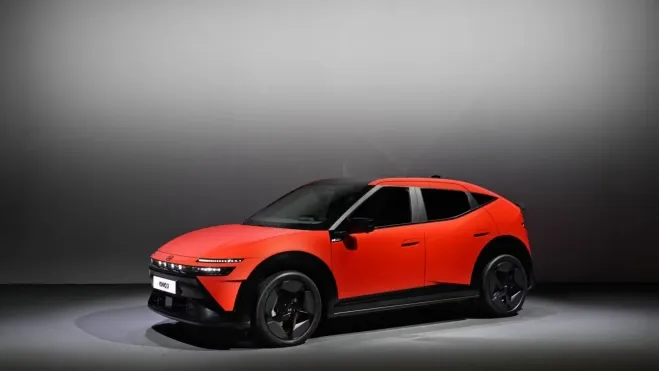
Hyundai’s plan for the European market focuses on the highest-volume categories and those that require an urgent shift toward sustainability. Among the key new models confirmed for the region are two all-new 100% electric vehicles in the B-segment, one of the most competitive segments on the continent due to its balance of size, urban versatility, and cost. These models aim to make electrification more accessible by offering competitive range for daily use.
This offensive in the entry-level segment will be complemented by the introduction of a large electric SUV in Segment D, designed to meet the space and performance needs of family customers. It will also expand into the professional transportation market with two new electric vans and light commercial vehicles. With this range of body types, the brand not only diversifies its catalog but also enters markets where European and Asian competitors have previously held almost exclusive dominance.
Evolution to optimize efficiency and cost
The introduction of this new generation of vehicles is not merely due to an increase in the number of models, but also reflects significant advancements in battery engineering, onboard software, and production costs. Hyundai is working on developing new NCM chemistry battery cells that can reduce manufacturing costs by nearly 30% without compromising energy performance under real-world conditions, a key factor in achieving more affordable pricing in entry-level segments.
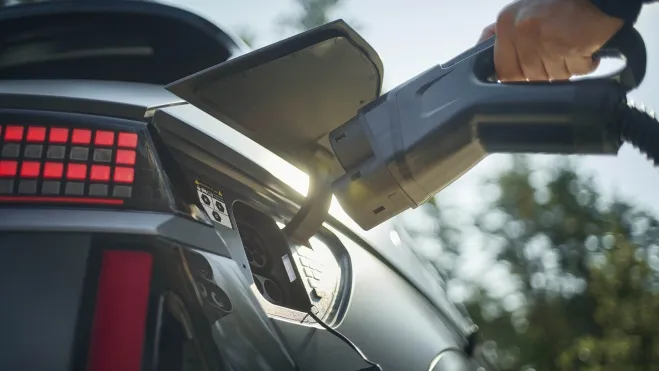
On the other hand, the integration of the new connected software architecture Pleos Connect and improvements in the efficiency of traction components will enable higher levels of range with smaller battery packs. All of this technical restructuring aims to address the common concerns of users new to electric mobility by providing a faster charging experience, reduced maintenance costs, and a seamless transition in daily use.