
Hyundai starts producing the Ioniq 3 in Turkey
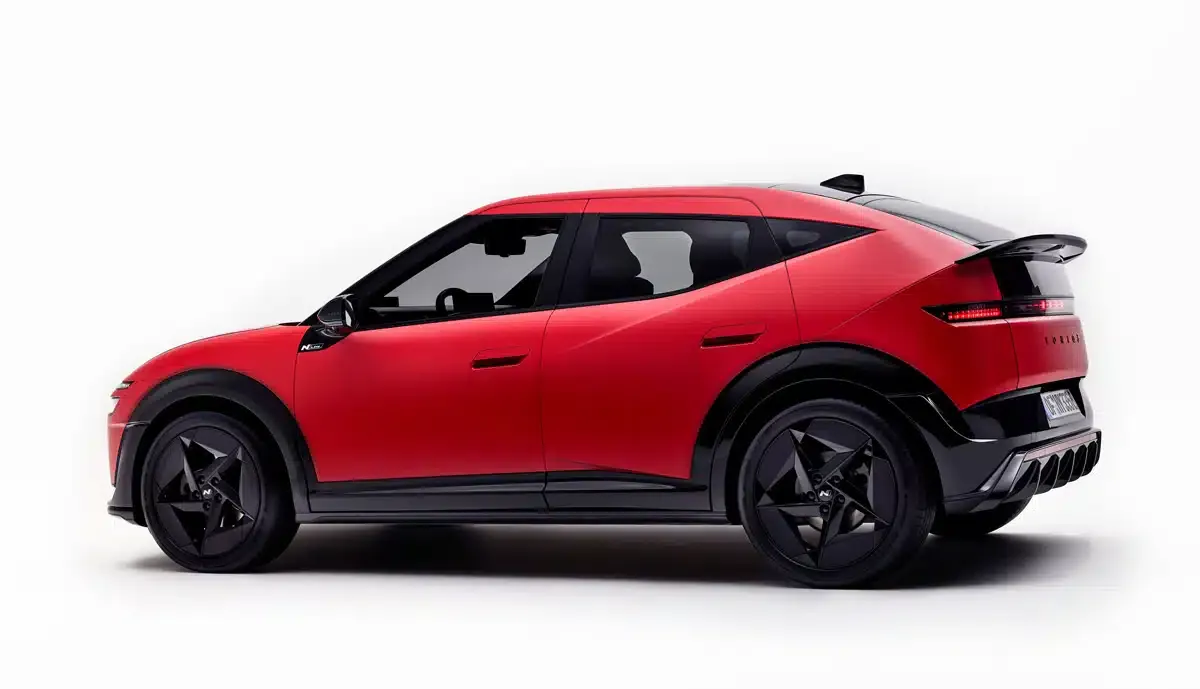
Image: Hyundai
Hyundai Motor Türkiye has begun producing the Ioniq 3 electric vehicle at its İzmit plant. This compact car from the South Korean company is the first fully battery-powered passenger vehicle model from a foreign manufacturer to be produced in Turkey. Hyundai describes this production start as another significant milestone in its electrification strategy and as a boost to its manufacturing operations in Europe.
According to Hyundai, the company invested 250 million euros in the facility before production began. Over 50 percent of the plant was upgraded within the past two years. These investments enable the manufacturing of electric vehicles in Turkey and the production of the latest generation of electrified vehicles.
Hyundai Motor Türkiye was established in 1997 and has been producing vehicles for almost 30 years. During this time, Hyundai has invested a total of 1.185 billion euros. The production of the new Ioniq 3 marks a new chapter for the facility, according to the company, and underscores Hyundai’s long-term strategic commitment to advanced manufacturing in Turkey.
Meanwhile, Hyundai is preparing to start production of the next generation of the Bayon and i20. Hybrid versions of these two models are set to further strengthen the facility starting in 2027. Together with Hyundai Mobis, a battery system assembly plant is also being built in İzmit, where energy storage units for hybrid vehicles will be assembled in the future.
The İzmit plant is Hyundai’s first and longest-running overseas facility. Xavier Martinet, President & CEO of Hyundai Motor Europe, described the launch of production of the Ioniq 3 as “a significant milestone for our plant in İzmit and for Hyundai in Europe.” The production of the first electric vehicle in Turkey enhances manufacturing capabilities, increases flexibility, and supports the goal of further expanding electrified mobility in Europe.
The Ioniq 3, measuring 4155 millimeters in length, 1800 millimeters in width, and 1505 millimeters in height, combines a striking exterior design, an customizable interior, and connected vehicle technology. According to the manufacturer, this all-electric compact car was developed to meet the daily needs of drivers and passengers. Its design is based on the “Art of Steel” design language, characterized by clean lines and evident in the so-called “Aero Hatch” silhouette, which aims to combine aerodynamic efficiency with a spacious interior.
Two battery options, featuring LFP or NMC cells, are said to offer WLTP range from over 335 kilometers (standard range) to more than 490 kilometers (long range). Fast DC charging at up to 119 kW can charge the batteries from 10% to 80% in about 29 minutes, supplemented by AC charging capability of up to 22 kW (with 11 kW as standard). “Equipped with efficient electric drives that deliver up to 107.8 kW (147 hp) of power and 250 Nm of torque, along with a top speed of 165 km/h, the Ioniq 3 is designed to fit seamlessly into modern European lifestyles,” Hyundai claims.
The base model of the Ioniq 3 features an electric motor with 99.5 kW (135 hp) of power. It accelerates from 0 to 100 km/h in 9.0 or 9.6 seconds, depending on the electric motor variant. Top speed figures have not been released yet. The manufacturer emphasizes that the Ioniq 3 was developed, tested, and produced for Europe, with European customers, driving habits, and infrastructure taken into account during development. The suspension, steering, and ride comfort are tuned to suit European road conditions locally. Orders for the Ioniq 3 are not yet possible, but it is set to start at just under 30,000 euros.
Also interesting
About the author
Thomas Langenbucher is an expert in electromobility with professional experience in the automotive industry and finance sector. Since 2011, he has been covering electric vehicles, sustainable technologies, and mobility solutions for ecomento.de. Learn more.
Reader interactions