
Hyundai rushed into electric vehicles but is “deliberately delaying” its own autonomous driving systems. It will overtake Tesla “within 5 years”.
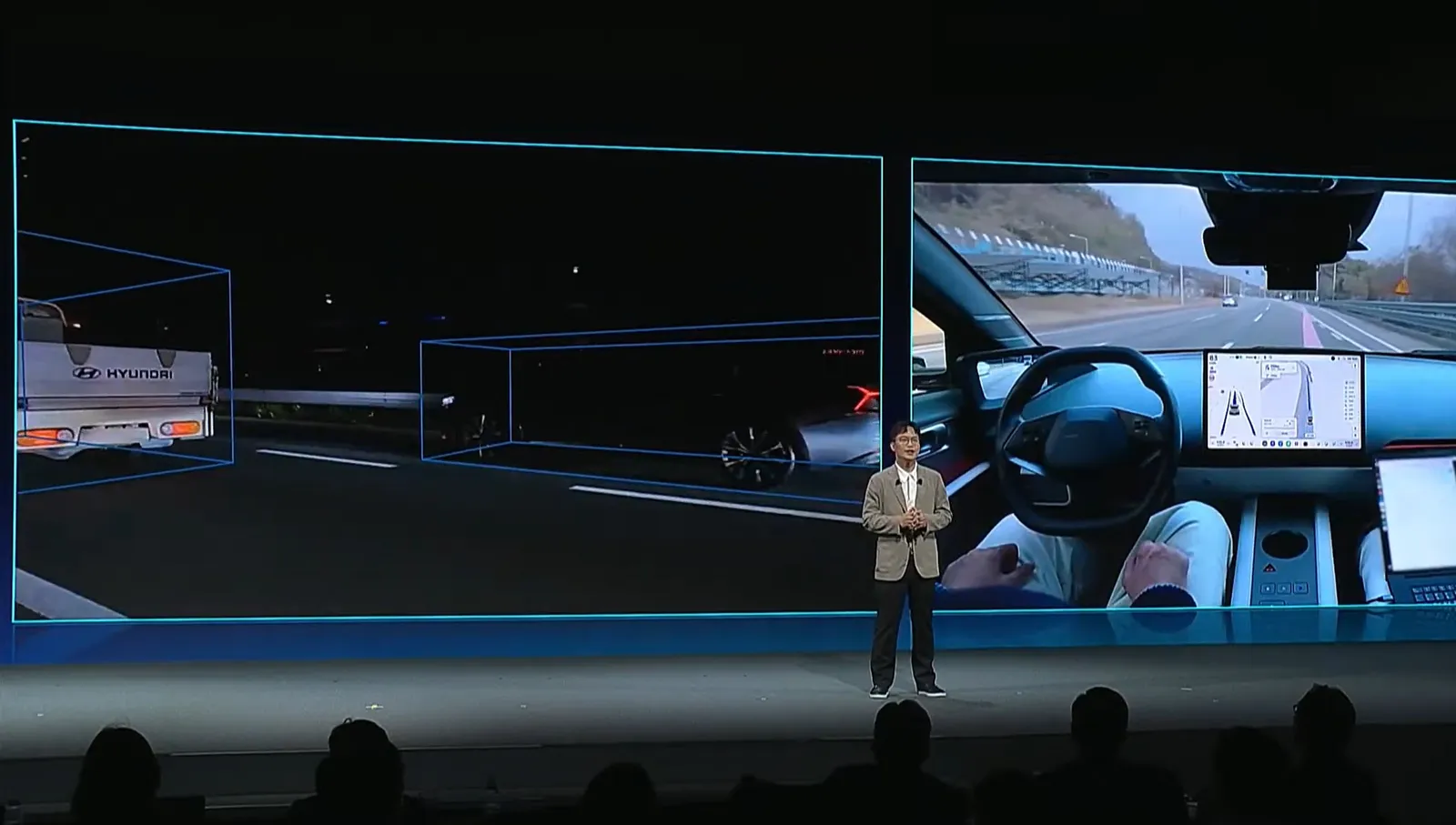
A few weeks ago, Hyundai Motor Group announced its strategic goals for the next five years. There was some slowdown in electric vehicles, increased focus on hybrid powertrains, but most significantly, a major reduction in efforts for (semi)autonomous driving software. Now the company explains that this was a deliberate move to first gather data and teach the systems the most important skills, before overtaking Tesla’s FSD “within five years” (source).
Has Hyundai realized the scale of the challenge ahead?
Table of contents
Has Hyundai realized the scale of the challenge ahead?
Starting in 2028, Hyundai/Kia cars will begin recording the world?
Hyundai Group was perhaps the world’s first major automaker to have a universal vehicle platform (Kia Soul, Hyundai Ioniq series), and after gaining experience with it, it moved on to more advanced electric technologies in higher-end segments (800 V architecture, V2L). However, the company struggled with software, whereas semi-autonomous to fully autonomous driving systems require the greatest expertise in software development, along with optimization of sensors, energy consumption, and costs.
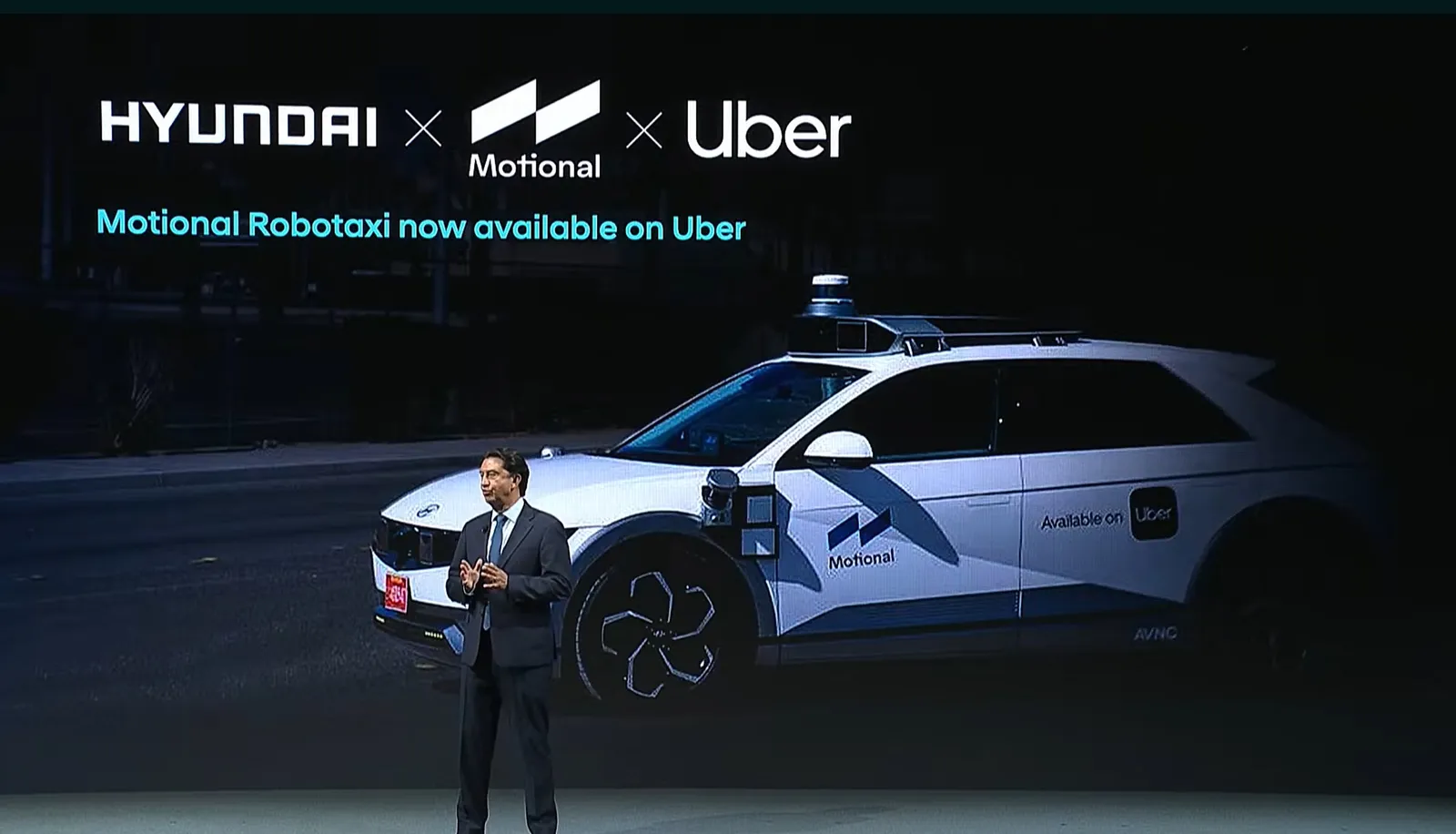
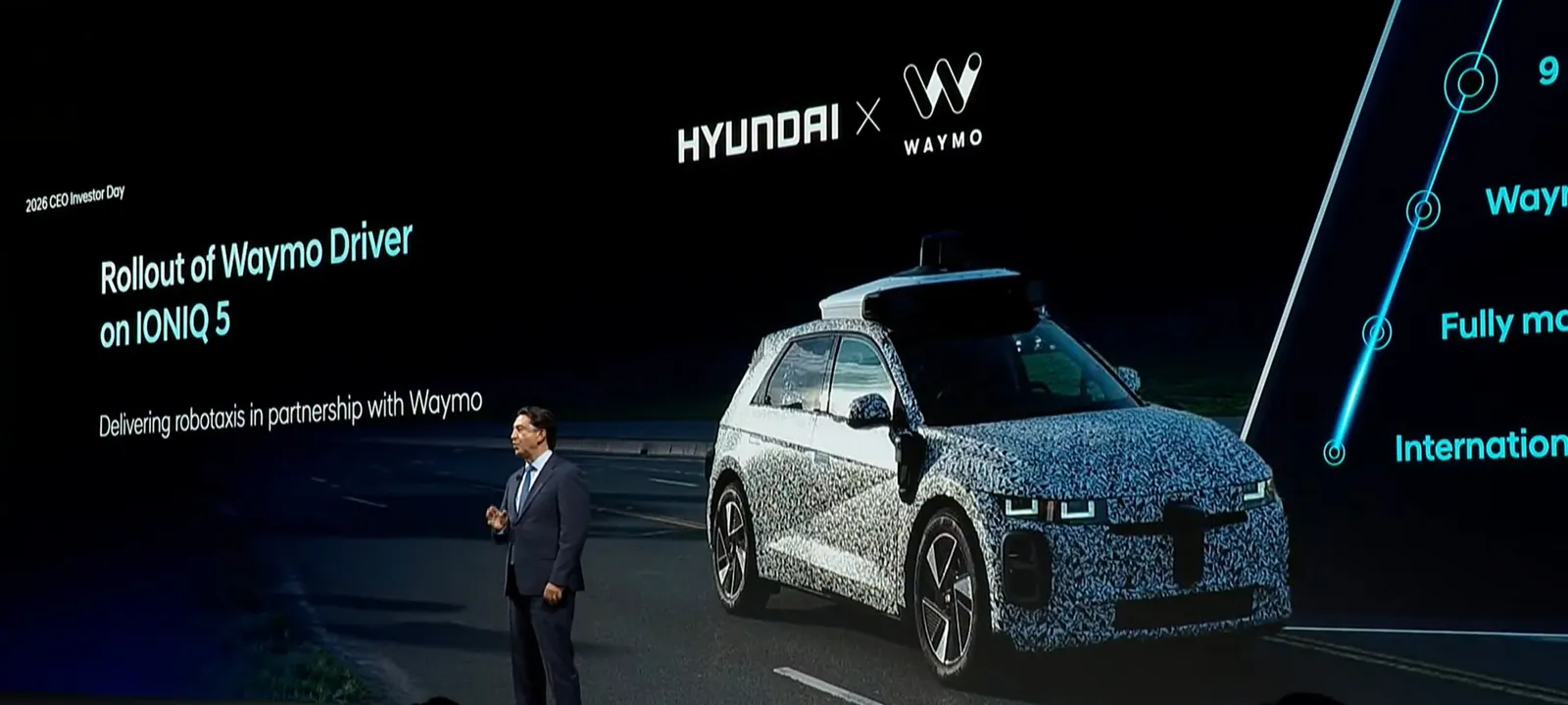
Hyundai is already producing platform vehicles for autonomous cars. Currently, this is the Hyundai Ioniq 5. But the software for these vehicles is provided by external companies, such as Motional (above) or Waymo (below).
Hyundai seems to have decided to wait out the worst of the period when the rush toward autonomy and artificial intelligence drives up electronics prices and increases the likelihood of mistakes. The Atria AI system is not expected to make its way into mass-produced vehicles until 2028. The company “made a strategic decision to slow down” so as not to release a “mediocre 2++ level system” due to haste—something that is essentially what almost all other brands already offer. The software is set to evolve gradually, with driving, parking, and active safety systems being refined by 2027.
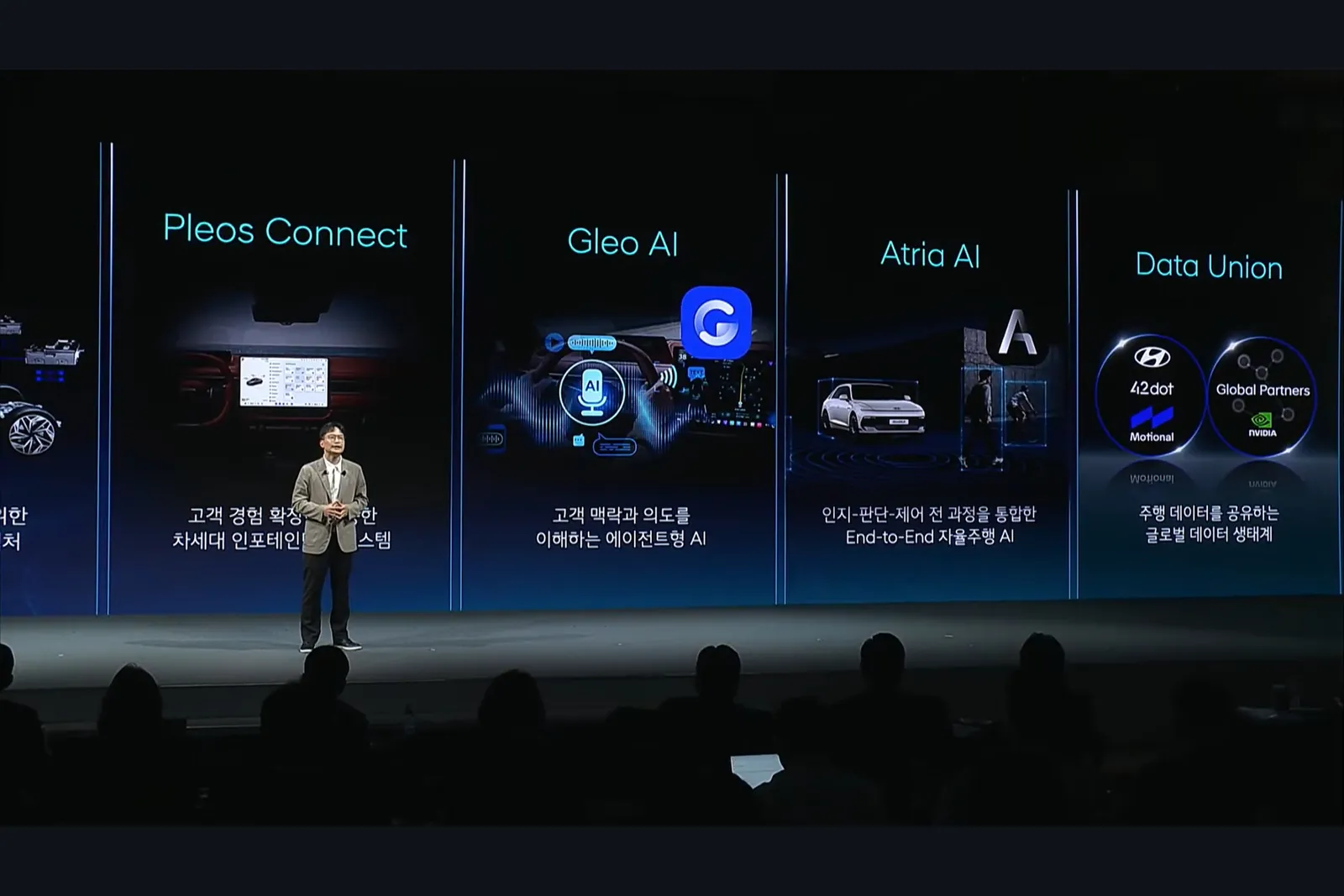
Creating an AI system that learns to drive requires a range of solutions at different levels.
Will Hyundai/Kia cars start recording the world starting in 2028?
In 2028 — which is interesting — Hyundai aims to “collect massive amounts of data from edge situations.” To collect anything, there needs to be space for data (servers) as well as a network of sensors on the roads. The company must therefore develop capabilities for actively collecting, filtering, and retaining key information, and more importantly, train its cars to record footage of the world. It’s unclear whether the cars will decide whether a situation falls under the “edge” category, or if a human will be the main selector (“record and send when significant acceleration changes are detected”), or perhaps all filtering will take place only on the side of the computing center.
Atria AI is learning to drive
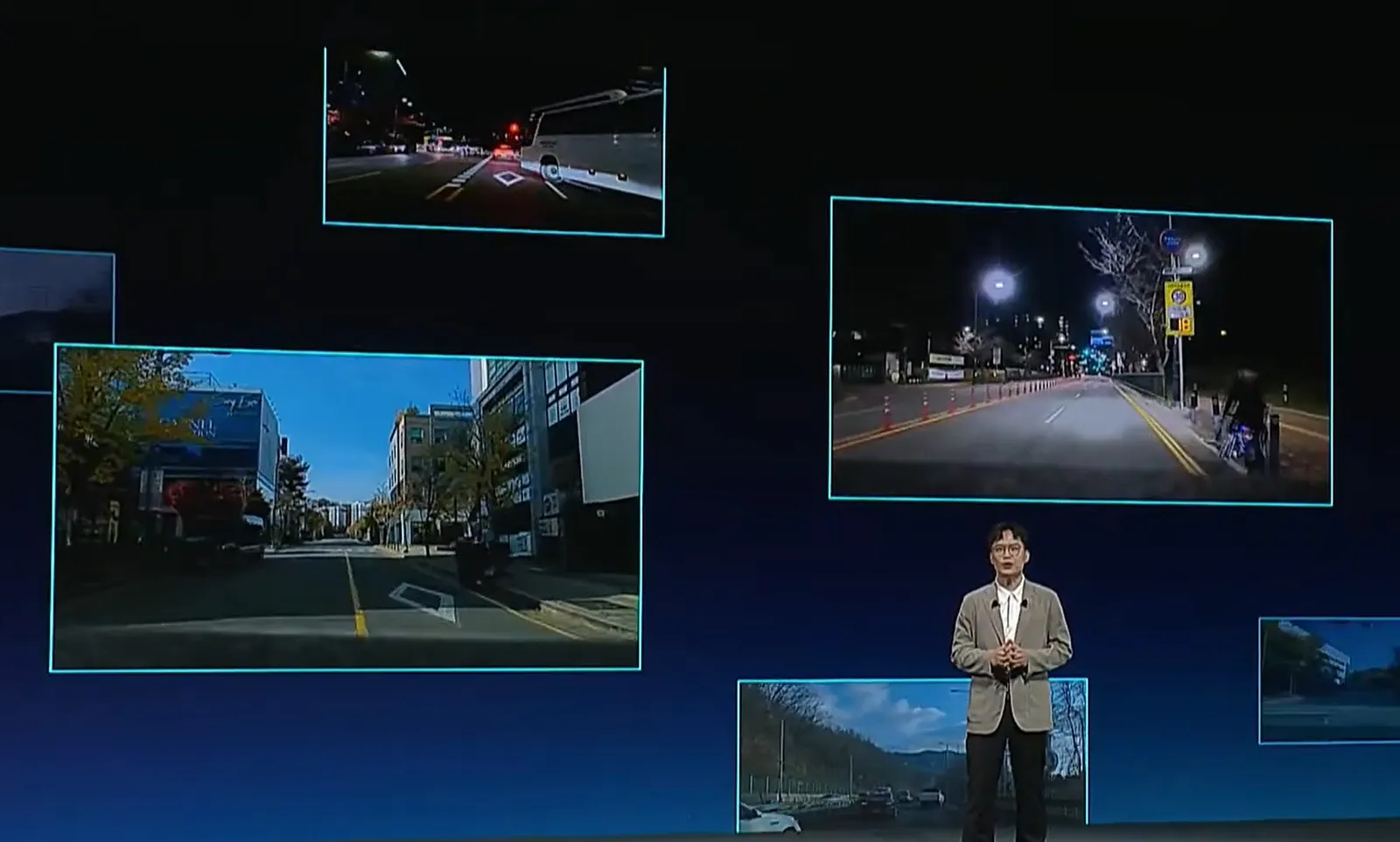
"Edge cases." Unfortunately, only in the thumbnails
In 2029, Hyundai plans to prepare for homologation of its systems in South Korea, North America, and Europe. The company estimates it will need five years to surpass Tesla’s FSD.
Note from Elektrowozu editorial team: the entire strategy is explained in the video below. It seems all major automotive media worldwide missed the news that Hyundai sees opportunities in the Performance segment and will soon introduce new car models that are dynamic but not as extreme as the N models.
Article rating
Reader Ratings
[Total: 0 votes Average: 0]
Don’t miss new content — CLICK and FOLLOW Elektrowoz.pl on Google News. You might also be interested in the following ads: