
Hyundai is preparing two new Ioniqs that we’ve been waiting for for years: this is what the future Ioniq 4 and Ioniq 7 will look like.
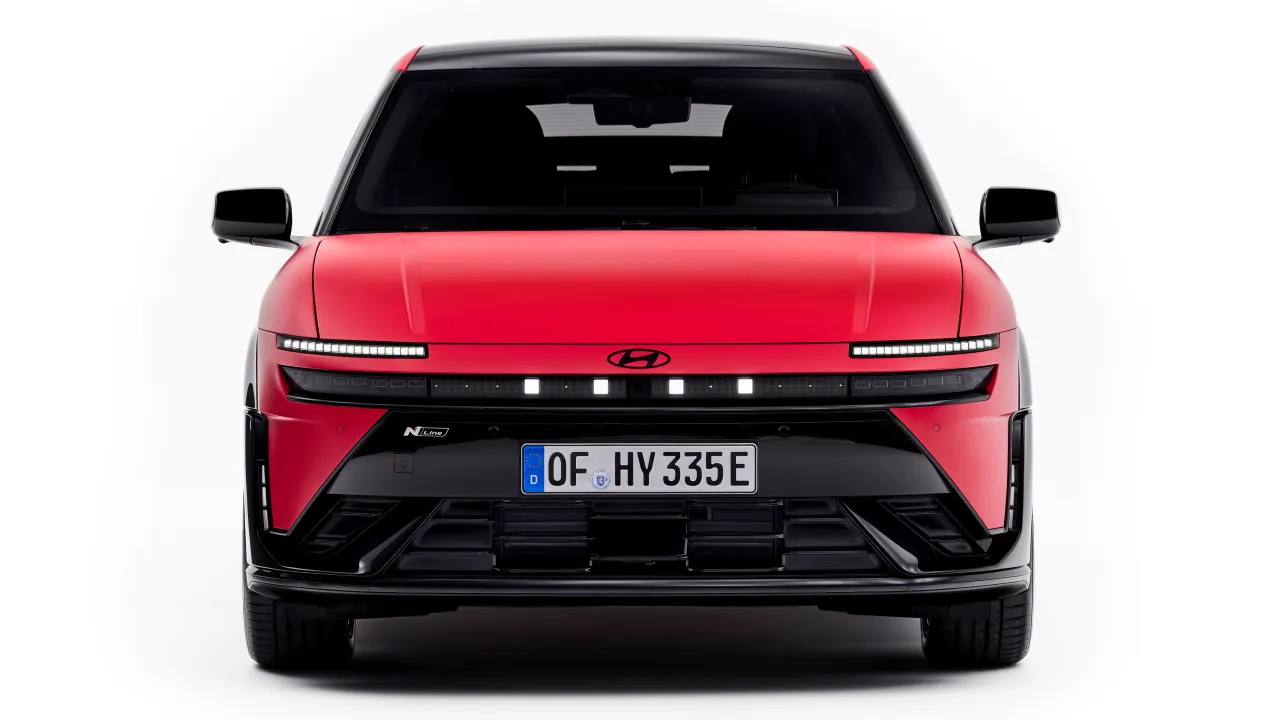
Hyundai aims to accelerate its growth with its Ioniq lineup. The South Korean brand plans to significantly expand its electric vehicle offerings in the coming months, introducing new models to fill some of the market segments where it is currently less present. Two of these models might revert to names that were originally part of the Ioniq family’s plans.
The information comes from the UK and suggests that Hyundai is preparing two new electric SUVs, which are expected to arrive within 12 to 18 months. One will be a compact model designed to compete in one of the fastest-growing segments in Europe, while the other will be positioned at a higher tier, targeting families that need more space.
The strategy makes sense within Ioniq’s own evolution. Hyundai has been expanding its lineup under this brand, which currently includes models such as the Ioniq 3, Ioniq 5, Ioniq 6, and Ioniq 9. However, there are still significant gaps between them, especially in the segment of compact and mid-size SUVs.
Two new SUVs to fill Ioniq’s gaps
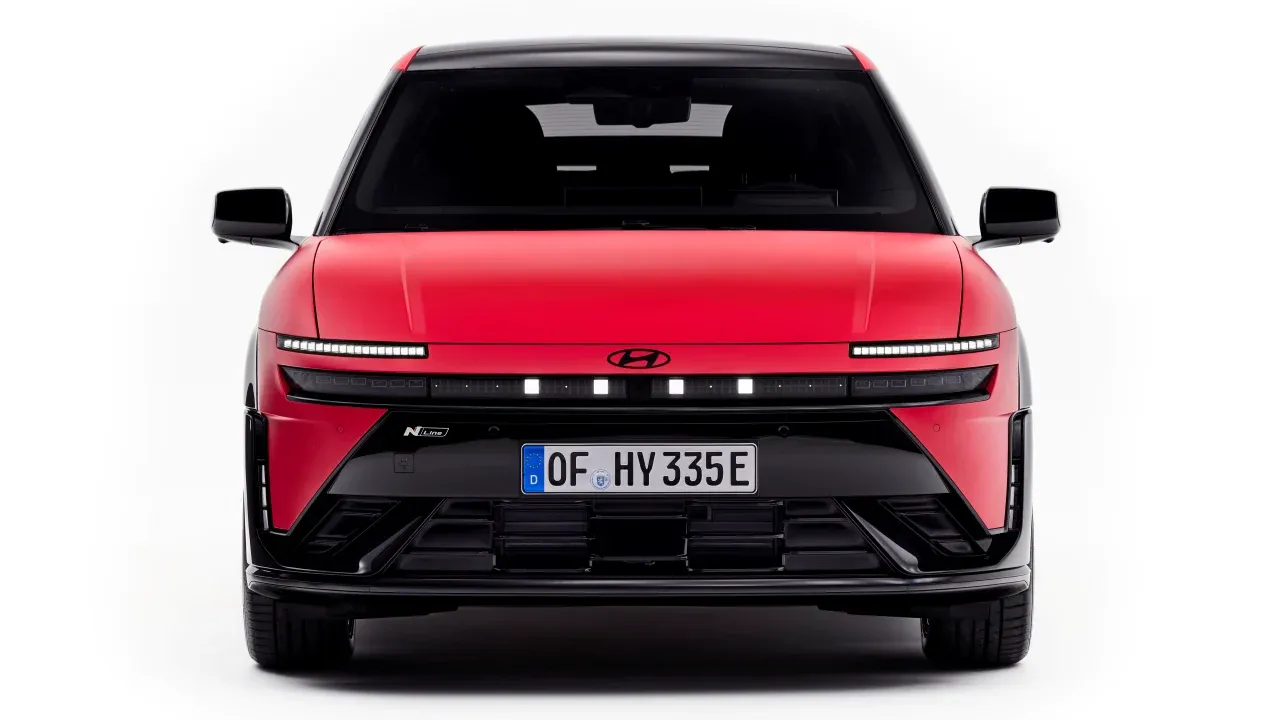
The first of these new models would be the future Ioniq 4, although Hyundai has not yet officially confirmed this name. According to Auto Express, it would be a B-segment SUV positioned above the Ioniq 3 with a much more conventional body style compared to the small five-door model.
The idea would be to opt for a more square and practical design, with a raised driving position and an interior that can make better use of the available space. In this way, Hyundai could offer its own alternative to models such as the Kia EV3, Renault 4, or the future Skoda Epiq, without relying solely on its current Kona Electric to cover this segment.
Indeed, the possible technical relationship with the Kia EV3 is one of the issues that raises the most doubts. When asked by Auto Express whether Hyundai’s future SUV would use a platform related to the Kia, Chris McKinnon, Hyundai’s product manager for Europe, avoided confirming the information and merely stated that it was an important segment for the brand and that attention should be paid to upcoming developments.
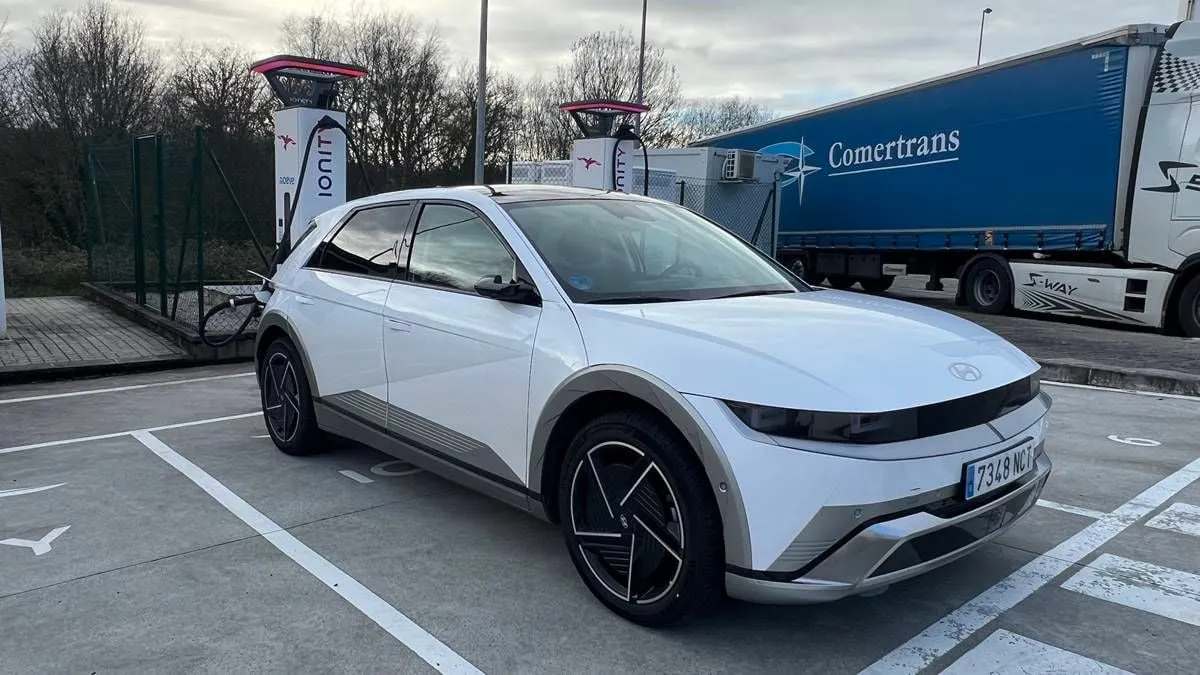
The British publication suggests that development could lead to a launch in 2027. It is also expected that the interior will draw heavily from solutions of the new Ioniq 3, including its more open and flexible layout and the Pleos multimedia system.
Regarding the technical aspects, there are still no official details. Auto Express suggests that the Ioniq 4 might use two battery capacities, 42 kWh and 61 kWh, along with an electric motor located at the front axle. It also mentions the possibility of later versions featuring two motors, though this remains speculative.
The second model would be considerably larger. Its position in the lineup would fall between the Ioniq 5 and the Ioniq 9, specifically one of the gaps Hyundai created when it decided to change the name of the model that was originally introduced as the Ioniq 7.
The future SUV might now reclaim that name and become a more affordable and compact alternative to the Ioniq 9. The British publication discusses a family-oriented model with a more square-shaped body than the Ioniq 5, offering either two rows of seats or even an occasional three-row configuration.
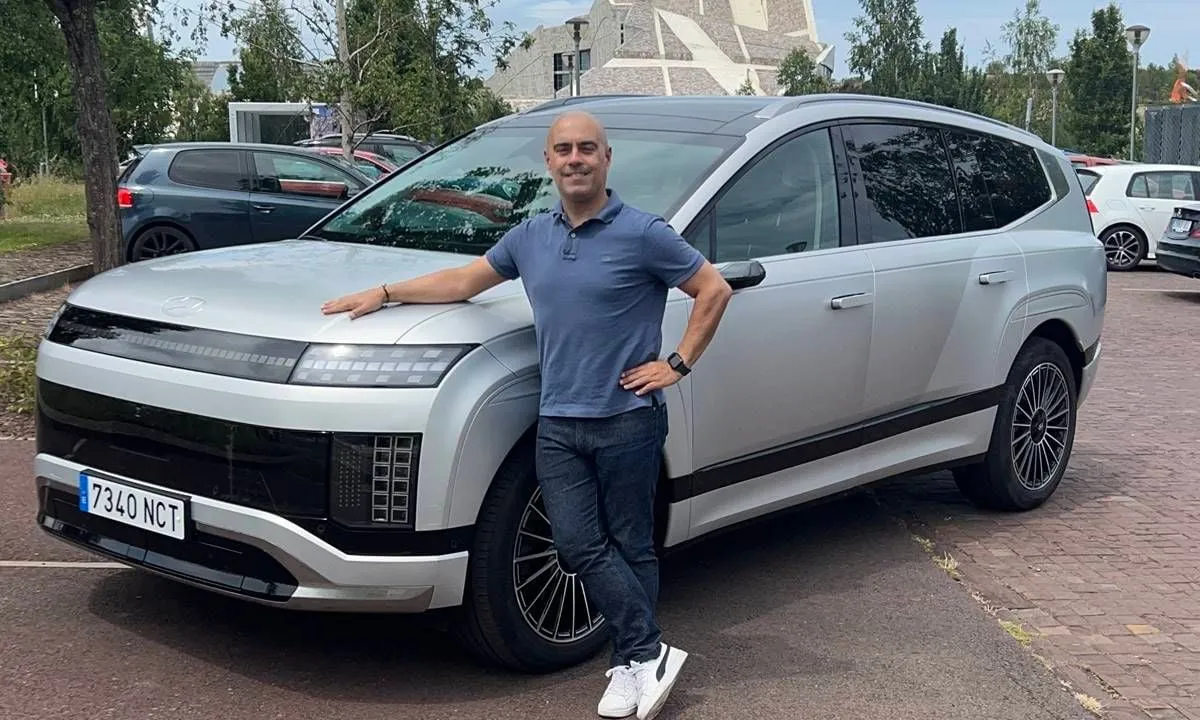
The technical expectations here are considerably higher. The future Ioniq 7 might adopt an 800-volt architecture, along with versions featuring one or two electric motors. Battery capacity and exact range figures are still unknown, so any specific details in this regard should be considered predictions for now rather than confirmed specifications.
Auto Express believes the model will need to achieve a range of over 640 kilometers to remain competitive once it hits the market. It also anticipates a new generation of exterior design and multimedia system, building on the design language introduced with the Ioniq 3 and the Pleos technology platform.
The introduction of these two models would allow Hyundai to fill a rather obvious gap in its lineup. Currently, the brand has the Ioniq 9 as its flagship electric SUV, while the Ioniq 5 occupies a mid-tier position. In contrast, the segment of compact and mid-size electric SUVs is much more developed within Kia, with models such as the EV3 and EV5.
It is not coincidental that Hyundai has recognized the need to strengthen its presence in these segments precisely now. In its latest product plan, the manufacturer announced new models for Europe, including a B-segment SUV, though it did not reveal its commercial name at the time.
Hyundai itself has also officially confirmed that it is preparing a global product offensive. The manufacturer plans to launch or refresh more than 100 models by 2030 and has specifically included a new B-segment SUV for Europe among its upcoming products. This official announcement is the main indication supporting the rumors about the future Ioniq 4, though it still does not confirm its final name.
A name Hyundai already had ready
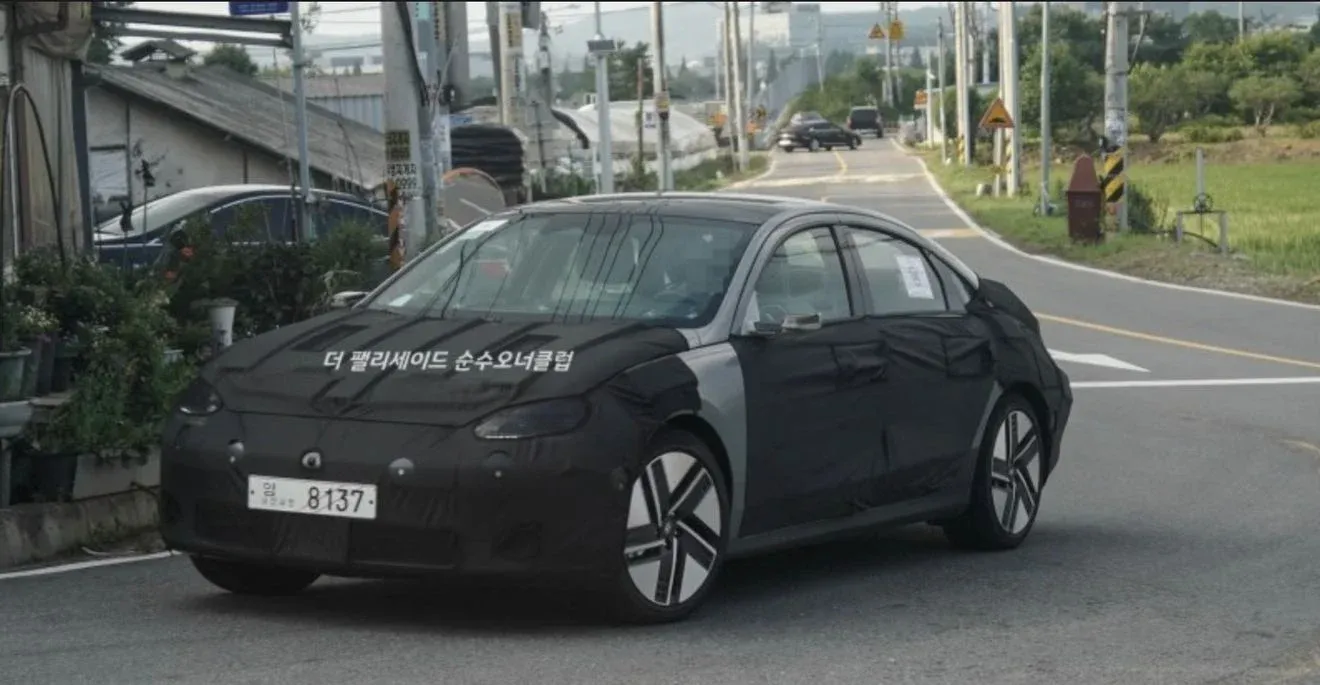
The history of the Ioniq 7 is particularly interesting because the name isn’t new. When Hyundai made Ioniq a specific brand for its electric cars in 2020, it initially announced a lineup consisting of the Ioniq 5, Ioniq 6, and Ioniq 7. The company also established a strategy where even numbers would denote sedans and odd numbers SUVs.
The first Ioniq was very different. Hyundai introduced the original model in 2016 as a car available with three propulsion systems: hybrid, plug-in hybrid, and electric. The name Ioniq comes from the combination of the English words “ion” and “unique.”
With the arrival of the Ioniq 5 and Ioniq 6, Hyundai transformed the name into a true brand within the company, dedicated exclusively to its electric vehicles. The initial plan also included a large SUV called Ioniq 7, which later became the Ioniq 9.
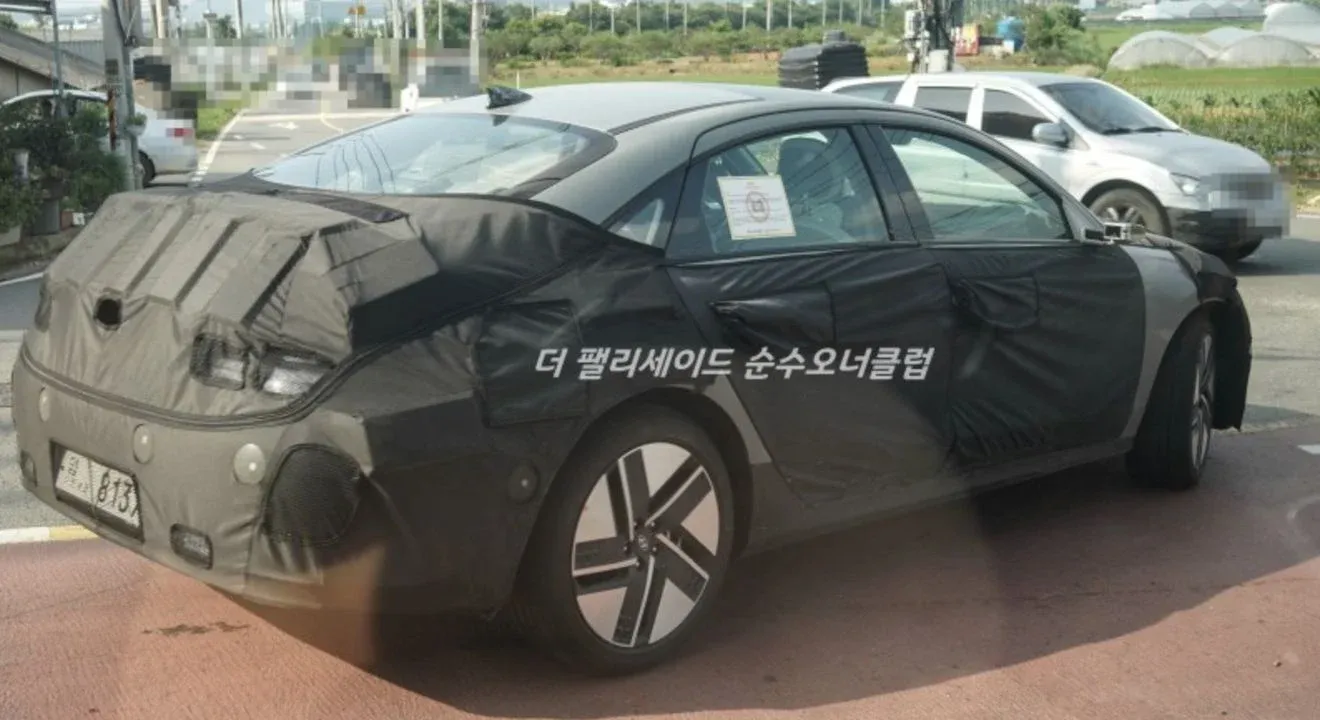
Therefore, the possible arrival of a mid-size Ioniq 7 would not really mean reviving a discarded project, but rather reusing a name that became available after the name change of the large seven-seater SUV. Hyundai even showed official references to the Ioniq 7 as a future model in the series for years.
Today, the official Ioniq lineup in Spain consists of the Ioniq 3, Ioniq 5, Ioniq 6, and Ioniq 9, along with their respective high-performance versions.
Hyundai’s strategy therefore seems quite clear: expand the Ioniq range downward with a compact SUV and upward into the mid-size segment with another family-oriented model, keeping the Ioniq 9 as the top-tier model in the lineup. The big question is how much of what Auto Express has reported will actually make it into production vehicles.
For now, neither the Ioniq 4 nor the Ioniq 7 has been officially confirmed under those names, so battery capacity, range, engines, prices, and specific release dates could still change. What is confirmed is that Hyundai is developing new electric SUVs for Europe and aims to strengthen its presence in segments where it currently has significant gaps.
Regarding prices, the initial estimates published in the UK place the future Ioniq 4 at around £25,000 (€29,200), while the Ioniq 7 could range from £45,000 to £50,000 (€52,500 to €58,300). These are approximate figures specific to the British market and should not be interpreted as prices in Spain. For context, the current Ioniq 3 starts at €28,950 in Germany.
