
Hyundai aims for 35 percent share of electric vehicles in Germany
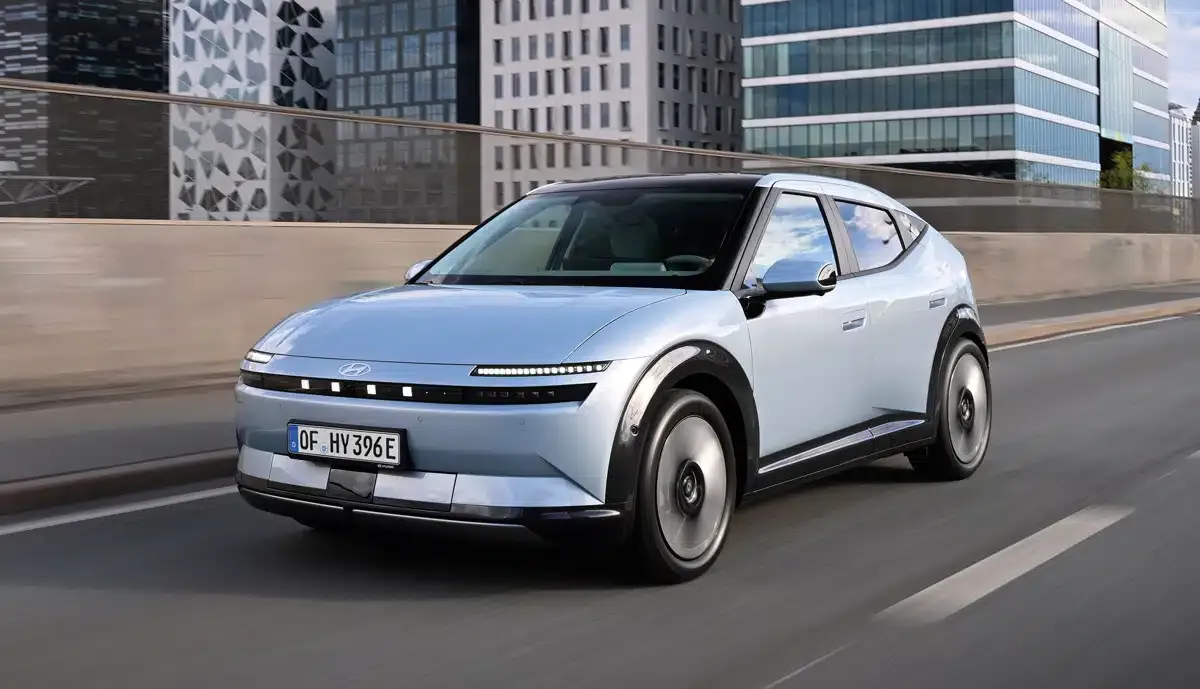
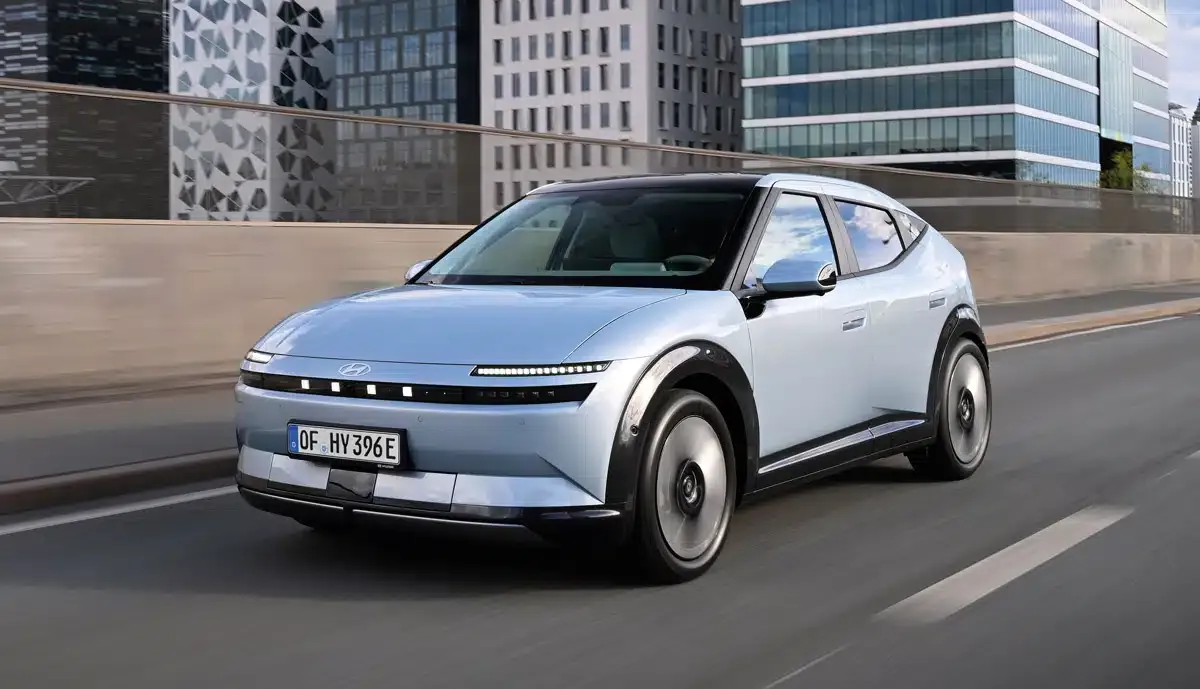
Image: Hyundai
Hyundai Germany’s head, Andreas Zürnstein, aims for 35 percent of new car registrations to be electric vehicles by the end of the year. Currently, the share of battery electric vehicles (BEVs) is over 31 percent, he told Electrified magazine in October. This development is supported by an attractive and wide range of options, as well as rising fuel prices and government incentives.
"When price, range, and value align, significantly more customers choose an electric car," says Zürnstein. With the compact Ioniq 3, Hyundai is adding another electric vehicle to its portfolio. The new model was developed in Germany and is aimed at European customers. It offers a long range, plenty of space, modern connectivity, and an entry price of under 30,000 euros, claims the regional manager.
With this, Hyundai now offers a choice of two electric vehicles in the price range under 30,000 euros. The Inster model has already established itself in the segment of small electric cars. This compact vehicle has been on the market for about one and a half years and is among the five models in Germany with the highest number of subsidy applications. The Ioniq 3 is intended to complement this lineup and reach different customer groups to boost sales figures.
South Korea’s current electric vehicle lineup also includes models such as the Kona Electric, Ioniq 5, Ioniq 6, Ioniq 9, and Staria Electric. Zürnstein sees this strategy confirmed by the consistent share of the market remaining above the overall market average. He expects further momentum in the market as demand for electric vehicles has been rising steadily since spring.
Zürnstein cites rising gasoline and diesel prices as factors driving customer interest alongside incentives. With gasoline prices around 2.30 euros per liter, a electricity price of about 35 cents per kilowatt hour becomes more significant. Additionally, increased range and more convenient charging are considered crucial for purchase decisions.
In response to competition from Chinese manufacturers, Hyundai avoids short-term discount strategies. According to the company’s Germany manager, Hyundai does not intend to engage in price wars that could threaten residual values, dealer profitability, and customer trust. Instead, Hyundai focuses on a package of quality, technology, value for money, and its existing service network.
Have you found any errors? Please let us know
by email
about them. Thank you!
Also interesting
About the Author
Thomas Langenbucher is an expert in electromobility with professional experience in the automotive industry and finance sector. Since 2011, he has been covering electric vehicles, sustainable technologies, and mobility solutions for ecomento.de. Learn more.
Reader Interactions