
Hyundai Mobis commences operation of electric powertrain plant in Slovakia
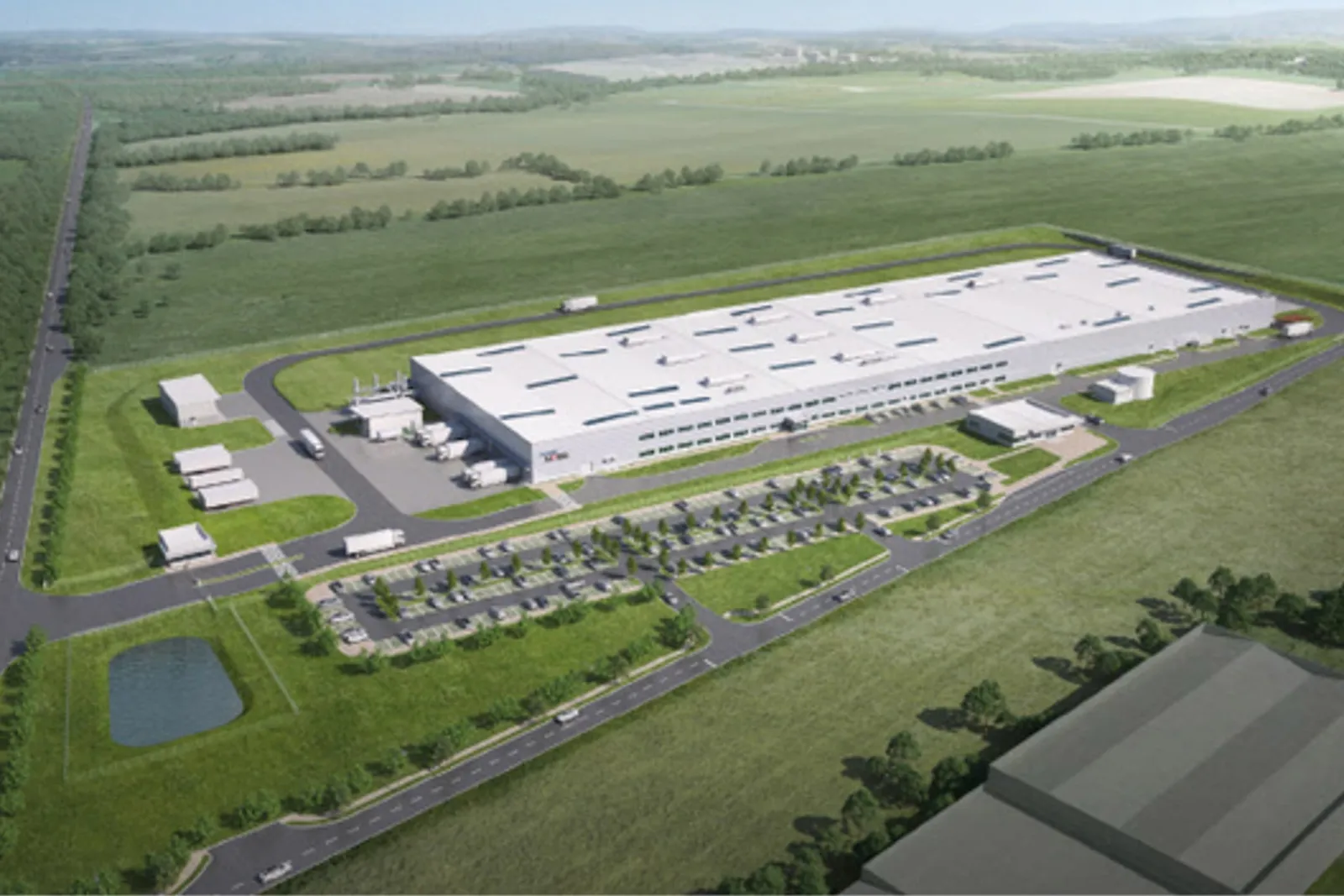
Hyundai Mobis has opened its first European plant for electric drive systems in Slovakia. Up to 280,000 units can be produced annually at Novaky.
The South Korean auto parts supplier Hyundai Mobis has started mass production of electric drive systems in Novaky, Slovakia. According to the company, this is its first European facility for what it calls PE systems (Power Electric Systems). These systems integrate an electric motor, inverter, and reduction gearbox into a single drive unit.
The new facility includes production lines for stators, which are a key component of electric motors, as well as for inverters and other components. Hyundai Mobis estimates the maximum annual capacity at 280,000 PE systems. The supplier does not disclose the actual production volume at launch or when full capacity will be achieved. According to Hyundai Mobis, it has invested around 250 billion won (approximately 158 million euros) in the production capacity at Novaky. The site covers about 106,000 square meters, with the total floor area of the facility amounting to 8,500 square meters.
A change is noticeable compared to the original announcement. When Hyundai Mobis revealed the investment agreement with the Slovak government in October 2024, it still planned an annual capacity of 300,000 PE systems. Now, the company states that the opening capacity will be up to 280,000 units. The investment amount for the drive manufacturing remains at 250 billion won, in line with the original plan. Hyundai Mobis does not explain why the planned capacity is now lower.
Hyundai Mobis Expands Its Own Electric Drive Business
The launch comes at a time when Hyundai Mobis is expanding its range of proprietary electric drive systems. In May, the supplier introduced a 160 kW system to complement its existing 250 kW solution. A further 120 kW electric drive for smaller vehicles is set to follow. According to the company, this approach aims to cover various vehicle classes with more standardized and modular drives. These PE systems are not intended solely for Hyundai Motor Group brands. Hyundai Mobis is focusing on acquiring third-party customers and is now developing its drives as standardized products rather than customizing them solely for individual manufacturers. However, the current announcement does not specify which of the announced 120 kW, 160 kW, or 250 kW systems will be produced in Novaky.
Hyundai Mobis remains vague about specific customers. The plant is supposed to supply both Hyundai Motor and Kia as well as other automakers. Group CEO Lee Gyu Suk refers to “strategically important models of global automakers” without naming any specific manufacturers, models, or agreed production volumes. Consequently, it is still impossible to determine how much of the 280,000-unit capacity is already occupied by actual orders.
For Hyundai Mobis, production in Slovakia is not new in itself. The supplier already operates a facility in Zilina near the local Kia plant, where it manufactures components such as braking systems and airbags. However, Novaky is the first European Hyundai-Mobis plant for PE systems. Even before construction began, parts of the supply chain were prepared: Hyundai Mobis had ordered motor cores from Posco, some of which are intended for use in manufacturing drives in Slovakia.
According to Hyundai Mobis, the addition of Novaky brings the total number of its facilities for manufacturing electrification components in Europe to three. Battery system assemblies are already being produced in the Czech Republic, and the company is also establishing production capacity there. These facilities are intended to assemble battery systems for Volkswagen Group vehicles, among others. With Novaky, Hyundai Mobis is expanding its European eMobility component production from battery systems to complete electric powertrains.
Slovakia offers a well-established industry for this purpose. In addition to Kia, companies such as Volkswagen and Stellantis operate vehicle factories there, while Volvo Cars is building a new plant in Kosice. For Hyundai Mobis, local production can enable shorter supply routes to European vehicle factories. Whether this will actually result in additional orders from the manufacturers present there remains unknown for now. What is clear is that this expansion aligns with Hyundai Mobis’ goal of becoming independent from its operations within the Hyundai Motor Group. By 2033, 40 percent of sales are intended to come from global customers. With European production, the supplier is creating additional capacity for this purpose.