
Hyundai Ioniq V available in China. Weaker, slower, and cheaper than the Hyundai Ioniq 5. Just an electric Elantra.
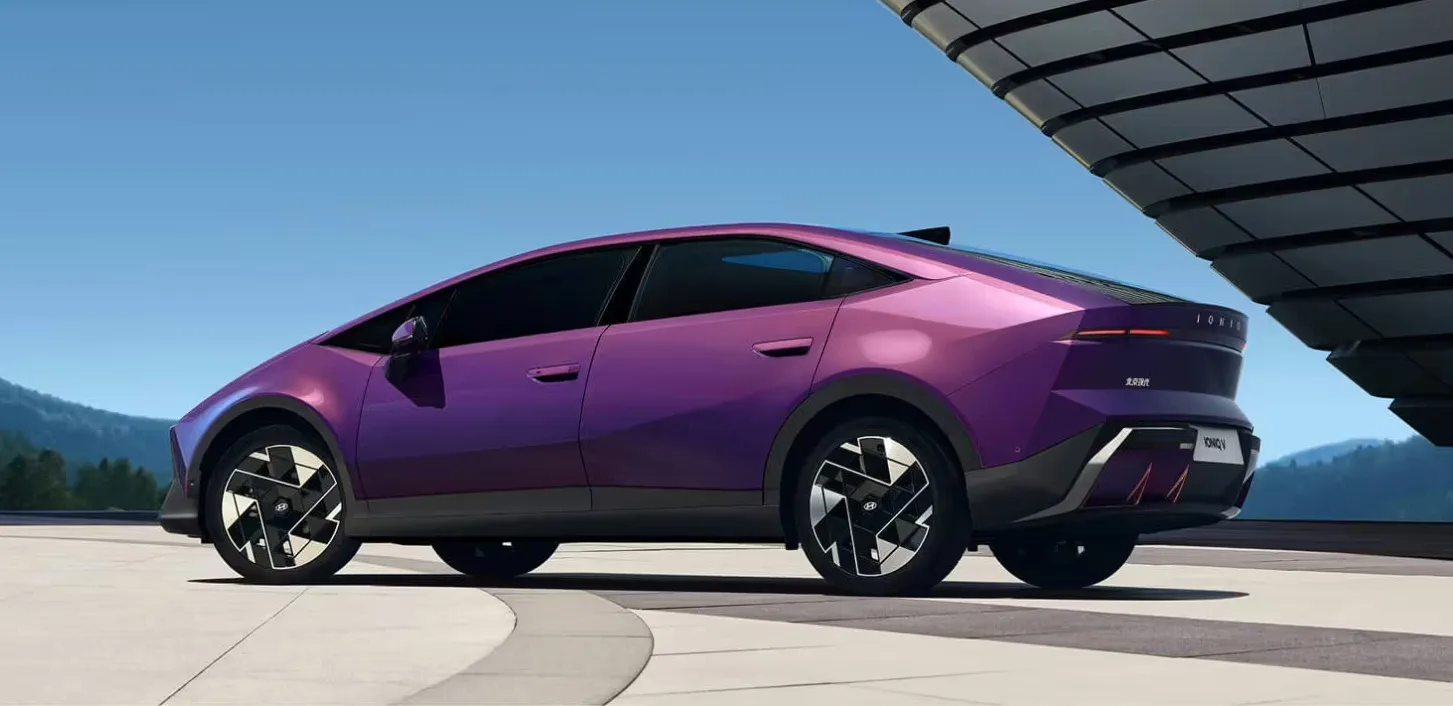
The Hyundai Ioniq V has arrived in the Chinese market. Its front end resembles neither a Lamborghini nor a Cybercab, and its dimensions are quite reasonable (4.9 meters long with a wheelbase of 2.9 meters), but the rear end, reminiscent of the Elantra, suggests that sports performance is not something to expect from this model. This is exactly the right clue: the most powerful version delivers only 168 kW/228 hp. Nevertheless, the pre-sale price of the Hyundai Ioniq V starts at 99,900 yuan, equivalent to 57,300 Polish zlotys. Even using the exchange rate applied by Polish distributors (1:~1.2), it would amount to 119,900 zlotys.
Hyundai Ioniq V, the Xiaomi equivalent of Redmi?
The Hyundai Ioniq V is unusual in many ways. Its appearance-to-power ratio stands out, as the manufacturer offers only one of two powertrain options: 140 kW/190 hp or the aforementioned 168 kW/228 hp, with both driving the front wheels. The engines work alongside LFP batteries with capacities of 53.48 (~52) or 66.85 (~65) kWh, respectively (source). These provide a range of 540 or 650 CLTC units, which in Europe would equate to around 420 or around 510 WLTP units.
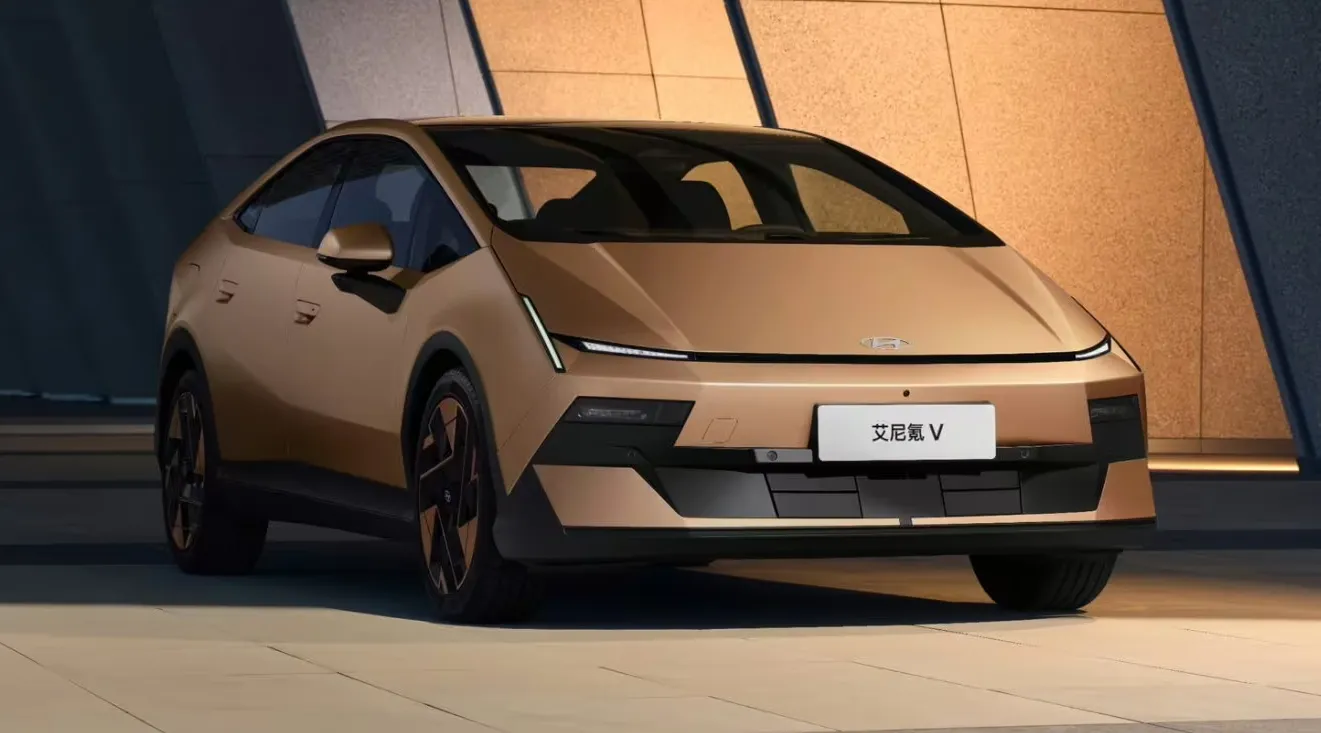
For a vehicle with significantly cut costs in its battery-powered system, its architecture is quite unusual, as it uses the “full” E-GMP 800 V platform. In Europe, the most affordable models rely on the cheaper E-GMP 400 V — and the term “cheaper” comes directly from Hyundai Motor Group representatives. Nevertheless, prices for the Hyundai Ioniq V start at 99,900 yuan (Hyundai Ioniq V 540 Pro) and go up to 139,900 yuan (80,200 zł; Hyundai Ioniq V 650 Max) for the most fully equipped versions.
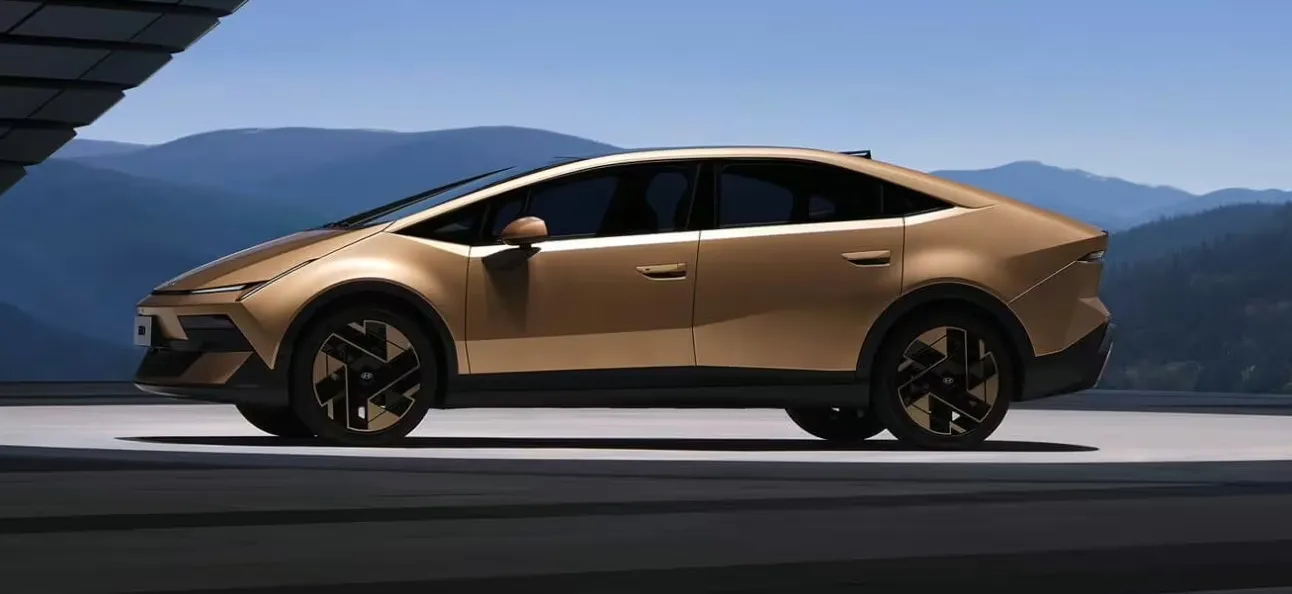
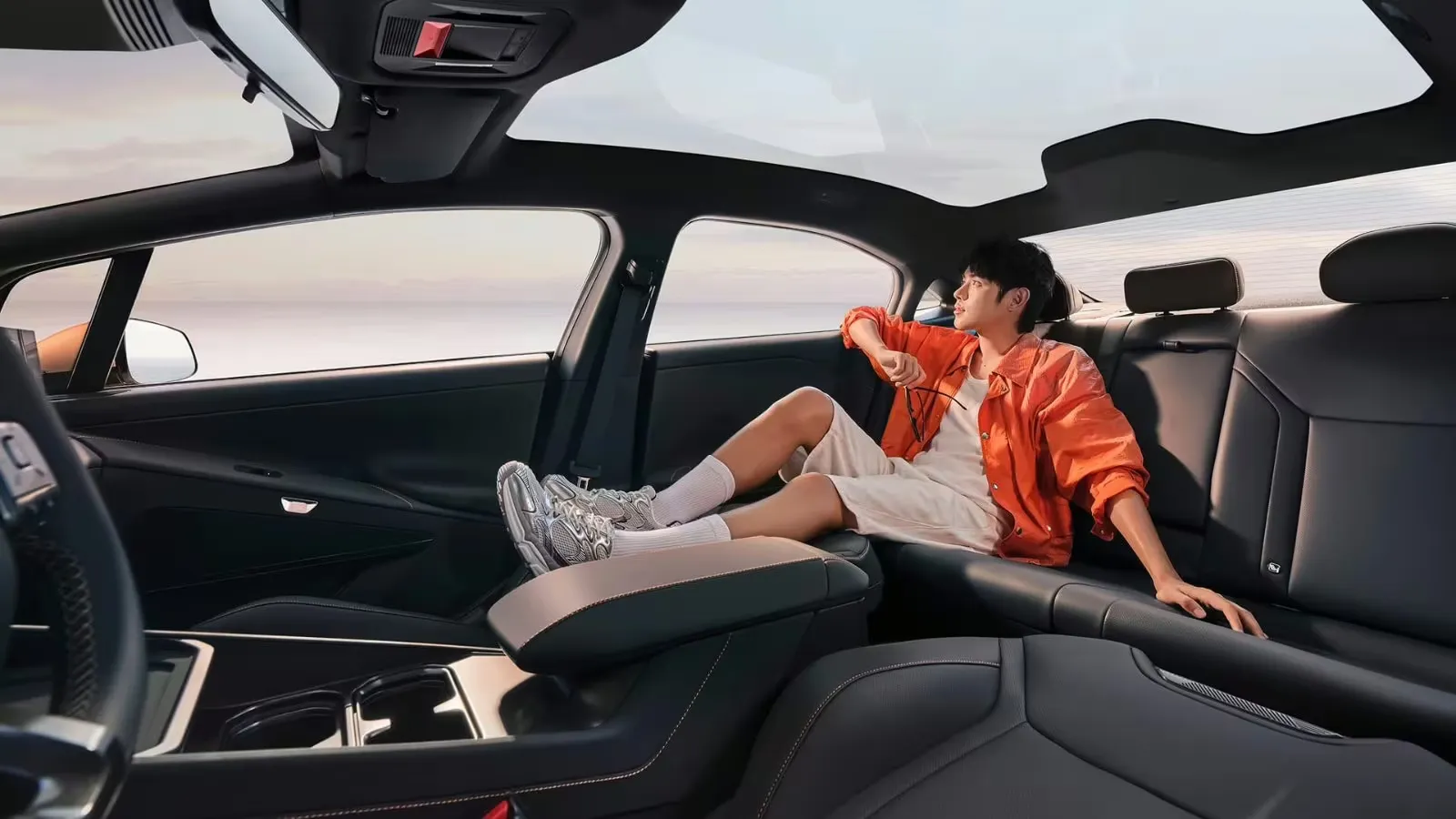
But that’s not all the uniqueness ends at: the Ioniq V is the first model developed in a R&D center in China rather than being created in South Korea and adapted for the Chinese market. Moreover, there are indications that cars designed in China might start making their way into the global market. Inside, we find a 27-inch central screen positioned, surprisingly, toward the passenger side. In higher trims, there’s a heads-up display (HUD) and autopilot technology from the Chinese company Momenta.
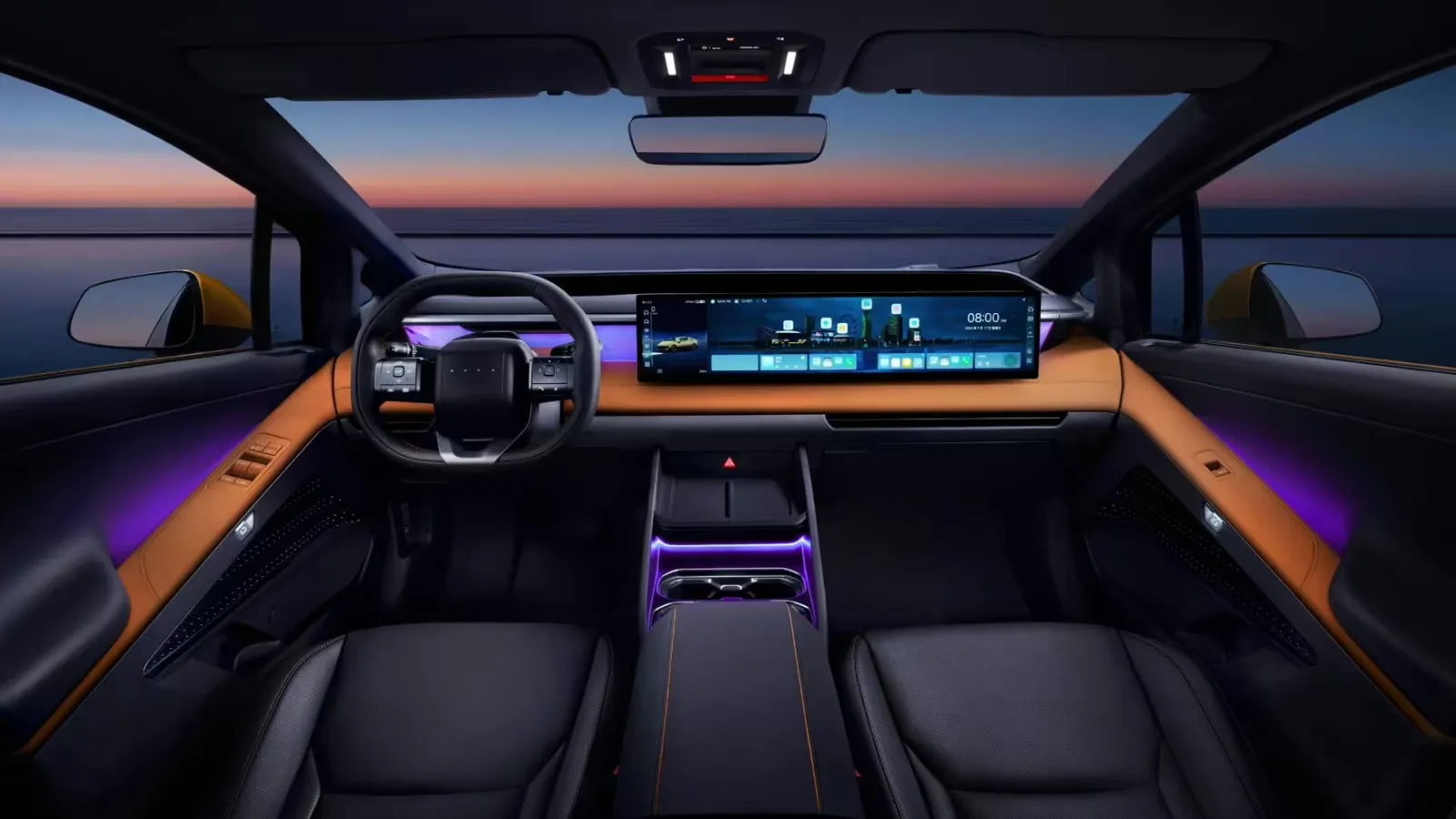
Each of the four passengers can issue their own voice commands, and the AI-powered assistant is also capable of maintaining a continuous conversation. Hyundai expects to sell a total of 500,000 vehicles in China by 2030.
Article Rating
Reader Ratings
[Total: 3 votes Average: 5]
Don’t miss new content — CLICK and FOLLOW Elektrowoz.pl on Google News. You might also be interested in the following ads: