
Hyundai AllDayEnergy – the new name for Hyundai and Kia brand features and services related to V1G, V2G, and V2H
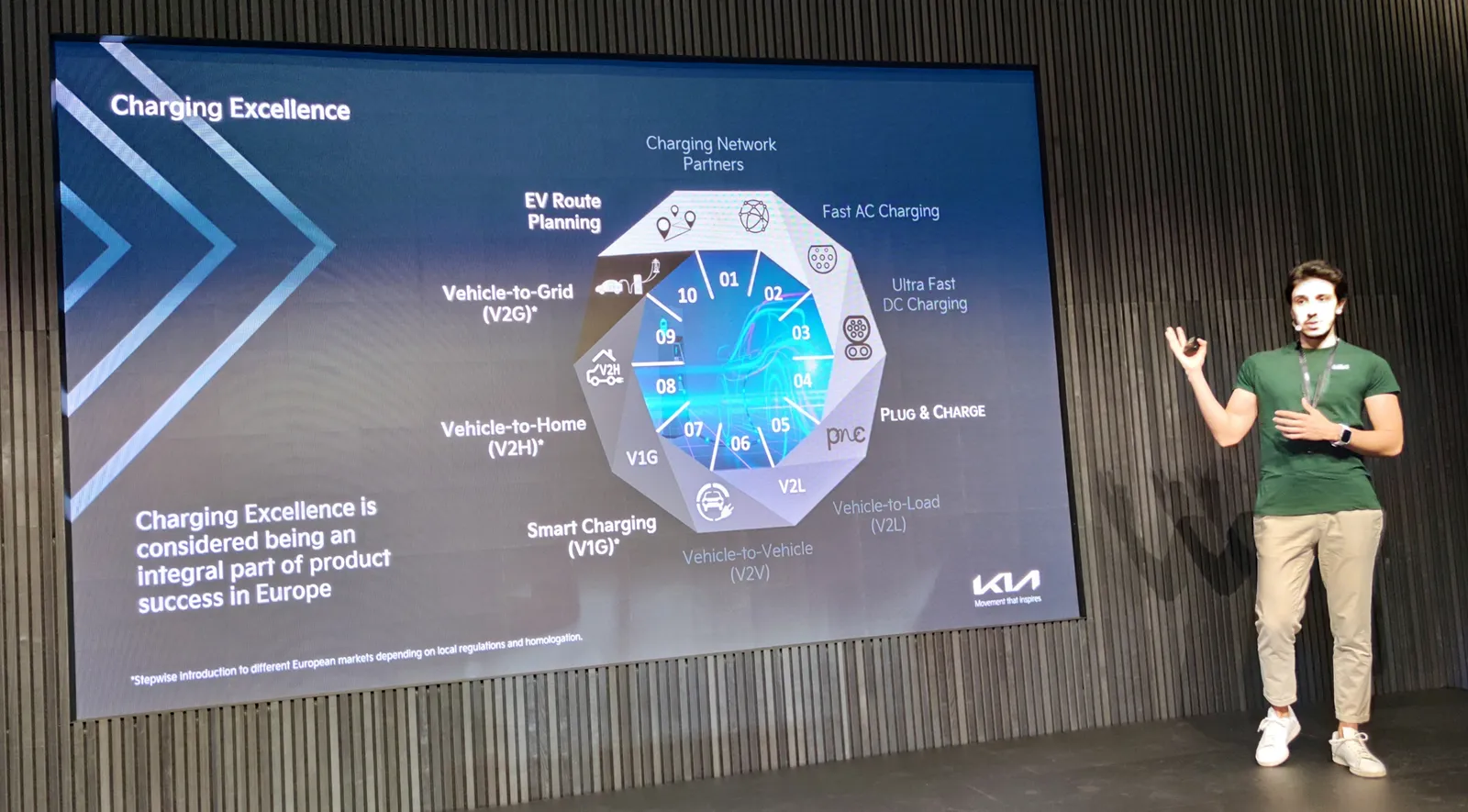
Hyundai has created the AllDayEnergy brand, under which solutions and services related to vehicle charging based on grid load (V1G), two-way energy flow (V2G), or powering homes directly from vehicle batteries (V2H) will be offered alongside Hyundai and Kia vehicles, without relying on an external power grid. The AllDayEnergy brand is intended to operate worldwide, with the availability of its services indicated through a mobile app.
AllDayEnergy. It’s a umbrella brand; now we need legislation and cooperation from energy providers.
With engineers at Hyudai Motor Group, it’s common for them to identify technological needs before the rest of the world does, recognizing that comprehensive solutions are required in a particular field. This was the case with the 800 V architecture—Hyundai developed it through collaboration with Rimaki and implemented it in the E-GMP platform, while other manufacturers were painstakingly arranging battery cells to stay within the 320 to 400 volt range. The joint brand AllDayEnergy for various services may not be an engineering solution—since such features already exist in Hyundai and Kia vehicles—but it helps people understand the direction we should be moving forward.
AllDayEnergy is an umbrella term for all V2X services. The first step will be to make V1G available at KiAs in the United Kingdom in the second half of 2026. V1G, or smart charging, involves replenishing an electric vehicle’s energy to take into account potential sources of generation (such as excess solar energy), grid load, the most favorable financial conditions, or the car owner’s needs. V1G can be implemented from within the vehicle, but it makes more sense to place all the “intelligence” in a wall-mounted charging station.
In subsequent stages, activating V2G and V2H services is planned. Hyundai mentions them in this order, although V2H seems to be an easier option to implement, as it requires “only” an intelligent wallbox or possibly an energy storage system to power the home when the car is disconnected. V2G will be the most challenging, as it necessitates cooperation with energy suppliers. Some see opportunities in V2X technologies (such as the British Octopus), while others show no interest at all (like Polish companies). Fortunately, the European Commission is beginning to drive this initiative forward.
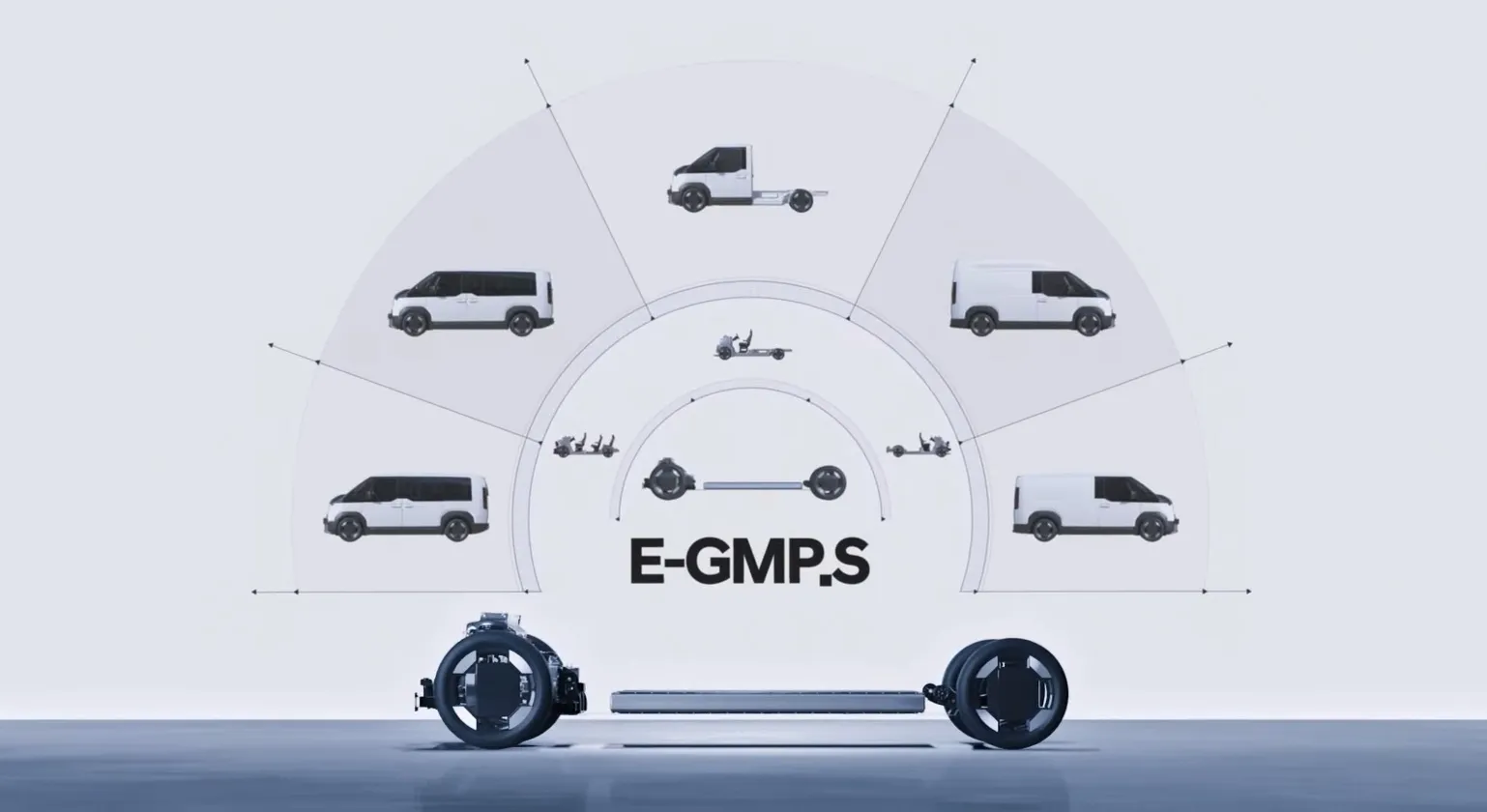
All new Hyundai and Kia vehicles on the E-GMP (800 V, 400 V) and E-GMP.S (400 V) platforms are ready to support V2X.
Article Rating
Readers' Ratings
[Total: 3 votes Average: 5]
Don’t miss new content — CLICK and FOLLOW Elektrowoz.pl on Google News. You might also be interested in the following ads: