
Hydrovolt will now recycle Iceland’s electric car batteries
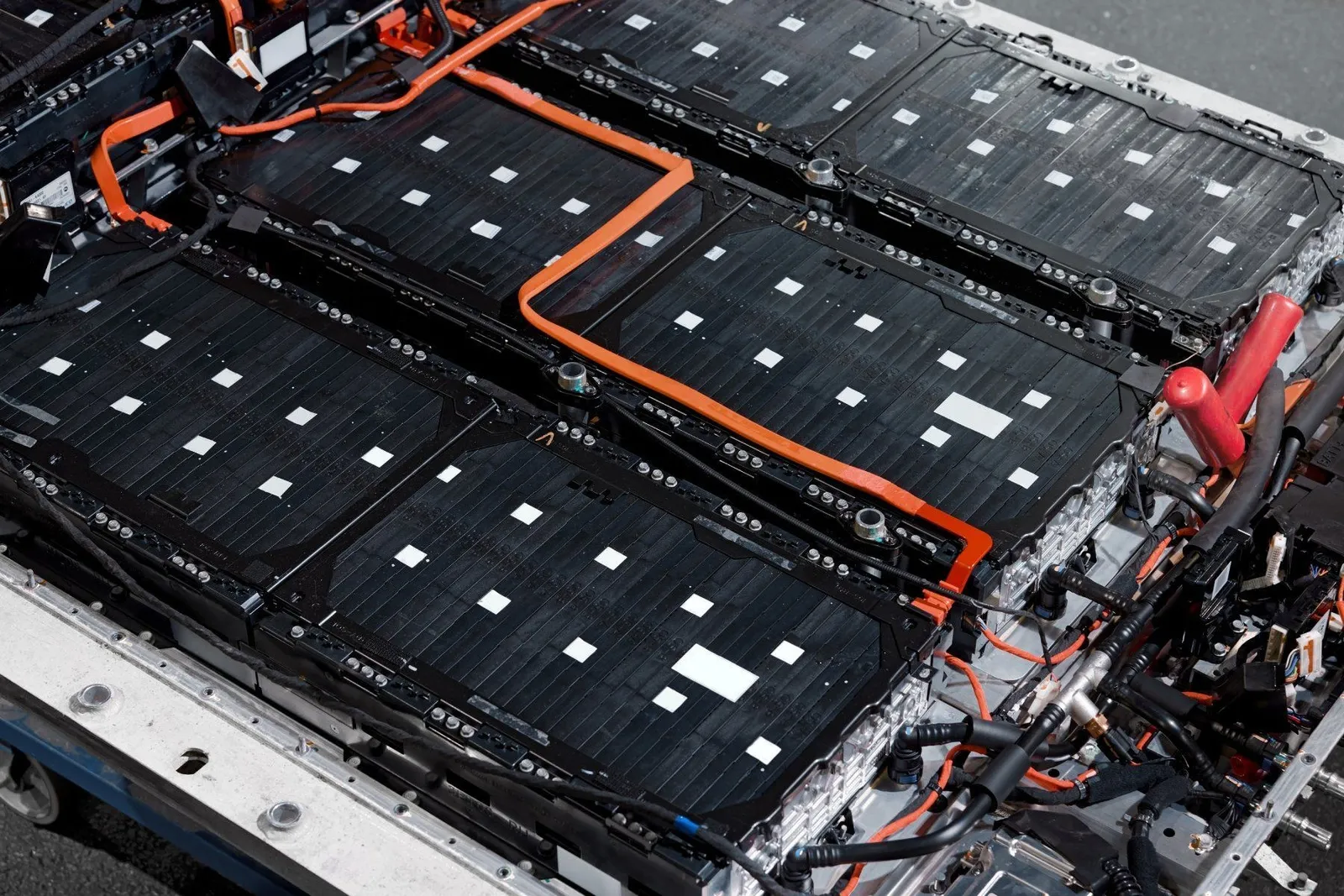
Norwegian battery recycler Hydrovolt has signed a cooperation agreement with Iceland’s recycling fund IRF. Under this deal, Hydrovolt plans to collect used batteries from electric vehicles and industrial applications in Iceland, transport them to Norway, and recycle them at its facility in Fredrikstad. The company frames this move as part of its Nordic strategy to ensure no batteries are left unused in the region.
The IRF implements extended producer responsibility in Iceland. The principle is simple: those who bring products such as batteries to market are also responsible for ensuring they are properly collected and recycled at the end of their lifespan. The fund manages the recycling fees required under Icelandic law and distributes them accordingly. Battery packs for electric vehicles fall explicitly under this regulation.
The demand is growing. According to a press release, 17 percent of Iceland’s car fleet currently consists of electric vehicles and plug-in hybrids. For new cars, Hydrovolt reports an electric vehicle share of nearly 80 percent. However, this figure includes hybrids as well. According to data from Iceland’s automobile club FÍB, reported by Iceland Review in September 2025, nearly one-third of new cars at that time were pure electric vehicles, 21 percent were plug-in hybrids, and 24 percent were hybrids. Old batteries will now be recycled in Norway. “As the amount of batteries continues to rise, appropriate recycling solutions must be available,” says Íris Gunnarsdóttir, who is in charge of electric waste and batteries at IRF. In collaboration with Hydrovolt, they aim to establish an efficient and responsible system for old batteries to recover valuable raw materials.
From Battery Packs to Black Mass
Hydrovolt provides battery importers with a complete package: testing to determine whether a battery can have a second life, collection, transportation, and recycling. For Iceland, this means that used batteries are shipped across the North Atlantic to Fredrikstad, south of Oslo. “Through our logistics network and recycling process, we ensure that critical raw materials are recovered from batteries at high rates,” says Hans Bjerkaas, Chief Commercial and Development Officer at Hydrovolt.
The facility in Fredrikstad has been operational since May 2022 and is, according to the company, the largest battery recycling plant in the north. It is designed to process 12,000 tons of battery packs per year, which corresponds to batteries from 25,000 to 30,000 cars.
Hydrovolt operates mechanically and in a dry environment: The packs are unloaded, disassembled, and shredded. Aluminum, copper, and plastics can be separated directly during this process. What remains is the so-called black mass, a fine powder containing lithium, nickel, cobalt, and manganese. These metals are extracted in a second chemical step. For this purpose, Hydrovolt works with partners. For example, the company established a partnership with Fortum around 2024, which processes the black mass in its hydrometallurgical plant in Harjavalta, Finland. Hydrovolt claims an overall recycling rate of nearly 100 percent.
Without Northvolt
Hydrovolt is licensed as a treatment facility in Norway, Sweden, and Denmark, assisting manufacturers and importers in fulfilling their obligations under manufacturer responsibility. The two neighboring markets are still new: Hydrovolt entered Sweden in February 2026 and Denmark in September of the same year alongside partner KABoB. Iceland is the next step. As early as 2024, the company expanded its plans beyond Scandinavia and decided to expand into Hordain in northern France, initially as a collection and dismantling site.
Hydrovolt was founded in 2020 as a joint venture between the aluminum company Norsk Hydro and the Swedish battery manufacturer Northvolt. Northvolt withdrew its financial support in November 2024; since the second half of 2024, Hydro has been operating the recycling company alone. In January 2025, both parties agreed that Hydro would acquire the remaining shares for 78 million Norwegian kroner (approximately 6.7 million euros), increasing its stake from 72% to 100%. The completion was scheduled for the end of the first quarter of 2025 and depended, among other things, on court approval in Northvolt’s U.S. bankruptcy proceedings. Northvolt itself filed for bankruptcy in Sweden in March 2025 as well.
hydrovolt.com (Hydrovolt press release), hydrovolt.com (Hydrovolt newsroom), hydro.com (Hydro press release), euwid-recycling.de (Report on Hydro acquisition, including exchange rate), de.wikipedia.org (Northvolt), icelandreview.com (New vehicle registrations in Iceland)