
Excluding the CEE bonus, the new Dacia Spring starts at 17,900 euros.
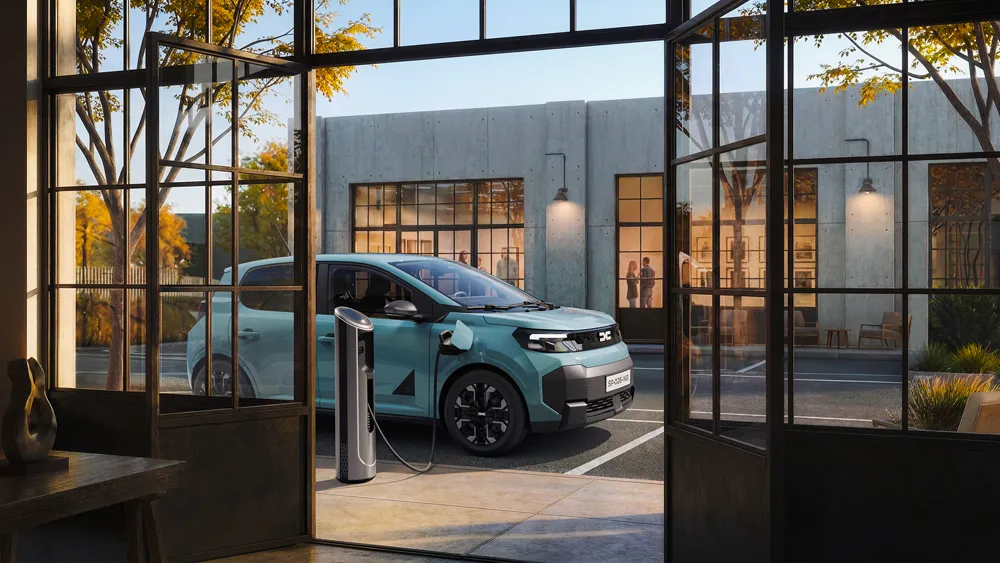
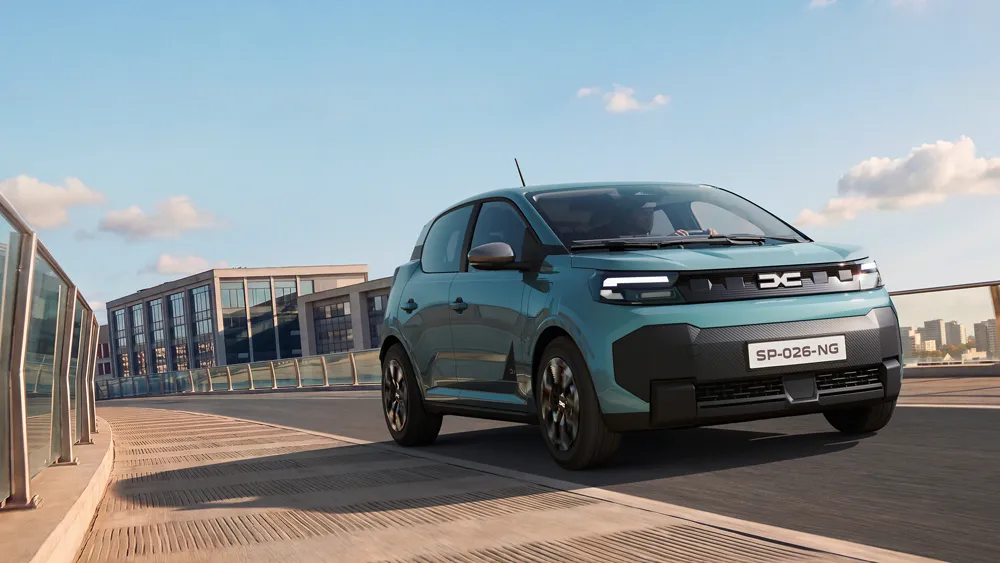
The new generation of the electric city car, Dacia Spring, manufactured in Novo Mesto, Slovenia, is now available for ordering in France.
Consider charging needs carefully
Equipped with a LFP (lithium iron phosphate) battery offering 27.5 kWh of usable energy, the new Dacia Spring boasts a range of up to 250 km in mixed conditions. With a torque of 175 Nm, it powers an engine that delivers 60 kW (80 hp) of power. Being both agile and efficient, it can accelerate from 0 to 100 km/h in 12.1 seconds before reaching its top speed of 130 km/h.
Standardly, it comes with a 6.6 kW AC charger that allows the 15 kWh lithium battery pack to be regenerated from 15% to 80% in 9 hours using a standard household outlet. With an upgraded model, this time can be reduced to 5 hours and 40 minutes, or even 2 hours and 55 minutes with a 7 kW wallbox.
This may be sufficient for those who can charge at home or at work and who never need to travel long distances with this car. However, be aware that the savings from buying a new vehicle will be offset when selling it as used. This version indeed won’t suit those who don’t have the ability to charge an electric vehicle at home and/or those who want to go beyond short-distance trips.
This is why it’s better to choose the optional package (+500 euros), which not only includes an 11 kW AC charger that can charge the battery from 15% to 80% in 1 hour and 55 minutes, but also fast DC charging at 50 kW. With this option, it will take only 28 minutes to restore the same battery level. Note that this package is available only on the top-tier Journey trim, not on the Expression.
A much better seat than the first generation
It may not be obvious from the outside, but inside, for those familiar with both models, the new Dacia Spring clearly was developed based on the new Renault Twingo E-Tech (new RGEV small platform).
The dimensions are slightly different, with 6 cm more in length (3.85 m for the Spring compared to 3.79 m for the Twingo) and 2 cm more in width (1.74/1.72 m), along with 3 cm more in height (1.52/1.49 m). It is especially with the first generation of Spring that the new version has seen significant improvements: +15 cm in length and +18 cm in width.
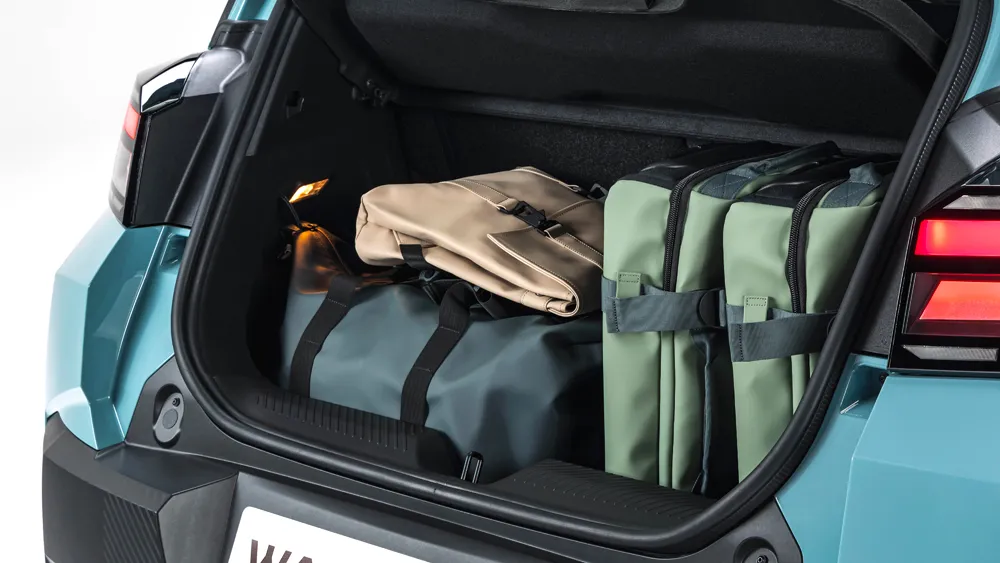
This results in a less fragile appearance, better handling on highways, and a curb weight of 1,212 kg (less than one ton compared to the old Spring). It remains a four-seater city car with a trunk capacity of 337 liters without the luggage cover, which can expand to 1,283 liters by folding down the rear seat.
These improvements do not stop Dacia from aiming for its new Spring to secure a strong position among the most affordable electric cars on the market. Being more attractive and manufactured in Europe, it is logical to expect it to sell even better than the first Spring, which has been sold worldwide in over 210,000 units since 2021. The new model is the first of four electric cars the brand plans to launch by 2030.
"Simple, intuitive, and functional design"
According to data collected by the manufacturer, "customers of the first-generation Dacia Spring use their car mainly for commuting, covering an average of 34 km per day at a speed of 34 km/h. In 75% of cases, the car is charged at home."
The new Spring aims to continue serving drivers on their daily commutes and for nearby leisure activities. It does this by adopting a dress code that better aligns with the brand’s other models: “In true Dacia tradition, the new Spring focuses on essentials while maintaining a strong personality. Its highly geometric and structured design features simple, clear, and functional lines, free from anything unnecessary.”
The same approach was taken for the interior design. Drivers will have access to a customizable 7-inch digital instrument cluster and a 10.1-inch touchscreen for multimedia functions.
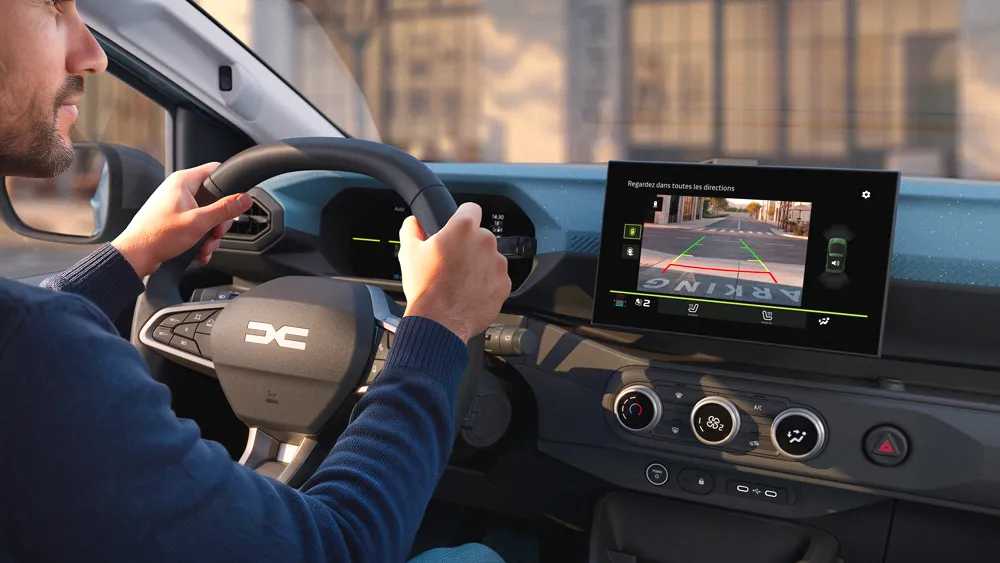
In the top-tier Journey version, it is powered by the Media Nav Live system, which is wirelessly compatible with Apple CarPlay and Android Auto. Over an eight-year period, the screen will support connected navigation that “takes into account real-time traffic conditions and always-up-to-date European maps.”
Starting at 17,900 euros inclusive of VAT, excluding the subsidy
The new Dacia Spring comes in two trim levels: Expression and Journey, starting at 17,900 euros and 19,400 euros inclusive of VAT respectively. Thanks to its European manufacturing, this model is eligible for a subsidy that reduces these prices by 3,620 to 6,180 euros depending on the buyer’s tax situation.
The new Spring is available in four colors: agave, slate gray, star black, and glacier white. It features a black strip that separates the roof from the body of the car. Requesting a different design than the standard one will cost 550 euros.
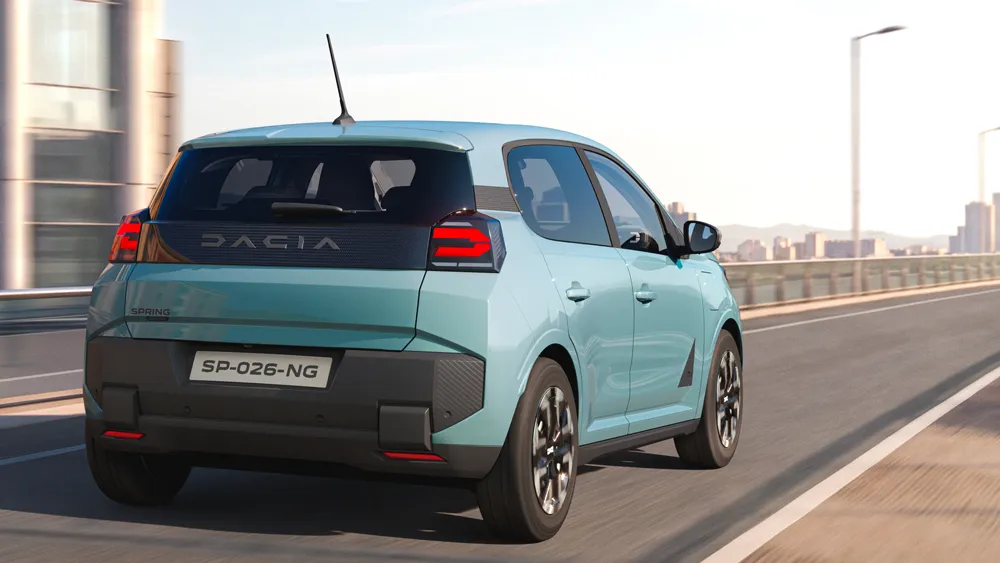
Do you want a home charging cable? That will add 300 euros. An 18-liter frunk compartment for it: +150 euros. Remember that the package offering improved charging performance will cost 500 euros and is only available on the higher-end version.
Note that it supports the V2L function, which allows connecting a variety of electrical devices — from coffee makers to e-bike chargers, as well as camp lighting and power tools. Everyone can be creative here!
Still on the higher trim level, there’s the option to add heated front seats for 250 euros.