
Hongqi EHS7, the first car with perovskites on its roof. Weak performance, charging probably doesn’t even work
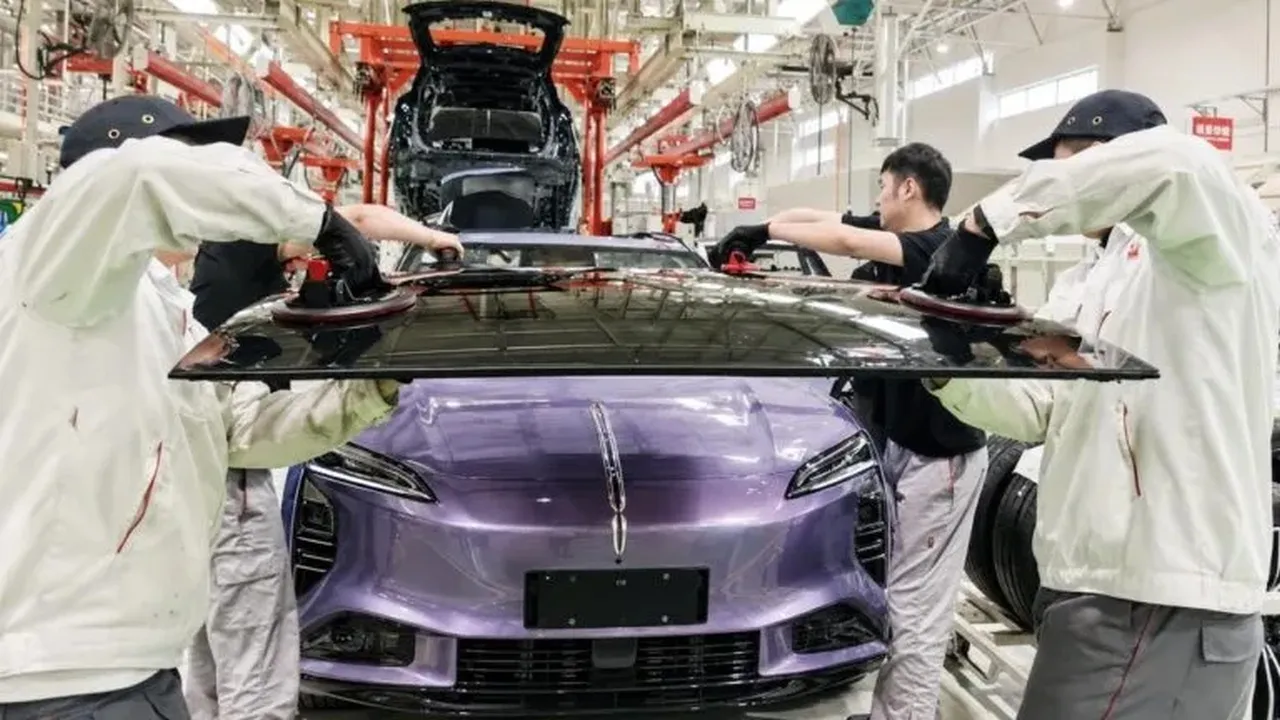
Hongqi [Polish: red flag, pronounced: hon:czi], a brand owned by the FAW Group, claimed to have been the first in the world to use a perovskite solar panel roof in its Hongqi Tiangong 08 model /in Europe: Hongqi EHS7/. “With sufficient sunlight,” these panels can generate up to 300 W, or 0.3 kW of power. The media praise the ability to charge using free energy, but the problem is that this power output is too low to even initiate the charging process.
The first car with perovskite panels on its roof. It seems we now have proof that this isn’t the right approach.
With good sunlight, a solar roof should be able to produce 400 kWh per year, which amounts to an average of 1.1 kWh per day. Assuming an electric car uses an average of 20 kWh/100 km—our standard assumption for the Elektrowoz, accounting for different seasons and driving speeds—the aforementioned 1.1 kWh is sufficient to cover 5.5 kilometers. 5.5 kilometers of free range per day sounds good, but the Hongqi EHS7 actually uses 17.3 or 18.5 kWh/100 km even according to the WLTP standard, which is more than the assumed 20 kWh/100 km.
In short, the free range obtained will be less.
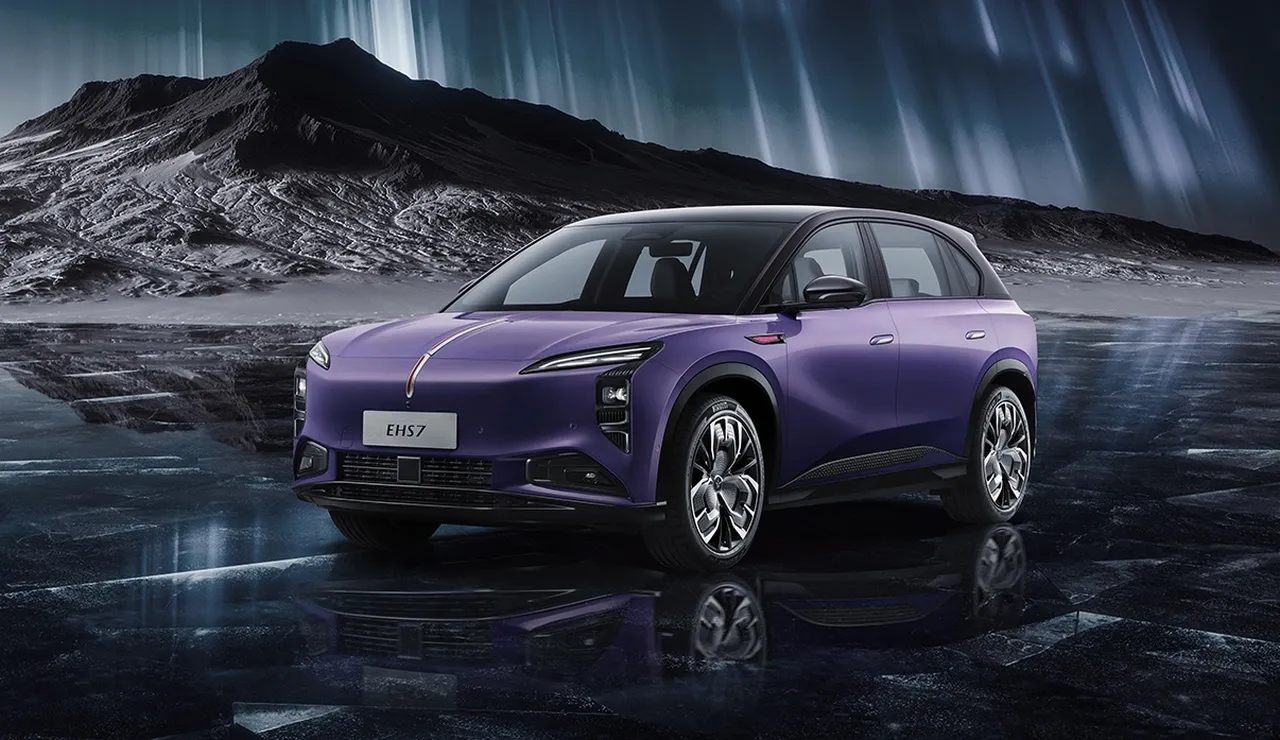
Hongqi EHS7 is Hongqi’s E-class crossover (c)
Problem number 2 is the available power. 0.3 kW is not enough to run the compressor responsible for cooling or heating the cells – this one often requires several kilowatts. In fact, we doubt that 300 W is even sufficient to power the coolant pump and the car’s control electronics. Or put another way: the pump starts up, but charging stops due to insufficient power, so the pump shuts off because it’s no longer needed. Then charging resumes, which activates the coolant pump again, resulting in even less power for charging, and so on.
The media are excited about Hongqi’s claim that such cells could provide up to 80 kilometers of free range. However, to avoid ruining their clickbait headlines, they don’t mention that this is a manufacturer’s statement for an unspecified future when perovskite cells will cover “other parts of the bodywork starting from the front end” and generate not 1.1 but as much as 10 kWh per day! That’s nine times higher costs for the photovoltaic layer and astronomical repair bills — and in the Hongqi model, ordinary rear doors are three times more expensive than Tesla Model X’s unusual “wings”!
This isn’t the end yet: perovskites have the advantage of being relatively lightweight and functioning on surfaces other than flat ones. However, there are numerous problems with them: the costs of mass-producing such cells for use in cars are unknown—Hongqi oddly omits this detail—especially considering performance under harsh conditions. Perovskites don’t tolerate prolonged exposure to ultraviolet light (such as from the sun) and dislike excessively high temperatures; above 85 degrees Celsius, the binders holding them together begin to break down. Thus, the conditions for maximum energy yield are surprisingly similar to those that accelerate cell degradation.
In summary: photovoltaics currently offer an excellent performance-to-cost ratio for use on rooftops, but they may not work well in cars. Yet the marketing goal was achieved, as even we covered this topic
Article rating
Readers' ratings
[Total: 1 vote Average: 5]
Don’t miss new content — CLICK and FOLLOW Elektrowoz.pl on Google News. You might also be interested in the following ads: