
High demand for electric car subsidies: Billions in funding may run out sooner
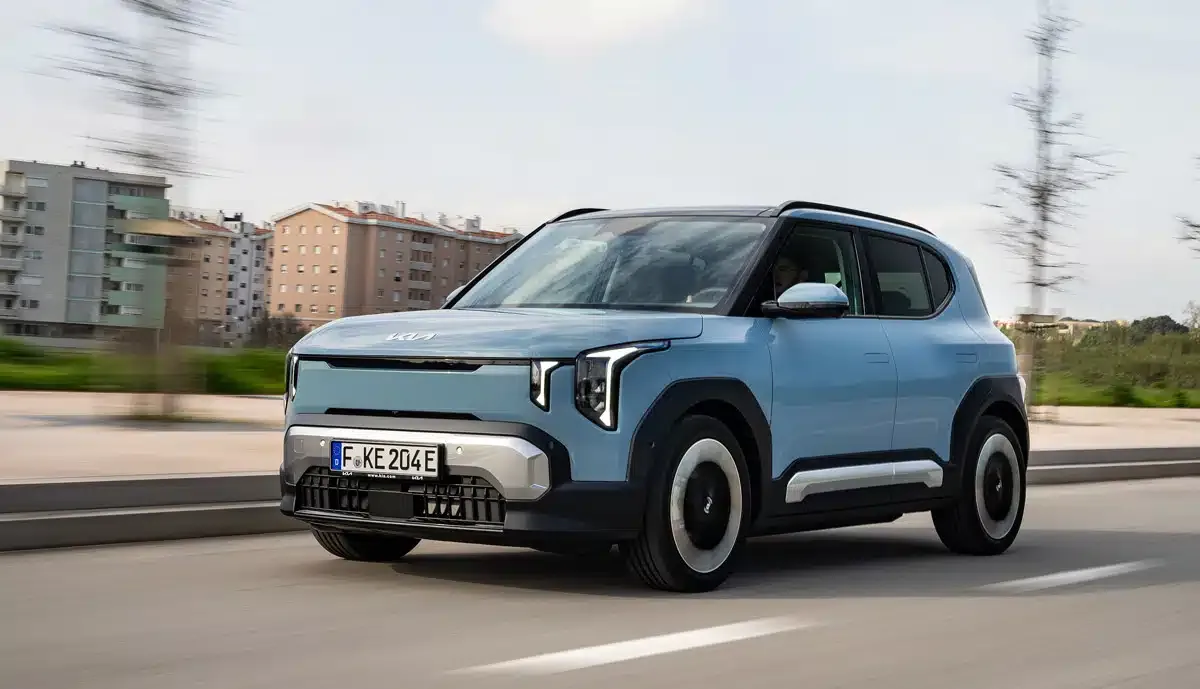
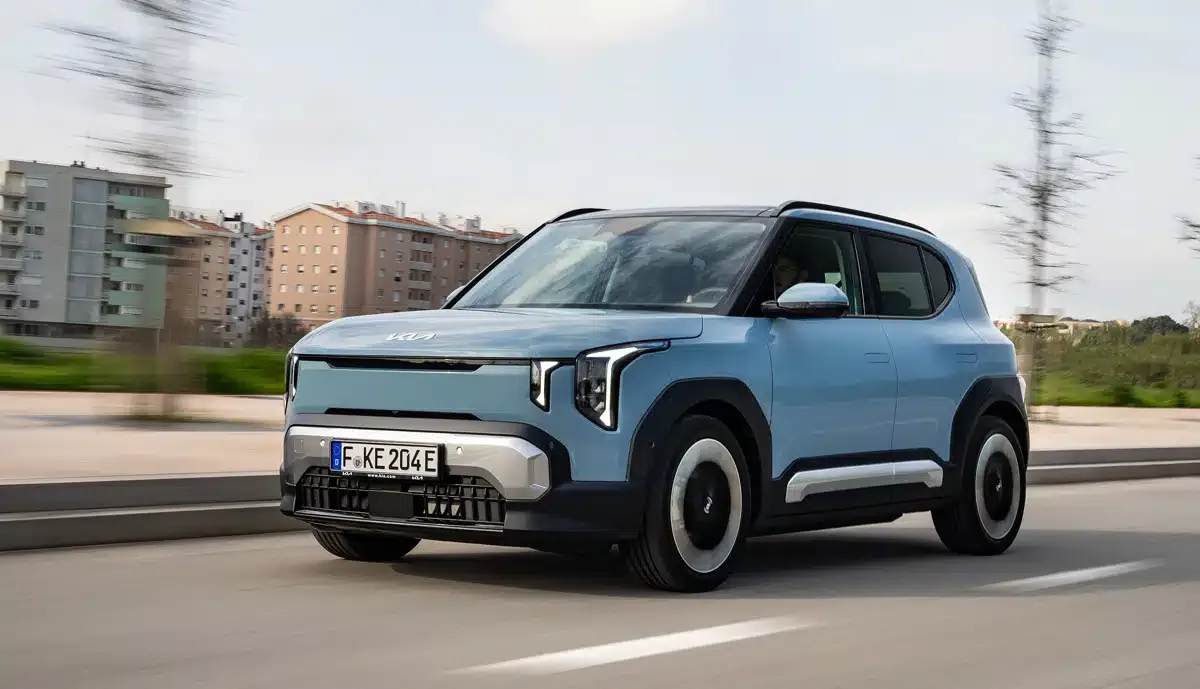
Image: Kia (illustrative)
The federal government has been offering a subsidy of up to 6,000 euros for the purchase of private electric vehicles and certain partially electric cars since the beginning of the year. This incentive has generated unexpectedly high demand, which, according to a report, threatens to undermine the financing of the subsidy program.
The car dealers association ZDK predicts over 370,000 electric vehicles in the segment of private new registrations, which represents a doubling compared to the previous year. With sustained high demand, payments could reach nearly one billion euros in the first year alone. Since the federal government has allocated three billion euros from the climate fund for subsidies until the end of 2029, there is a risk that the budget may be exhausted prematurely.
ZDK raises its forecast for the entire electric vehicle market, including fleet vehicles, to around 817,000 new all-electric cars. This is 109,000 vehicles higher than the original estimate and also 50 percent above last year’s figure. However, this increase does not lead to overall market growth, as sales come at the expense of conventional internal combustion engine vehicles.
Thomas Peckruhn, head of ZDK, urged policymakers in an interview with Welt am Sonntag to act reliably and warned against a sudden end to subsidies, as happened when the electric car “environmental bonus” was discontinued in 2024. He called for early notification, as applications can often only be submitted months after purchase. There should be no “sprint for the last subsidies.”
According to the relevant authorities, 26,875 applications for the electric car purchase subsidy had been approved by early August, with around 200 million euros disbursed by the end of the month. However, many of the more than 100,000 applications received are still under processing. The end of the subsidy will be announced well in advance, said a spokesperson for Welt am Sonntag.
To increase the reach of these funds, the government is considering integrating EU preferential regulations. This could result in models imported from China, for example, no longer receiving subsidies. According to the automobile manufacturers' association VDA, it is currently difficult to make any predictions due to an upcoming evaluation of government subsidies.
ZDK chief Peckruhn demands that the government provide clarity by the end of 2027 on what will happen to the subsidy. This lobbyist, who also works as a car dealer, notes that electric cars are already reaching new customer groups. He told Welt am Sonntag, “The resistance to electric cars is noticeably decreasing. More and more people know someone in their circle who is satisfied with their electric car. That helps us.” The new technology is increasingly gaining traction on its own, especially as the price gap compared to internal combustion engines shrinks with new, compact models.
Also interesting
About the author
Thomas Langenbucher is an expert in electromobility with experience in the automotive and financial industries. Since 2011, he has been covering electric cars, sustainable technologies, and mobility solutions for ecomento.de. Learn more.
Reader interactions