
“There are development timelines we cannot afford to shorten”: China is manufacturing cars so quickly that it’s starting to become a problem
05/09/2026 14:30
Updated to
05/09/2026 14:30
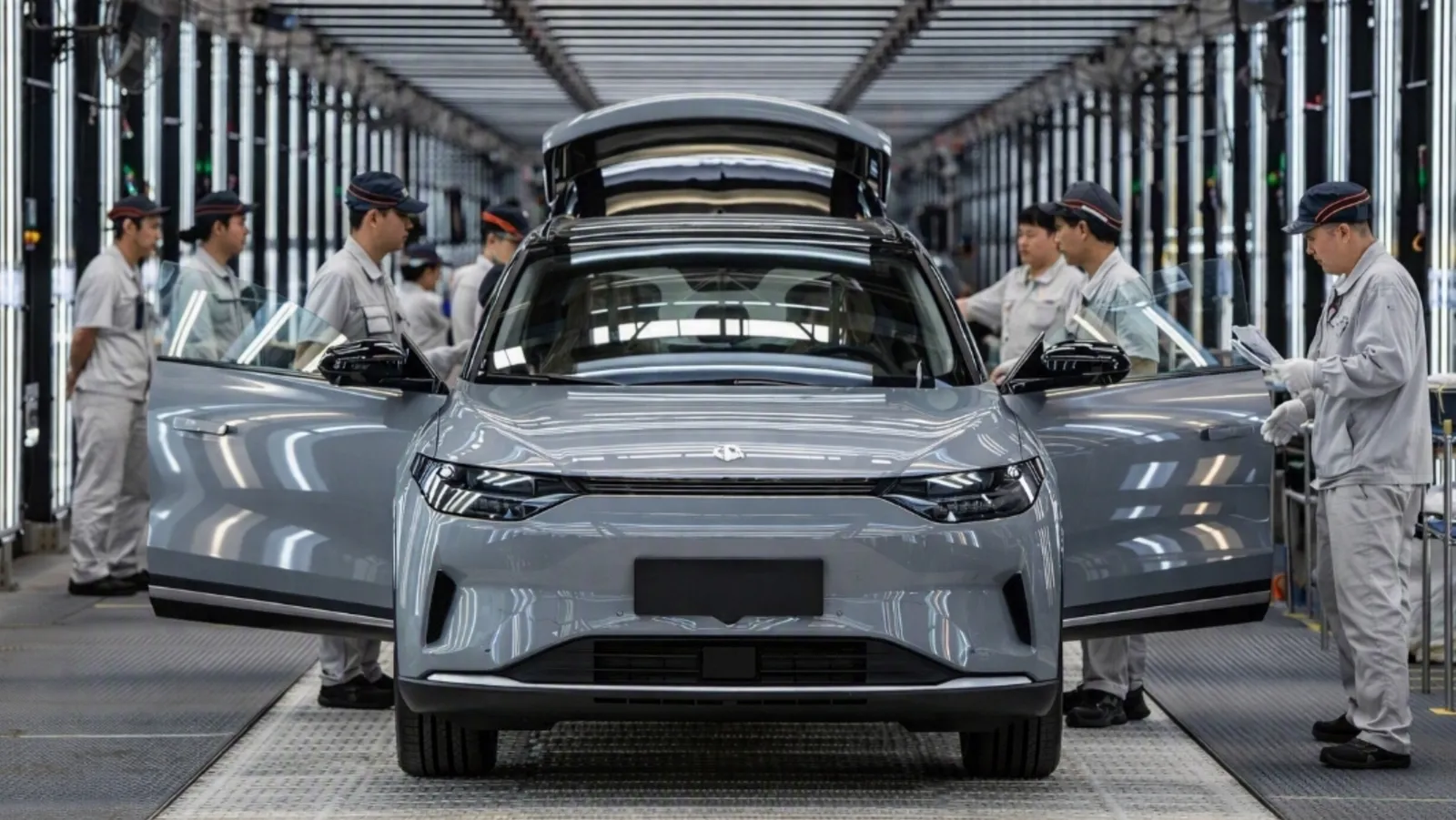
The Chinese automakers' drive to drastically reduce the development time for their cars is clashing with authorities, who fear that such rapid progress may outpace safety oversight. This tension could reshape the way the world's largest automotive market balances innovation with consumer protection. China alone sells more cars per year than Europe and the United States combined, though recent figures show a downward trend.
As competition intensifies and profit margins shrink, the use of artificial intelligence could set a new standard in the industry. According to an estimate by automotive designer IAT Automobile Technology and the China Association of Automobile Manufacturers, brands take an average of 18 months to develop a completely new car, from the design stage to the assembly line. This is a reduction from the current pace of about two years and compares to the three to five years taken by traditional foreign competitors.
New testing standards
But while “Chinese speed” has set a new global standard, it has also raised concerns that the rapid innovation of automakers might outpace both regulatory oversight and their own quality control capabilities. Within the industry, there is growing debate about whether tight delivery schedules put Chinese brands’ reputations at risk—especially as they expand into foreign markets like Europe—or whether, on the contrary, they simply demonstrate their competitive advantage.
Local authorities are emphasizing safety through a year-long campaign that includes surprise inspections of automobile manufacturers to oversee their processes. Their stance aligns with warnings from executives at Geely, Great Wall Motor, and Chery, who argue that faster development times essentially turn customers into guinea pigs testing durability and safety in real time. “Cars are not fast-turnover consumer goods. They affect the safety of millions of families and must withstand testing under various conditions,” said Li Xueyong, vice president of Chery. “There are simply development timelines we cannot afford to shorten.”
New testing standards

Currently, China is undertaking the largest recall in its history, during which Tesla and eight other automakers will repair over 4.27 million electric vehicles to meet new door requirements. China also proposes doubling the mandatory road testing distance for new energy vehicles to 30,000 kilometers, a measure aimed at addressing concerns that shortened timelines could compromise safety standards and public trust.
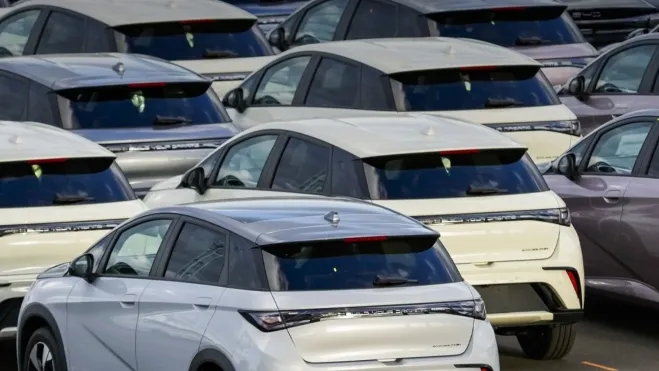
The push for safety is likely to clash with the industry’s frenetic pace, as China’s auto market saw hundreds of new model launches and updates in the first half of the year, along with the rapid integration of AI into every part of the automotive supply chain. Over 600 models have been introduced and launched in the first 7 months of the year. This rapid pace can be problematic not only for safety reasons but also due to the poor economic returns it leaves for companies. For example, BYD now earns more money abroad than in China.
Not everyone thinks alike
Despite increasing scrutiny from regulators and customers, an agile development process is not necessarily a problem, according to some industry experts. If a car is developed quickly and has completed all required tests, it simply demonstrates its efficiency, argued Lu Fang, president of Dongfeng’s luxury brand Voyah. “I think it’s practically impossible to ask someone to slow down. Everyone is competing to be the first,” commented Li Shufu, president of Geely. “This request might be too difficult. If they asked me to slow down, I probably wouldn’t agree.”