
"There is a lot of interest": Hyundai and Google are preparing "something significant" for electric vehicles, according to their Spanish CEO
21/09/2026 12:15
Updated to
21/09/2026 12:15
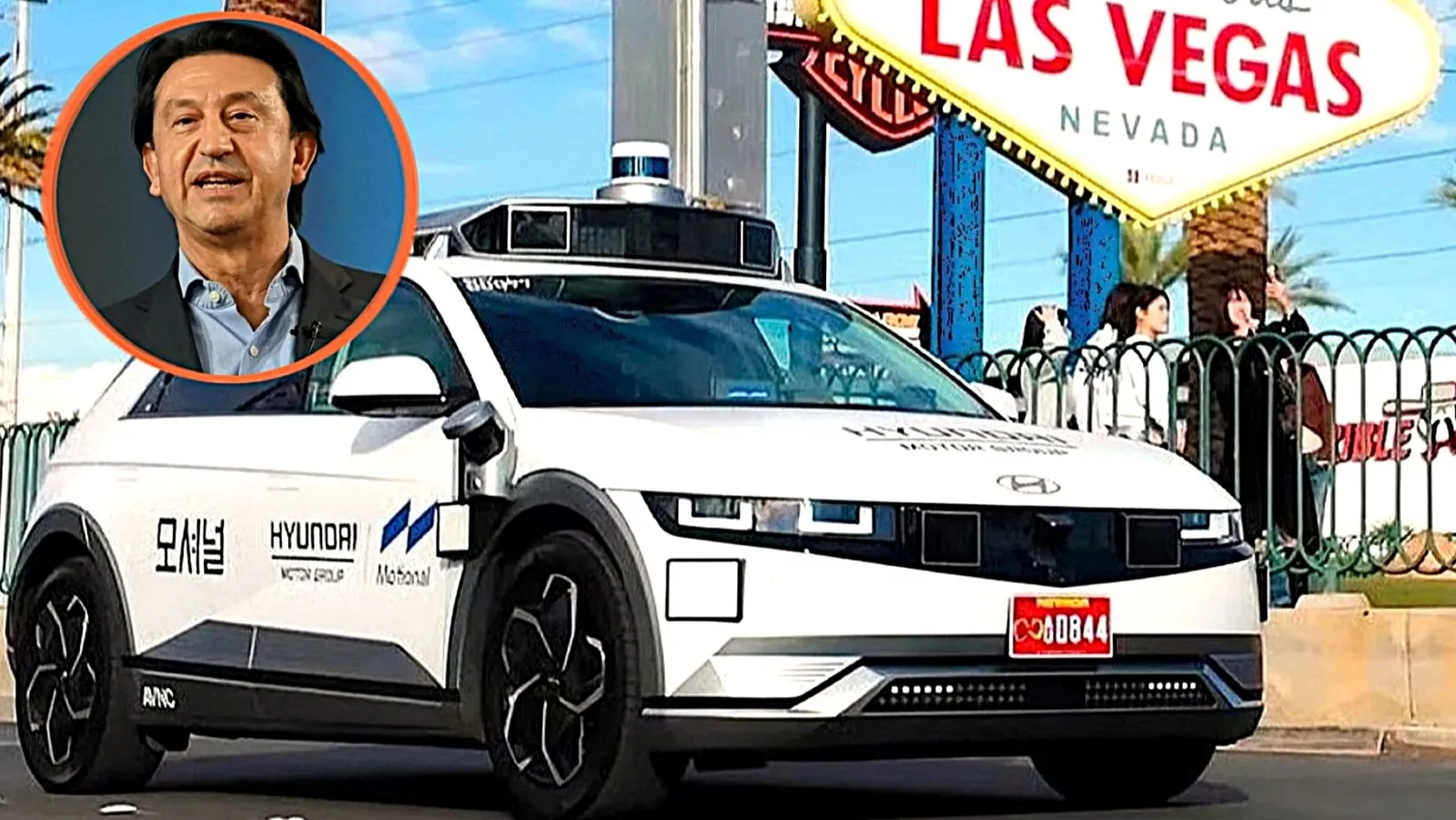
José Muñoz, Hyundai’s Spanish CEO, made history in 2025 by becoming the first non-Korean CEO of the world’s third-largest automobile manufacturer, after Toyota and Volkswagen Group. Now, he aims to do it again with Google’s help, or at least that of one of its major technology subsidiaries: Waymo, which also works with Toyota.
The Spanish CEO of Hyundai believes he has found “something important” for the future of the group’s electric vehicles that doesn’t involve their commercialization… given the much lower cost of Chinese cars. It’s something that generates “great interest” not only from Google but also from other competitors.
“Something important” for Hyundai’s electric vehicles: robotaxis
The Spanish CEO of Hyundai is not a visionary, as Tesla’s and Uber’s main rivals, for example, will produce 20,000 robotaxis. But he can achieve something much more important for Hyundai’s electric cars: establishing them as a reliable and large fleet of robotaxis by partnering with Waymo, Google’s subsidiary.
The Korean group’s Spanish CEO emphasized this point last Thursday in a press statement. And note that while it might be “something important” for both Google and Hyundai, the Korean group has a greater interest in this initiative, as it needs to find markets for its electric cars—especially the IONIQ 5 and IONIQ 9 models manufactured at its plant in Georgia, United States.
The reason? The decline in demand for these cars in the U.S. market due to Donald Trump’s administration’s policy of ending discounts on such vehicles.
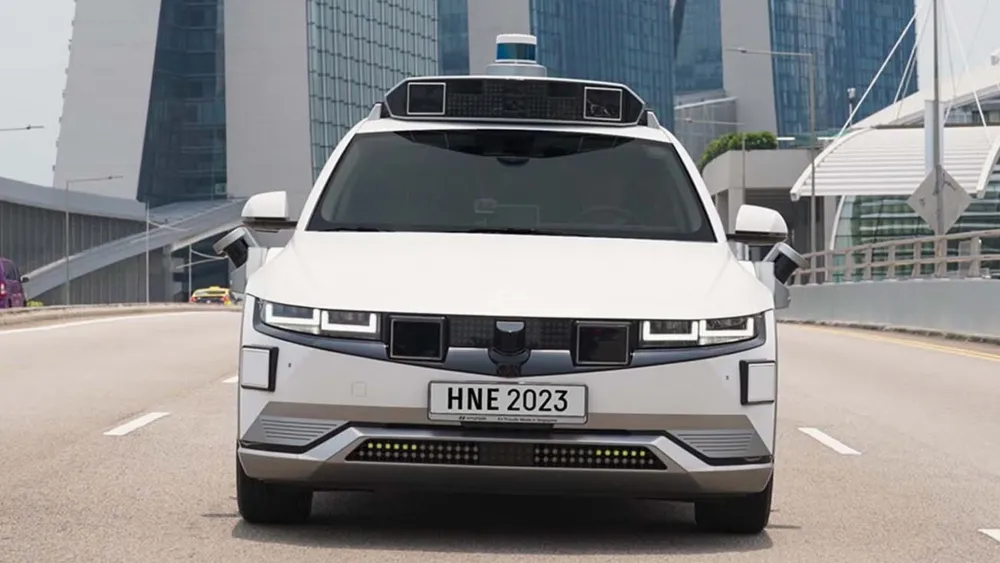
Under these circumstances, Muñoz told the press that Hyundai will manufacture “tens of thousands of robotaxis” using its IONIQ 5 electric vehicles for Waymo at its plant in Georgia. “[The robotaxi market] is becoming an independent business unit,” he explained.
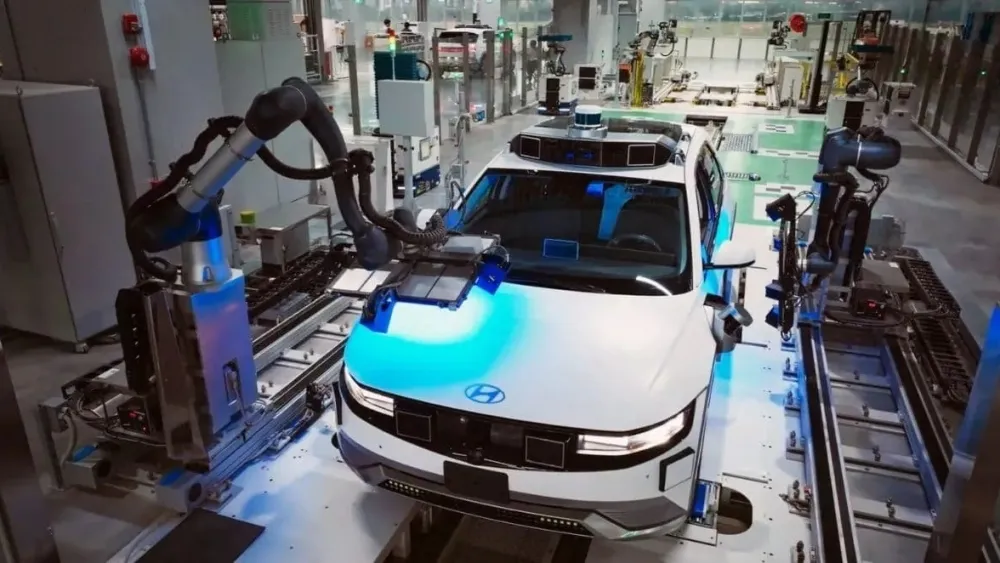
The interest is so great that the Korean company plans to deliver the first IONIQ 5 robotaxis not intended for testing to Google by the end of the year. These autonomous Hyundai vehicles will use Waymo’s sixth-generation autonomous driving hardware, but unlike other manufacturers serving Google, they will be delivered 100% ready to the American tech giant right from its factory in Georgia.
The deal between Hyundai and Google was not reached by the Spanish CEO, as it dates back to 2024. In that agreement, both companies stated that Hyundai would supply a significant number of electric cars to Waymo, though they did not specify how many. Muñoz has also not provided that figure, but he emphasized it is “a major opportunity to expand” their robotaxi business. A sector that generates “great interest” not only from Google but also from other potential customers.