
Up to 700 kilometers of range and large payload capacity: Volvo’s new electric trucks aim to phase out diesel in Europe
16/09/2026 15:00
Updated to
16/09/2026 15:00
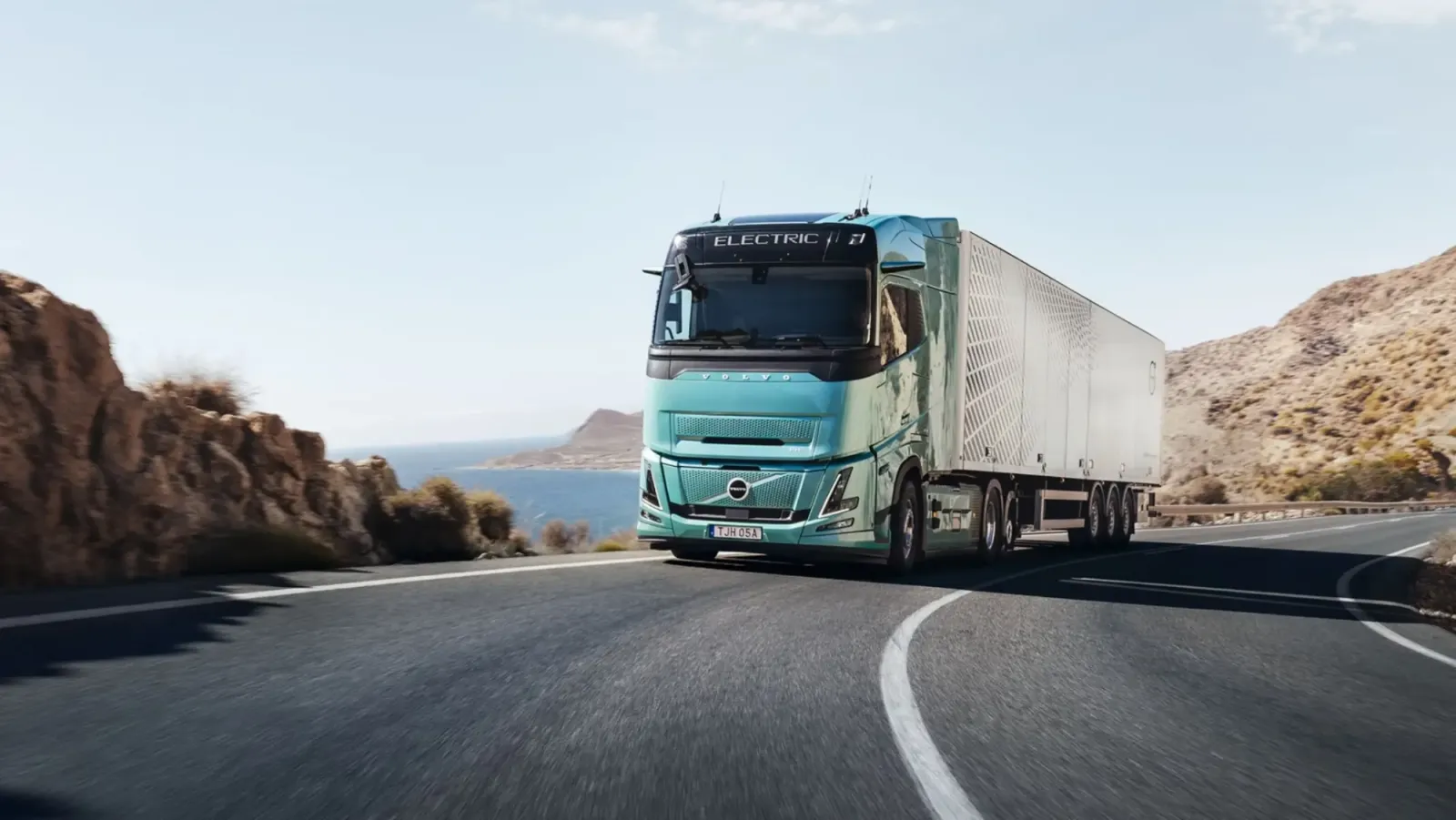
The electrification of heavy freight transportation in Europe is undergoing a critical phase on the continent. Volvo Trucks has taken a major step forward by beginning mass production of the FH Aero Electric, its new heavy-duty electric trucks with a range of up to 700 kilometers. This distance matches that of vehicles powered by traditional combustion engines, marking a turning point in the energy transition of the logistics sector.
The Swedish company, which leads the electric truck market in Europe, aims to accelerate decarbonization in long-distance transportation, a segment that has resisted electrification due to heavy loads and stringent demands on intercity routes.
An electrical architecture built for long distances
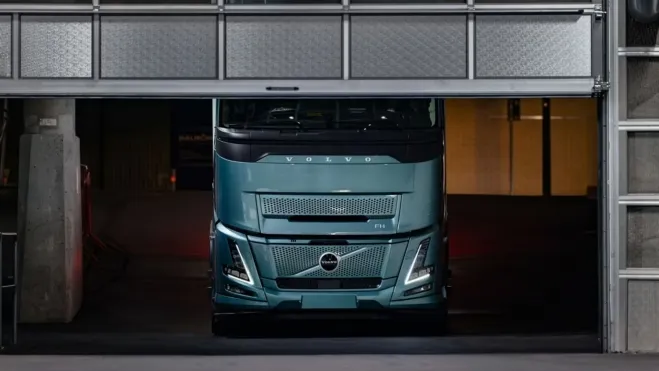
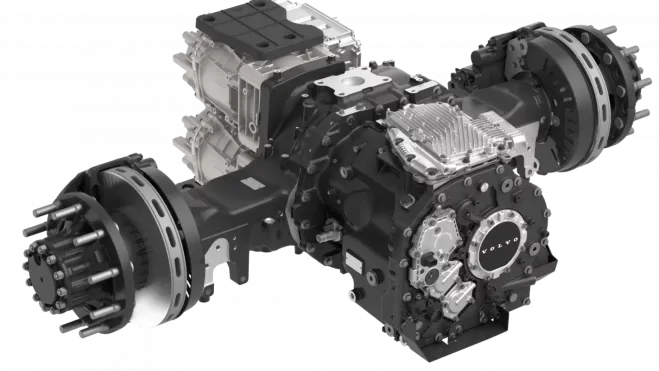
The qualitative leap in this new series lies in the advancement of its technical platform. To achieve a real-world operating range of 700 kilometers, the brand has optimized the efficiency of the powertrain and incorporated high-energy-density batteries. This capability allows drivers to cover long distances across European territory without the need for intermediate stops to recharge, accommodating the mandatory rest times required for professional drivers.
Ultra-fast charging plays a crucial role in this strategy. By utilizing the new high-power infrastructure designed for industrial vehicles, these trucks can regain most of their capacity during mandated breaks, maintaining maximum productivity and minimizing downtime in commercial fleets.
Overcoming the challenge of payload capacity
One of the main challenges in electrifying heavy vehicles has been the weight of batteries and their direct impact on payload capacity. The increased weight reduced the net load a truck could legally transport, affecting the profitability of transportation companies.
Volvo has addressed this challenge by using lightweight materials in the chassis and reconfiguring the vehicle’s architecture. Thanks to these design improvements and the European regulatory framework that allows for an additional weight allowance for zero-emission vehicles, the new electric trucks maintain optimal loading capacity, competing with their diesel equivalents in terms of tonnage and payload volume.
Another step toward decarbonizing transportation
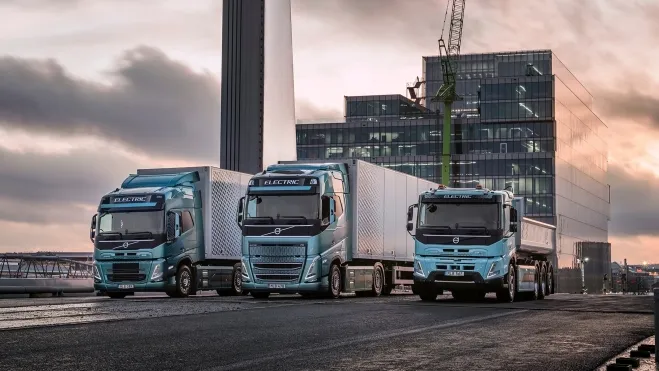
The arrival of trucks with 700 kilometers of range is a direct response to the EU’s increasingly strict emission regulations, which require drastic reductions in the carbon footprint of freight transportation. To date, battery-electric trucks have primarily been used for urban and regional distribution, where daily distances are predictable and shorter.
With the start of mass production of these high-capacity units, electric propulsion technology is expanding its range to cross-border transportation. The economic viability for fleet operators now depends not only on environmental savings but also on a competitive total cost of ownership compared to fossil fuels, accelerating the gradual replacement of diesel on European roads.