
Up to 680€ extra each year on gasoline: according to T&E, plug-in hybrids consume much more than what they promise.
18/10/2026 15:00
Updated to
18/10/2026 15:00
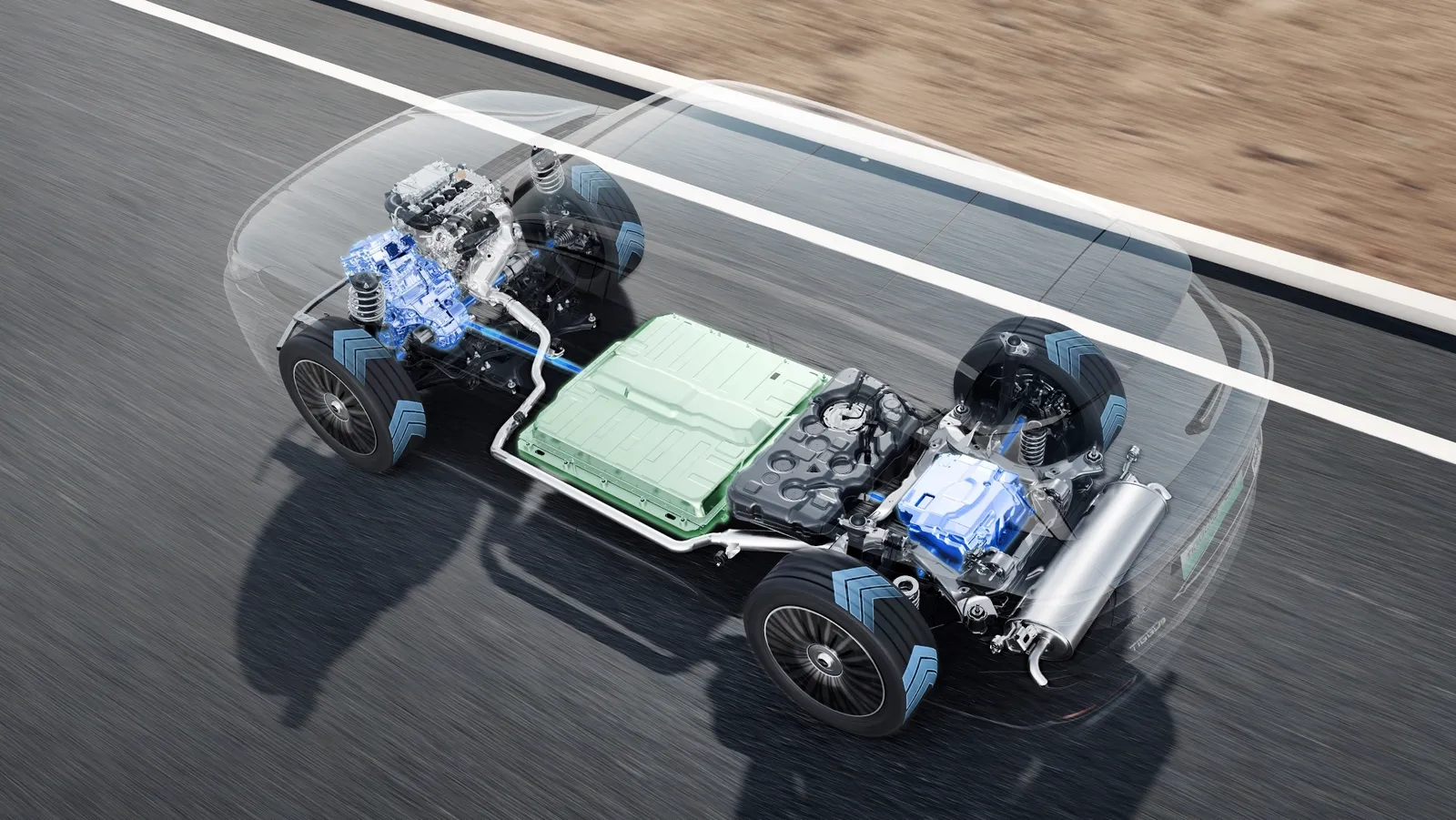
Plug-in hybrid cars have for years been presented as an option that can combine the advantages of electric mobility with the range of a combustion engine. On paper, many of these vehicles claim extremely low gasoline consumption and CO2 emissions far lower than those of a conventional car. However, the reality of their everyday use seems quite different. A new report by Transport & Environment (T&E) once again questions the official figures for these models and warns that drivers may be paying much more in fuel costs than they initially expected.
The European environmental organization has analyzed the latest available data on actual emissions collected by the European Environment Agency, relating to vehicles registered in 2024. Its conclusion is clear: plug-in hybrids emit, on average, nearly 6 times more CO2 than their official homologation figures indicate. Moreover, this gap is not narrowing with the introduction of new models; instead, it has increased compared to 2023, when actual emissions were about 5 times higher than those reported.
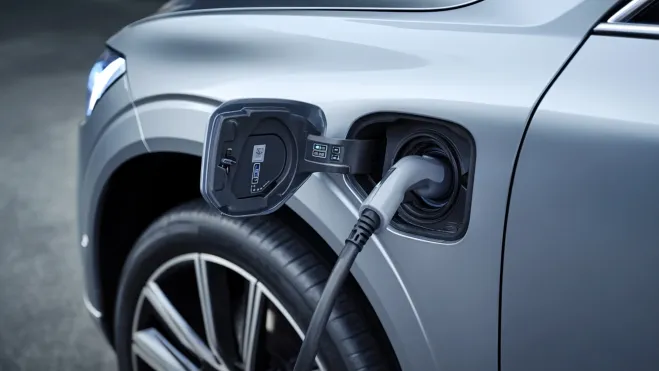
Plug-in hybrids emit 6 times more CO2 than certified
According to data analyzed by T&E, plug-in hybrids registered in 2024 had average real-world emissions of about 145 grams of CO2 per kilometer, compared to 24 grams stated in their official certifications. This difference is particularly significant when compared to conventional internal combustion engines and hybrids. While laboratory figures suggest that plug-in hybrids reduce emissions by 83%, in real-world conditions this advantage drops to just 14%.
This difference also has economic consequences. According to T&E’s calculations, the average driver of a plug-in hybrid registered in 2024 may face an additional cost of around 680 euros per year on fuel compared to what official figures would suggest. The organization warns that this extra expense calls into question one of the main selling points of these vehicles, especially for those who purchase them attracted by their very low certified fuel consumption.
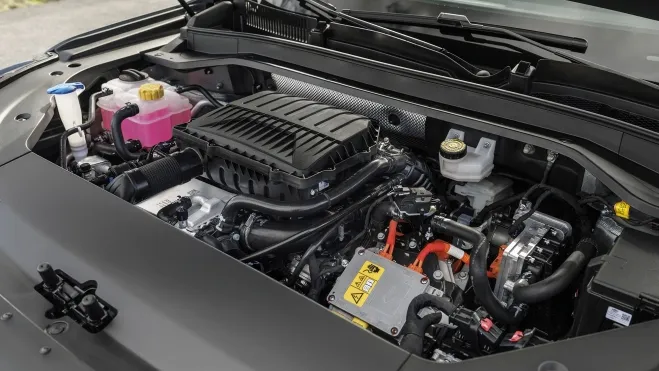
Europe wants to correct official figures
The root cause of much of this discrepancy lies in the so-called 'utility factor,' a parameter used to estimate what proportion of a plug-in hybrid’s travel is done using electricity. The European Union already made its first adjustments in 2025 and 2026, with another update planned for November 2026. However, according to T&E, Germany is pushing to freeze this new adjustment within European negotiations on emission regulations. The organization estimates that maintaining current rules would continue to underestimate the actual emissions of these vehicles by 56%.
The study also shows that tightening homologation requirements can drive technical improvements. T&E analyzed 20 models representing 51% of plug-in hybrid sales in 2025 and found significant advancements in their newer generations. One of the most notable examples is the Volkswagen Tiguan, whose electric range increased from 55 to 119 kilometers. Thanks to this improvement, its homologated emissions rose only from 32 to 36 g/km despite adjustments to the efficiency factor. Overall, the improvements made in 5 Volkswagen Group models offset 90% of the increase in official emissions associated with regulatory changes.
Therefore, Transport & Environment calls on the European Union to implement upcoming revisions and require manufacturers to provide figures that more accurately reflect real-world usage. The organization believes that increasing electric range, improving engine efficiency, and reducing vehicle weight would enable the development of significantly more efficient plug-in hybrids. Their warning is clear: without changes to homologation rules, consumers will continue to make purchasing decisions based on fuel consumption and emissions figures that are, on average, quite different from those recorded in actual driving conditions.