
Up to 1,000€ in savings per year in Spain: the difference between living with an electric car and a comparable gasoline car
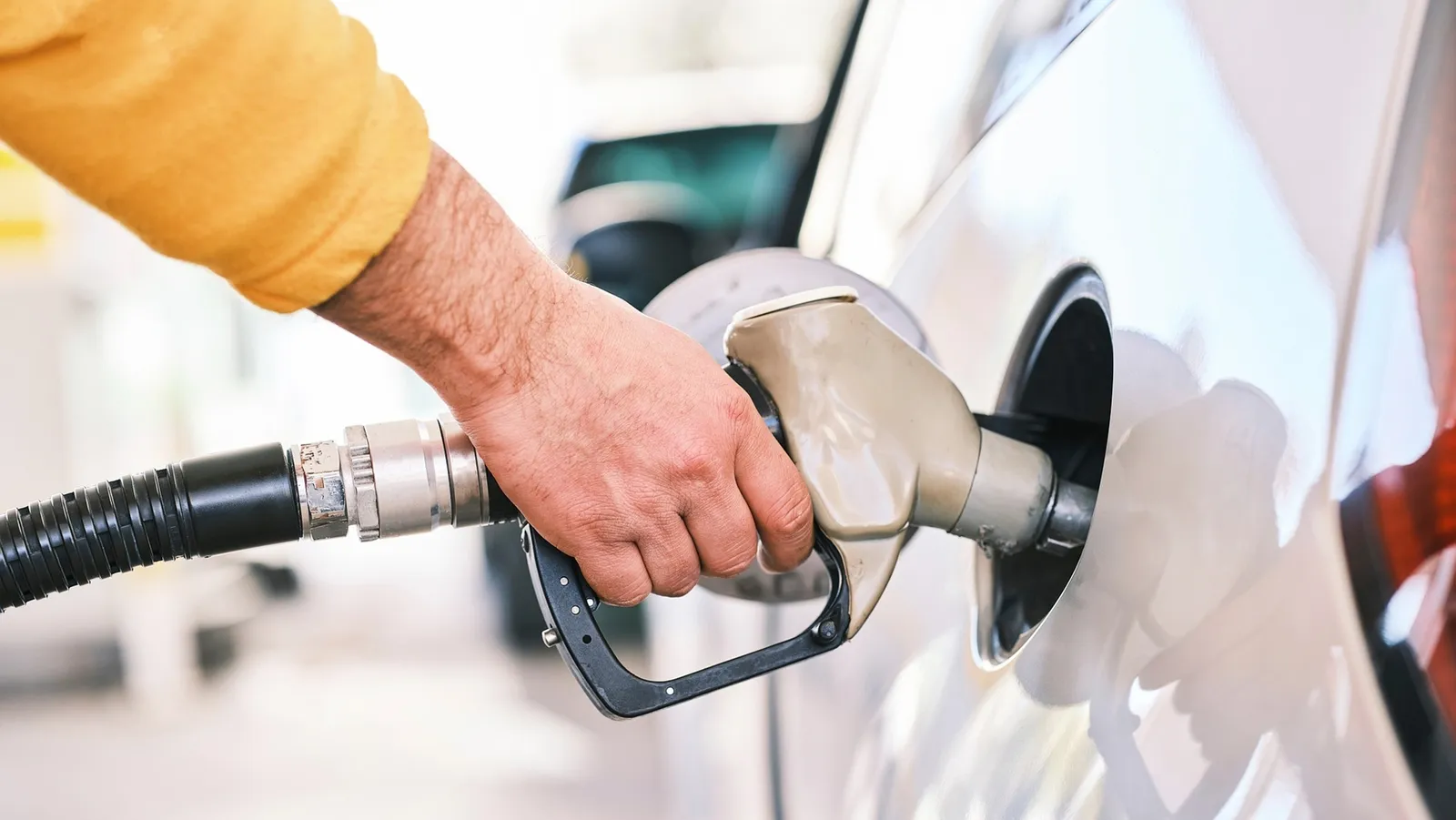
The purchase price remains one of the main barriers to owning an electric car, but the situation changes significantly when it comes to using it. A new analysis compares the cost of driving 15,000 km per year with an electric car and a comparable gasoline vehicle in different European countries, using the average electricity and fuel prices for the first half of 2026.
The overall conclusion is clear, though there are notable differences between countries. Charging an electric car at home is usually much cheaper than refueling with gasoline. The analysis uses a consumption rate of 17 kWh/100 km for electric cars and 6.5 liters/100 km for gasoline vehicles. Therefore, over 15,000 km per year, this amounts to approximately 2,550 kWh of electricity compared to 975 liters of gasoline.
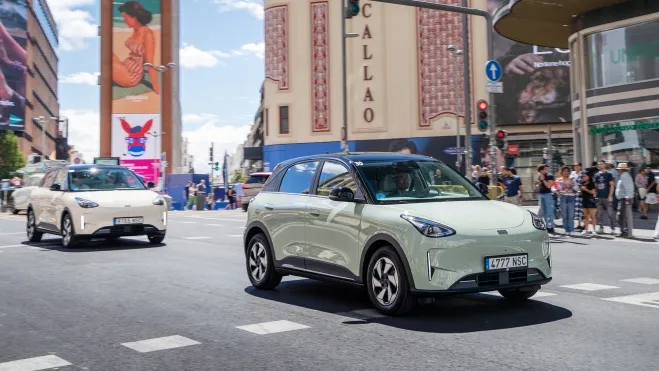
Spain is among the countries where electric cars offer the best savings
Spain performs particularly well in this comparison. With a domestic electricity price of around 0.26 euros/kWh, driving 15,000 kilometers with an electric car would cost approximately 663 euros per year. For a gasoline car, at around 1.50 euros per liter, the cost would be around 1,463 euros.
The difference amounts to around 800 euros per year solely in terms of energy costs. This savings can increase significantly for those with time-of-use electricity rates, solar panels, or access to particularly low prices during early mornings. In such cases, achieving annual savings of over 1,000 euros compared to gasoline is entirely possible.
However, Spain is not an exception or a unique case. France is one of the markets where the advantage for electric vehicles is particularly significant due to its relatively low electricity prices. There, driving 15,000 kilometers per year would cost approximately 510 euros using household electricity, compared to around 1,700 euros with gasoline. Norway also offers a huge advantage for electric vehicles, while countries with considerably higher electricity costs, such as Germany, reduce the savings margin.
Charging outside the home consistently significantly changes expenses
The key factor is where the car is charged. The prices mentioned earlier refer to home electricity, but relying constantly on expensive public fast chargers can significantly increase the cost of using an electric vehicle. The rates in certain European networks can far exceed 0.50 euros/kWh and even reach 0.70–0.80 euros/kWh without a subscription.
An electric vehicle that consumes 17 kWh per 100 km and costs, for example, 0.70 euros/kWh would need about 11.90 euros to travel 100 km. The gasoline car in the example, with a fuel consumption of 6.5 liters per 100 km and fuel priced at 1.50 euros per liter, would cost approximately 9.75 euros. In other words, relying solely on expensive fast charging can reverse the comparison and make the electric vehicle more costly in terms of energy use.
That is precisely why having home charging remains one of the key factors influencing the economic savings of electric vehicles. Most owners charge their vehicles at home most of the time and use fast chargers mainly during long trips, a very different approach from relying constantly on public high-power charging infrastructure. Additionally, electricity prices can vary significantly depending on the country, tariff plan, and time of day.
Savings don’t end with electricity
The comparison published by the International Council on Clean Transportation (ICCT) focuses primarily on energy costs, so it does not reflect the full usage cost of both propulsion systems. Electric vehicles eliminate the need for oil changes, engine filters, spark plugs, exhaust systems, and numerous mechanical components found in internal combustion engines. Therefore, maintenance can result in additional savings over the vehicle’s lifetime.
It also does not mean that electric vehicles are automatically cheaper in terms of total ownership cost. Factors such as purchase price, financing, depreciation, insurance, tires, installation of a home charger, and potential tax differences must be taken into account. The outcome depends heavily on the model chosen and the specific circumstances of each owner.
The European comparison nevertheless leads to a fairly simple conclusion for daily use: when there is the option to charge at home regularly, operating an electric vehicle can cost significantly less than refueling a gasoline car. In Spain, with the consumption levels used in this analysis, the difference amounts to around 800 euros per year for 15,000 km, and it can exceed 1,000 euros by taking advantage of cheap electricity rates. This advantage disappears or even reverses if all energy comes from expensive fast chargers, showing that for an electric vehicle it matters not only how much it consumes but also where and at what price it is charged.