
Will there be enough electricity for so many electric cars? Experts give a figure: 40 million
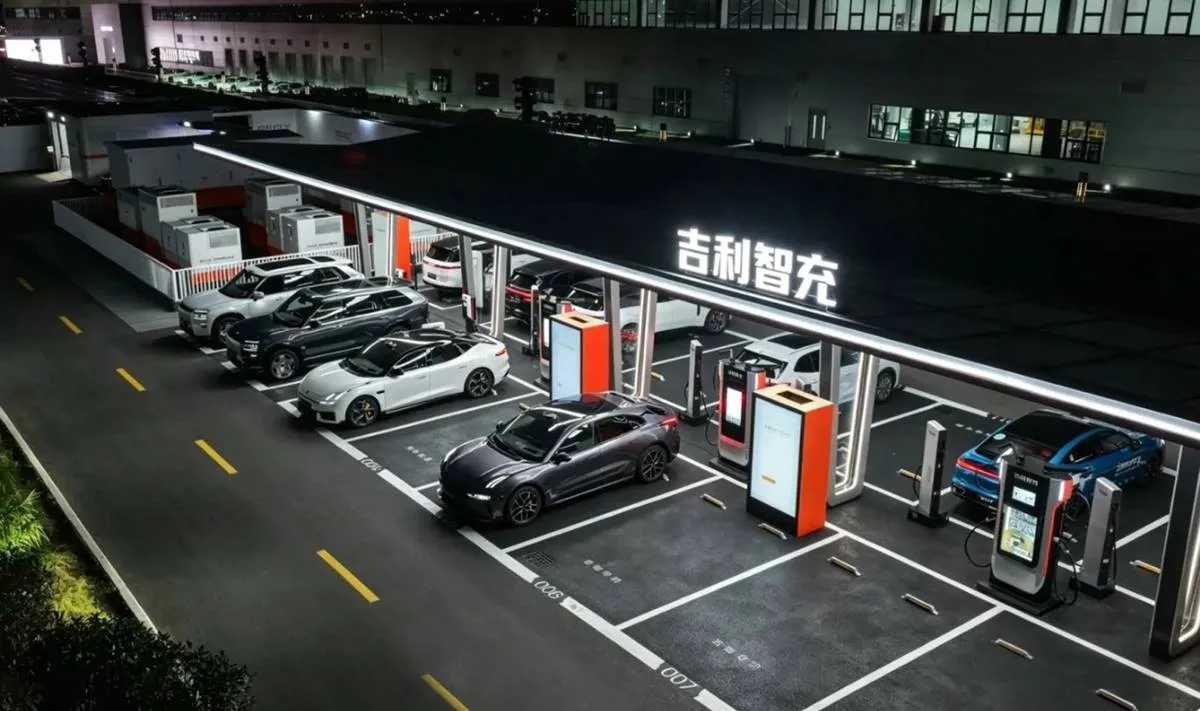
What will happen to the grid when millions of drivers switch their gasoline cars for electric ones? 50Hertz, the operator of Germany’s electricity transmission network, offers a fairly clear answer: supplying more than 40 million electric cars is feasible, as long as progress is also made in transforming the energy system.
This is how Dirk Biermann, the company’s Operations Manager, explained it in an interview with Germany’s electrical engineering association, VDE. The planning scenarios already account for such a fleet by 2045. Therefore, the growth of electric cars is part of the projections on which infrastructure managers work.
More renewables and better organized charging
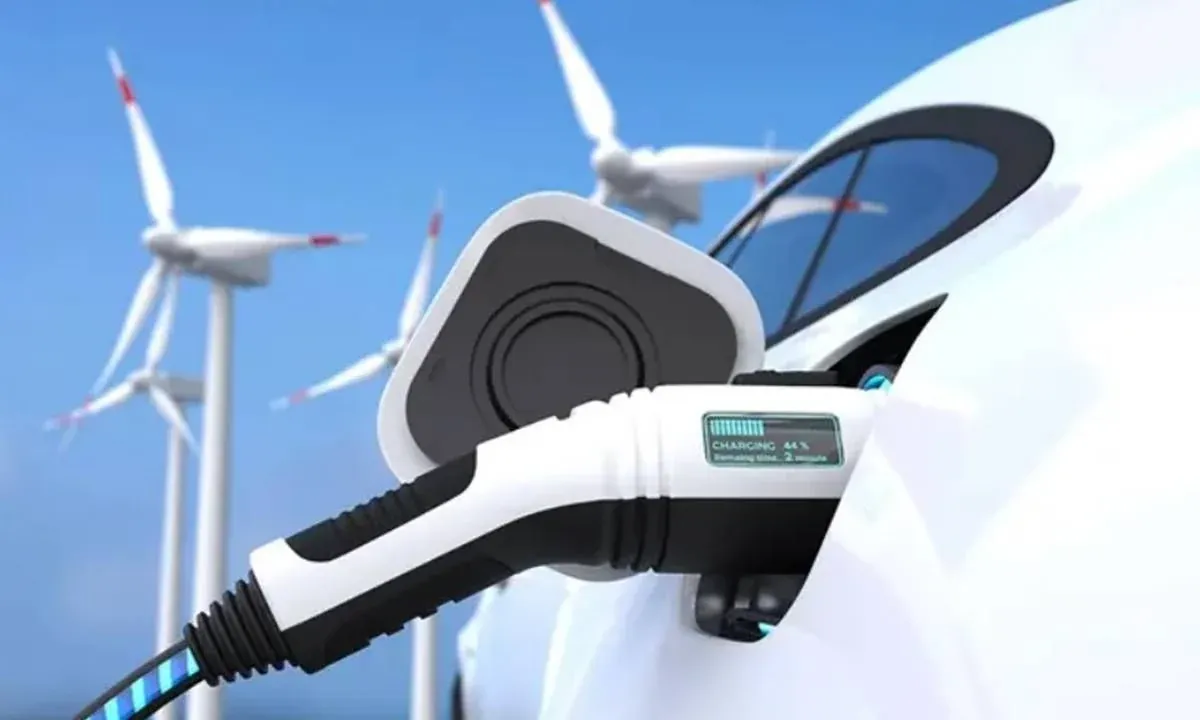
The condition set by Biermann is maintaining the expansion of renewable energy. Electricity demand will rise as more drivers switch away from gasoline and diesel, but it will also increase due to the electrification of heating systems and numerous industrial processes. It is this combined shift that requires a more comprehensive transformation.
It is also important to distinguish between having sufficient energy and being able to deliver it to a specific location when many users need it at the same time. A viable national energy balance can coexist with difficulties in certain distribution networks. Simultaneous charging can cause local demand spikes, and that is where action is needed.
A simple example would be a neighborhood where many drivers plug in their cars upon returning from work. If their needs allow charging to be spread out over the following hours, managing that consumption can reduce the peak demand. The advantage lies in making use of the available time to charge and adjusting the power to the conditions of the network.
That’s why Biermann argues that distributors need appropriate tools to manage such situations. Continued investment in infrastructure is necessary, but better organized charging can prevent some of the expansions that would be required if all consumption occurred at the same time.
Two-way charging can help the grid
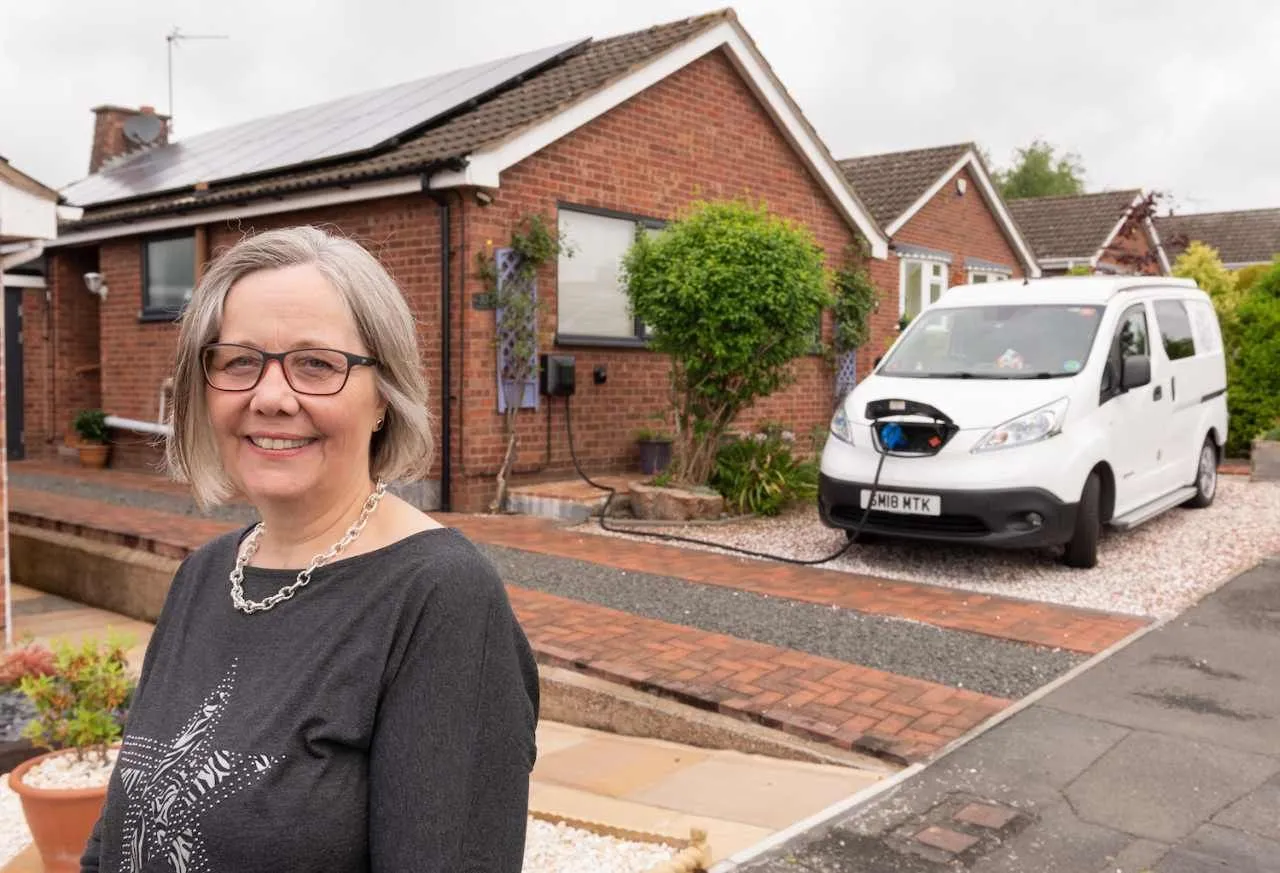
Electric vehicles can also provide flexibility through two-way charging, which allows energy stored in their batteries to be reused for other purposes. Applied to the grid, this enables connected cars to feed electricity back when appropriate, always with compatible equipment and systems.
From 50Hertz’s perspective, this capability offers new options for managing the electrical system. Biermann sees promising applications in the residential sector, while for public charging, he believes there is still room to develop dynamic pricing and economic incentives that encourage consumption aligned with the grid’s needs.
For drivers, the practical issue will be ensuring it’s easy to participate and that there is clear compensation. Giving up some of the battery’s energy should fit with how the car is used: the departure time, the expected distance, and the charge level desired to be retained. It is this available margin that can be utilized to support the system.
Stationary batteries are also gaining prominence
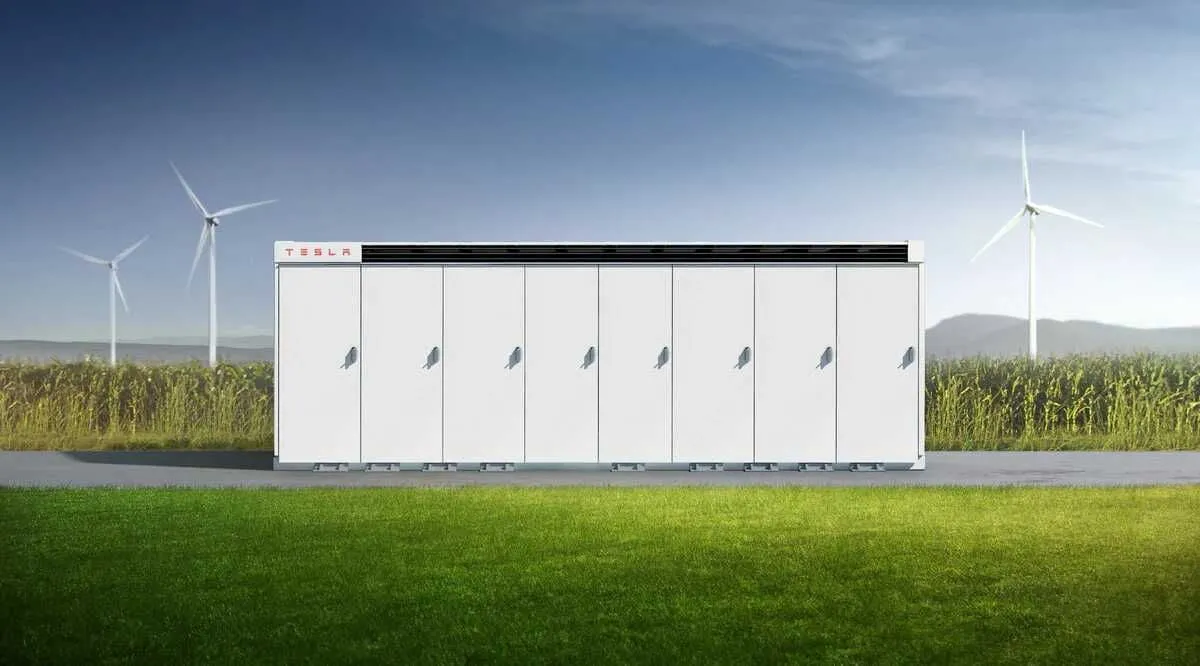
The transformation extends beyond cars. Biermann highlights the role of digital meters, automation, and stationary storage in better coordinating production and consumption. Having access to information and control capabilities allows for more efficient use of both existing infrastructure and the new generation of renewable sources.
Interest in storage is already reflected in connection requests. In the 50Hertz region, applications have been submitted by large consumers requiring more than 80 GW of capacity, with battery projects accounting for the majority. These are requests, not installations that are already in operation.
That volume far exceeds the long-term needs anticipated, so Biermann warns that not all projects will actually come to fruition. Deployment must be aligned with connectivity capabilities and the system’s actual requirements.
For electric vehicles, this message carries a clear implication: their expansion requires planning, renewable energy sources, and infrastructure, but it remains technically feasible. The remaining tasks also involve something much more routine than building a large power grid: improving the organization of millions of charging sessions.