
Noise in the city is deadly. Silence is becoming the new benchmark for quality of life.
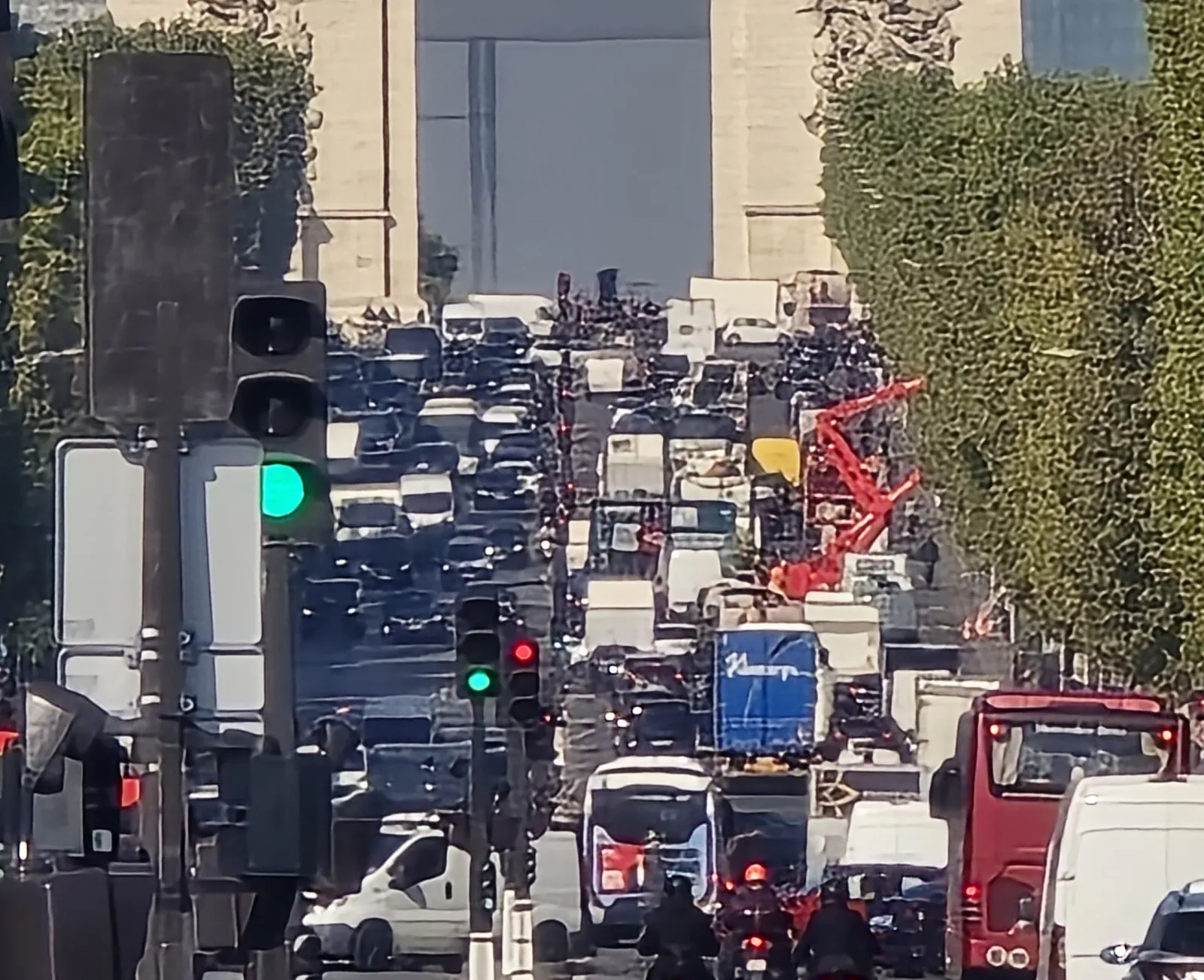
About 66,000 premature deaths per year. That’s the cost to Europe from long-term exposure to traffic noise, according to the European Environment Agency (EEA). This figure places it among the top three biggest environmental health threats on the continent today, alongside air pollution and extreme temperatures. A problem that has been treated as a mere nuisance for years turns out to be a measurable cause of disease. In addition to premature deaths, noise is responsible for around 50,000 new cases of cardiovascular disease and 22,000 cases of type 2 diabetes each year. And the number of Europeans exposed to it amounts to tens of millions. Participants at this year’s New Mobility Congress in Katowice, taking place from September 23–25, will discuss issues including urban noise.
In short:
Why noise made it to Europe’s top three health threats
Which source of noise is the biggest (and why it’s surprising)
How much does living in a noisy environment really cost us
How cities combat noise at its source
What role does electric mobility play
The topic will be discussed at KNM 2026 in Katowice
Noise – Europe’s third-largest environmental threat
The effects affect millions of people. Nearly 17 million Europeans suffer from chronic noise-related irritability, while 4.6 million experience severe sleep disorders. Studies also link it to depression, deteriorating cognitive functions, and even an increased risk of dementia. Children are particularly vulnerable: the EEA estimates that over half a million of them have reading difficulties due to this, and around 272,000 struggle with obesity. The mechanism is biological—the noise acts like a chronic stressor, triggering bodily reactions even during sleep when a person is consciously “not hearing” it.
The biggest source—is not aviation, but the road outside the window
Aviation noise usually generates the most excitement, but the scale of the problem lies elsewhere. According to the EEA, as many as 92 million Europeans are exposed to harmful road noise that exceeds the established limits (55 dB during day and night hours). For comparison, railways affect around 18 million people, while aviation affects 2.6 million. It is road traffic, especially in densely populated city centers, that constitutes the dominant and most widespread source of noise.
The World Health Organization (WHO) adds that negative health effects can occur at levels lower than the limits in many countries – meaning the actual scale of this issue is likely greater than what official noise maps show.
Night – when silence determines recovery
Nighttime noise is crucial. It disrupts sleep and the body’s recovery, and long-term exposure is linked to an increased risk of hypertension and cardiovascular diseases. The Noise Directive (END) sets a threshold of 50 dB for nighttime, but WHO recommends even lower values in its 2018 guidelines. This is why there is an increasing focus not on “limiting annoyance” but on protecting public health – nighttime noise is seen in this context as a medical issue rather than just one related to comfort.
Cost – over 95 billion euros per year
Living in a noisy environment also has economic implications. The EEA estimates that traffic noise causes 1.3 million years of healthy life lost annually in Europe, resulting in costs of around 95.6 billion euros – approximately 0.6 percent of Europe’s GDP. This scale means that silence is no longer just an aesthetic consideration but becomes a real expense in cities’ health and economic accounts.
Cities – tackling noise at its source, not just behind screens
European cities are increasingly tackling noise at its source rather than relying solely on sound barriers — which only provide localized protection and fail to address the issue in areas where people actually live. In practice, this means implementing Tempo 30 zones, quieter road surfaces, developing public transportation and cycling infrastructure, and designating “quiet zones.” The way urban space quality is evaluated is also changing. It’s no longer just about how quickly one can move through the city, but also about how noisy life is there. Reducing noise is beginning to be treated similarly to improving air quality or access to green spaces — as one of the conditions for a healthy city.
Poland – noise maps and Tempo 30 zones in practice
In Poland, tools for combating noise are already part of the law. Cities with more than 100,000 residents are required — under the EU Noise Directive (END) and the Environmental Protection Act — to create and update strategic noise maps every five years (formerly acoustic maps). These maps identify areas most exposed to road, rail, and air traffic noise and serve as the basis for environmental protection programs against noise. Meanwhile, an increasing number of Polish cities — from Warsaw to Kraków and Gdańsk — are expanding Tempo 30 zones and low-traffic areas, which reduce noise at its source rather than masking it with barriers. This shows that the concept of “designing for silence” is not an abstract idea in Poland but a real element of urban policy.
Electromobility – quieter, though not silent, transportation
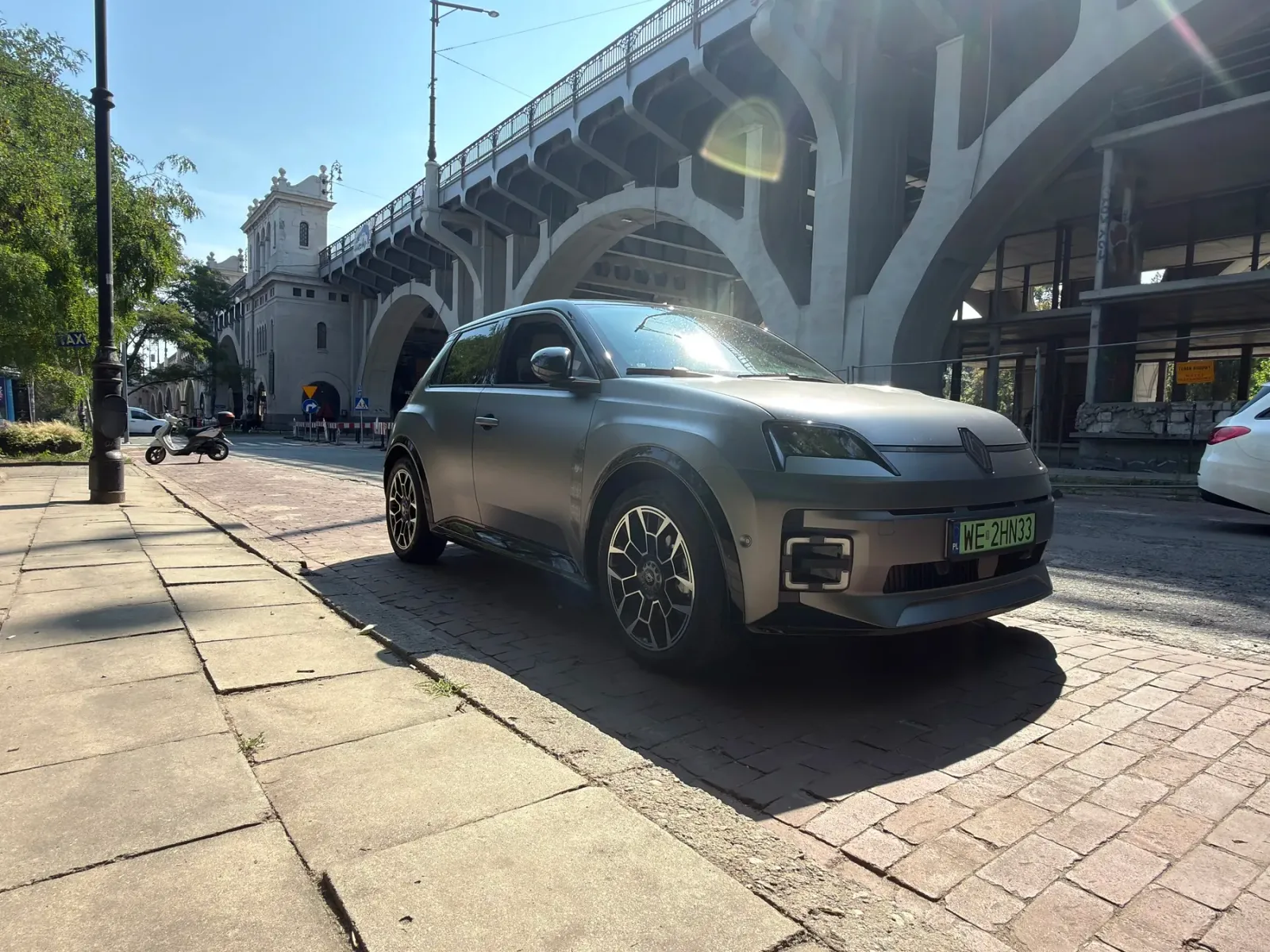
In this equation, the change in powertrains plays a crucial role. Electric vehicles are significantly quieter than gasoline-powered ones at low speeds typical of urban driving, as the noise from the engine is eliminated. This isn’t absolute silence: at higher speeds, tire and rolling noise become dominant. For pedestrian safety, electric vehicles must emit sound from their AVAS system at speeds up to about 20 km/h. Nevertheless, electrifying vehicle fleets actually reduces the acoustic background in cities—unfortunately, in the EEA’s optimistic scenario for 2030, one of the assumptions is exactly a 25% share of electric vehicles in road traffic.
Can silence be designed?
This question is being asked more frequently by urban planners, architects, and local governments. The EEA warns that at the current rate of change, the European Union will not achieve its goal of reducing the number of people chronically exposed to noise by 30% by 2030 (compared to 2017). Without additional regulatory and design measures, this target will remain out of reach. This means that combating noise will require not only new regulations but, above all, a different approach to designing mobility and urban spaces.
Noise as a Theme at the 2026 New Mobility Congress
This is why noise will be one of the topics at the 2026 Congress on New Mobility, held from September 23–25 in Katowice. Under the New Climate Policy & Health track, events include a keynote titled “New Urban Smog: Noise” and a panel discussion on “SUMP and Healthy Cities. How do mobility policies affect health, air quality, and quality of life?” The starting point will be a simple question: rather than protecting residents from noise, can we design cities to generate less of it?
Source: PSNM