
It has traveled 1,278 km using 7.51 kWh per 100 km: Volkswagen silences critics by introducing the world’s most efficient electric car
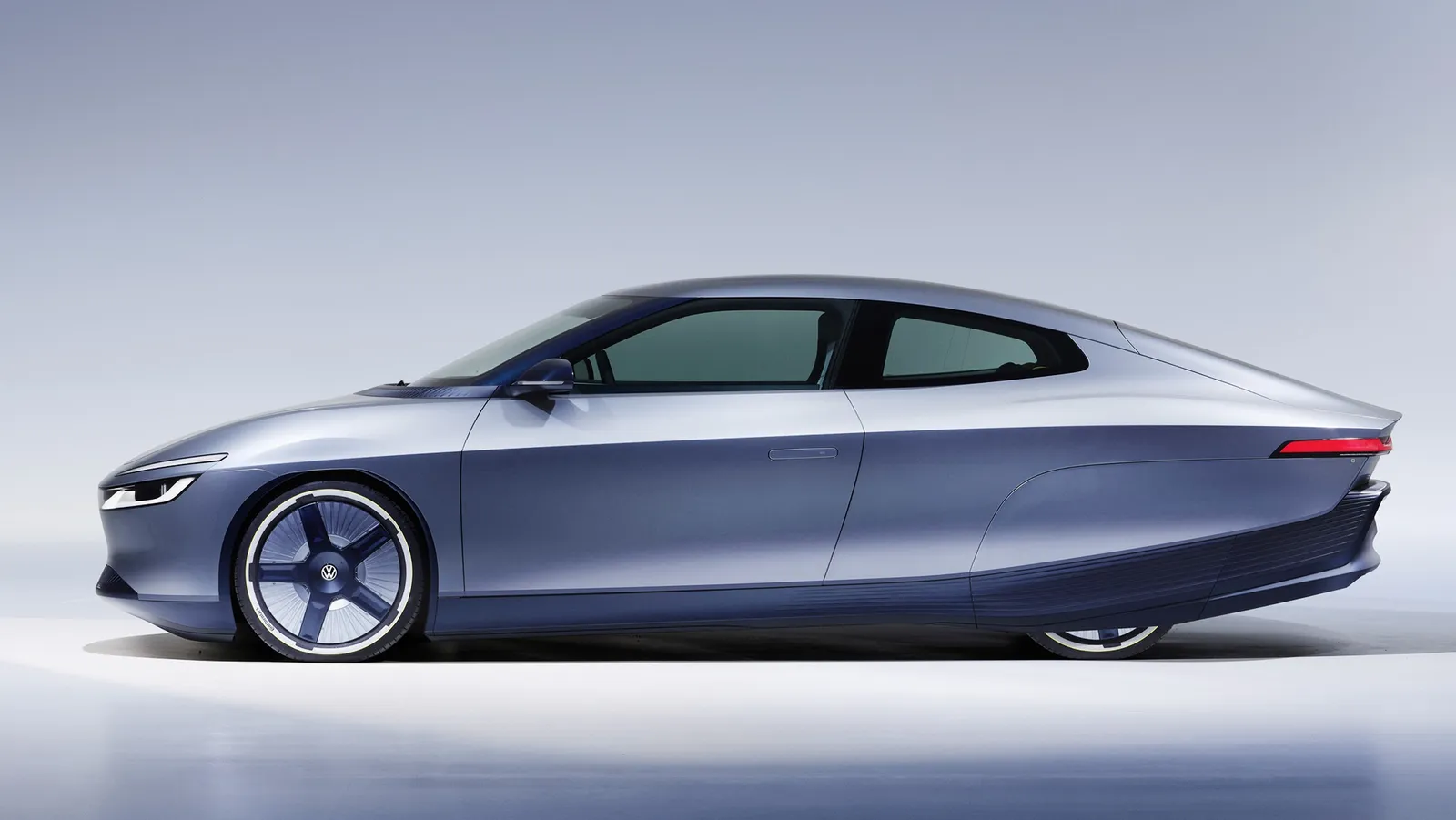
Just a few days ago, Volkswagen showed us the first images of a mysterious prototype it aimed to use to push the efficiency of an electric car almost to its limits. Now we know the result of what’s known as ‘Mission Efficiency,’ and the figures clearly explain why the company brought back the spirit of the legendary XL1 for this project. In fact, the new vehicle has managed to set three efficiency records.
Volkswagen describes it as the most efficient electric car ready for production in the world. What’s interesting is that it isn’t a completely separate laboratory project from its road-going models. The prototype uses a 54.9 kWh battery and a propulsion system derived from the new Volkswagen ID. Polo, combined with a body design specifically developed to minimize aerodynamic resistance.
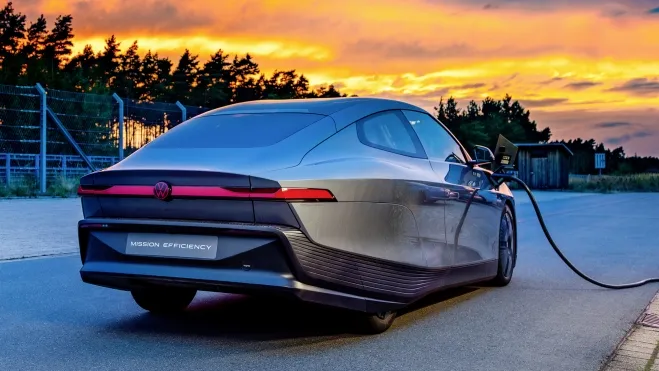
Only 7.51 kWh/100 km on a 1,278 km journey
The first of the three records relates precisely to its body design. Mission Efficiency has achieved an aerodynamic coefficient of just 0.158 cx, setting a new standard among vehicles approved for road use. For comparison, this is even better than the outstanding 0.189 achieved over a decade ago by the legendary Volkswagen XL1.
The second record was set in a test conducted under ideal conditions. Maintaining a constant speed of 68 km/h, with no elevation changes and despite peripheral loads such as air conditioning, the car required only 6.48 kWh per 100 km. This is less than half of what many of the most efficient electric vehicles currently available on the market consume.
But perhaps the third figure is the most interesting as it moves beyond those ideal conditions. Volkswagen conducted an officially documented fuel consumption test over 1,278.36 km, starting from its development center in Wolfsburg and passing through cities such as Poznań in Poland and Olomouc in the Czech Republic before finally reaching Vienna.
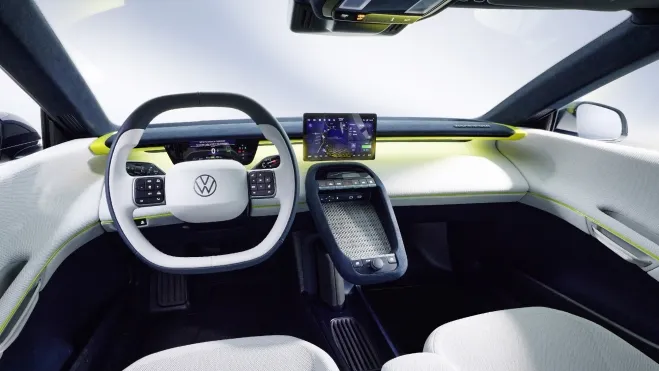
Mission Efficiency completed the journey with an average consumption of only 7.51 kWh/100 km, including losses during charging. Excluding those losses, the vehicle used 6.89 kWh/100 km. The average speed was 67.72 km/h, with a maximum speed reaching 138 km/h.
A 54.9 kWh battery and just one charging stop
Perhaps the factor that best illustrates its efficiency is the size of the battery. Volkswagen didn’t need to install a massive 100 kWh battery pack to complete this journey. Mission Efficiency has only 54.9 kWh of net capacity and required charging just once during the over 1,278 km test distance.
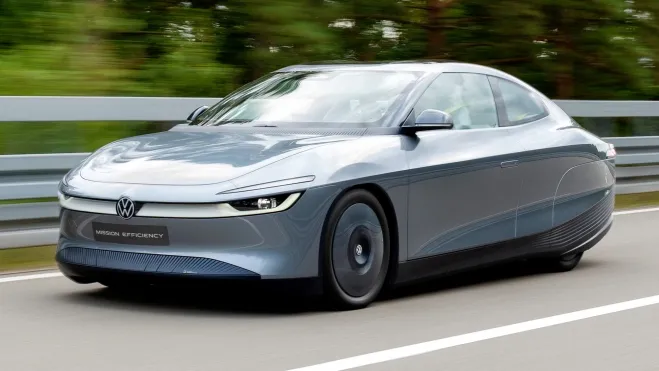
The connection to the new Volkswagen ID. Polo is particularly important. The Mission Efficiency uses a propulsion system based on that of the electric utility vehicle which Volkswagen has just put into production in Spain. Obviously, the spectacular fuel consumption of the prototype depends heavily on its extreme aerodynamics and cannot be directly applied to the ID. Polo, but it shows how far electric technology designed for mass-produced vehicles can go.
The spiritual successor to the Volkswagen XL1
The philosophy inevitably reminds one of the Volkswagen XL1 that the company produced between 2014 and 2016, which many owners still use occasionally. That small two-seater vehicle weighing only 795 kg combined a 2-cylinder TDI diesel engine with 48 HP with an electric motor producing 27 HP and a 5.5 kWh battery. Its carbon fiber body achieved an extraordinary Cd value of 0.189.
The result was one of the most efficient production cars ever built. It consumed just 0.9 l/100 km under the old NEDC cycle, could travel about 50 km using electricity alone, and had a total range of over 500 km despite having a fuel tank capacity of only 10 liters.
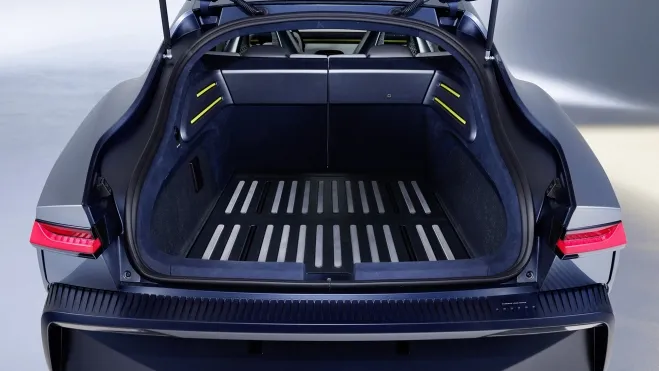
Mission Efficiency brings that same focus to the era of electric cars. Volkswagen has not confirmed that this prototype will become a production model and continues to classify it as a concept vehicle. Its significance lies more in the solutions that may eventually make their way into future models of the brand.