
It has dropped by 20%, but Toyota remains the most valuable car brand in the world—surpassing Mercedes—thanks to its hybrids.
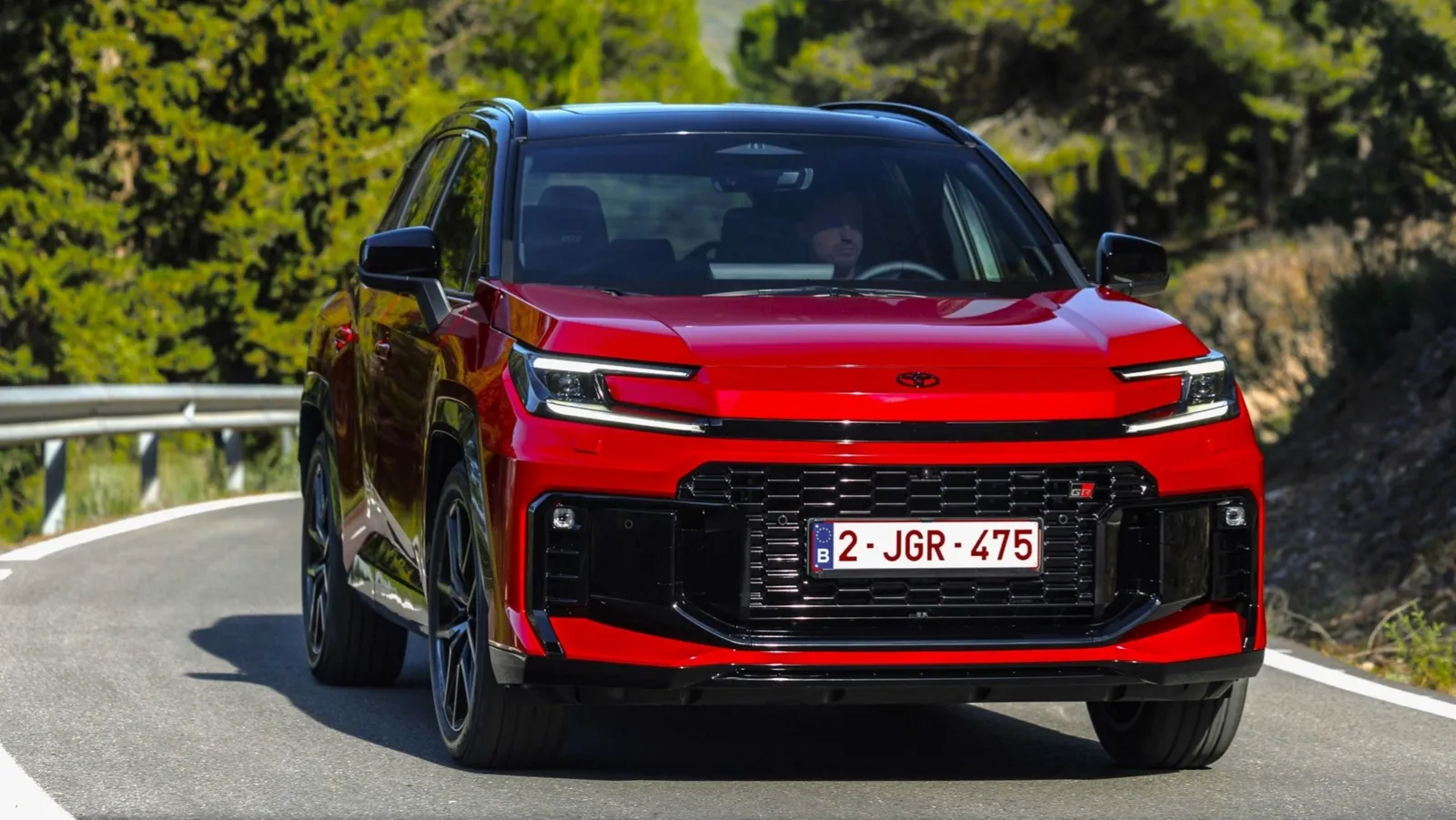
If AI and technology are the big bets of the modern world, hybrids are the big bets in the automotive industry. This trend is reflected in the latest edition of the prestigious Interbrand report, whose 2026 version was just released.
This report, which identifies and evaluates each of the 100 most important brands in the world—regardless of whether they manufacture computers, cars, or sell online—has once again named Toyota as the world’s most valuable car brand. We’ll tell you about its plan to expand further thanks to its hybrid vehicles, putting it ahead of Mercedes—whose best electric cars are extremely successful—and BMW. It also solidifies its position as the 9th most valuable brand globally. Yet its valuation dropped by 20% in just one year.

Apple leads, Toyota dominates in cars
While Toyota tops the list as the world’s most valuable car brand, Apple leads among all brands overall, with an estimated value of $514.600 billion or €462.300 billion. Its value increased by 9.3%, putting it ahead of Microsoft, which saw a 14.2% rise from last year and is valued at $443.000 billion, as well as Google, whose value surged by 22.8% compared to 2025, amounting to $389.300 billion if it were possible to purchase it.
Toyota remains this year as the 9th most valuable global brand and the leader in the automotive sector. With a value of $59.5 billion or 53.4 billion euros, it far outpaces Mercedes-Benz, which is in 20th place with a value of 36.622 billion euros, and BMW, which is in 22nd place and has a value of “only” 34.470 billion euros according to this report.
How is the value of each brand calculated?
Interbrand creates its report based on a thorough financial analysis as well as an assessment of perceived success, evaluating essentially three key factors:
The first is the financial performance of the brand in question, which involves calculating revenues and financial projections for its products or services. The second is the role of the brand in the market, indicating its share in consumer choices; here, Toyota leads far ahead in the global market for those seeking hybrid cars.
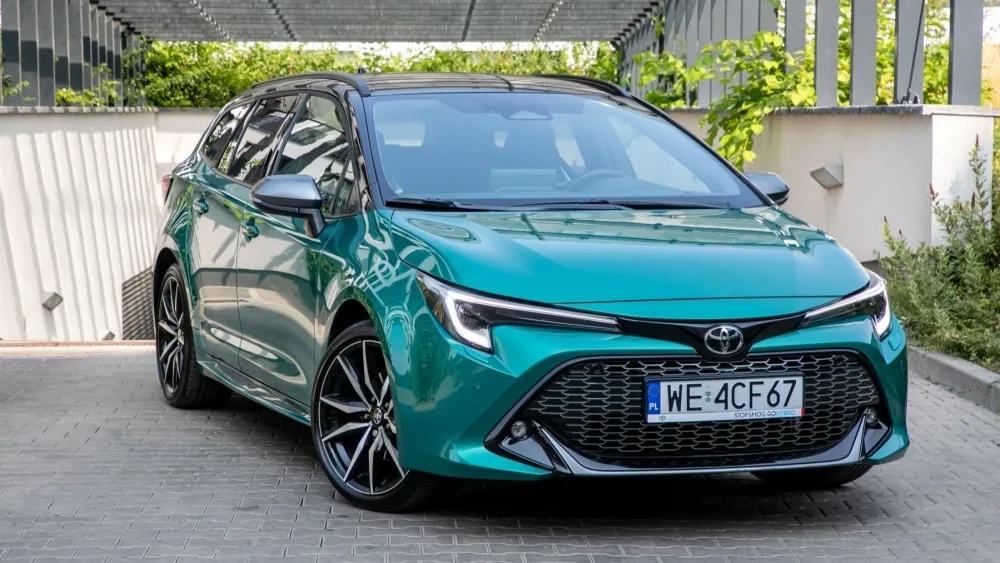
Lastly, this report assesses brand strength, which measures a brand’s ability to secure customer loyalty—thanks to its leadership in hybrids, Toyota adds to its well-deserved reputation for reliability—and generate future profits. It does this based on factors such as leadership (again, in hybrids), stability, market presence, and the ability to respond to trends. And once again, Toyota—though slowly—is also establishing itself as an electric vehicle manufacturer.
Considering all of the above, the final brand value for this study is calculated by combining the expected financial benefits with the company’s influence percentage and its market strength level.
But be careful, as Toyota can lose 20% of its value in just one year.
Well, Toyota once again tops the list of the world’s most valuable car brands. As we’ve seen, this is thanks to its leadership in the hybrid market: in fact, according to Interbrand’s own report, the Japanese manufacturer “is making significant strides in developing eco-friendly cars that will help us become a low-carbon society.”
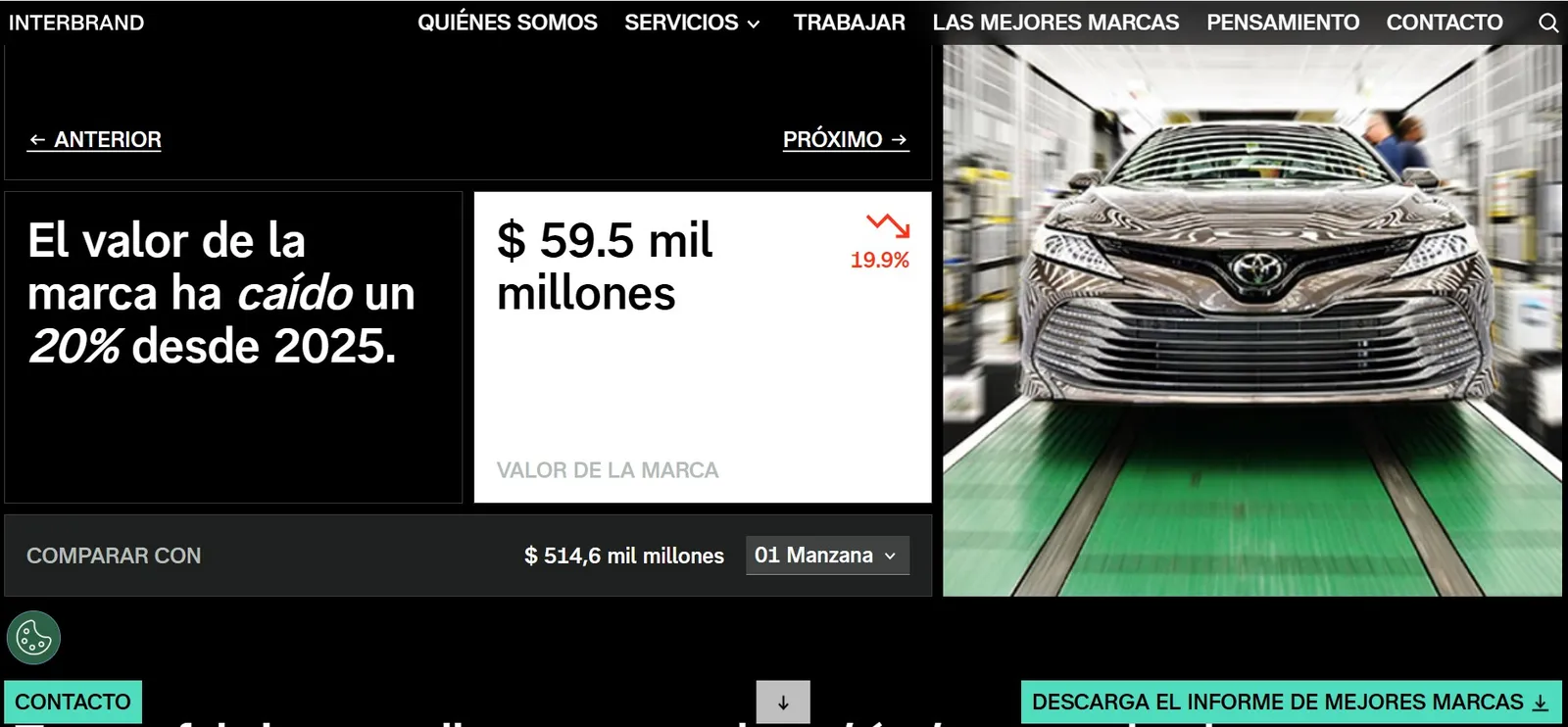
Yet that doesn’t mean the world’s top automaker hasn’t lost 20% of its value over the past year—since the release of the Interbrand 2025 report—to be exact, 19.9%. And note that Mercedes also dropped by 18.6% while BMW fell by 17.9%.
Thus, it’s not the case that Toyota has fallen on its own, by any means. Rather, the Japanese manufacturer reflects a common trend in the Western automotive industry.
According to several experts, this trend highlights the difficulties faced by any Western brand today in competing with Chinese manufacturers, as well as in differentiating themselves through new mobility and technology offerings; especially regarding the latter, since the adoption of electric vehicles is progressing more slowly than expected.