
GSR2. Mandatory functions in new cars starting July 7 and new regulations regarding autonomous driving
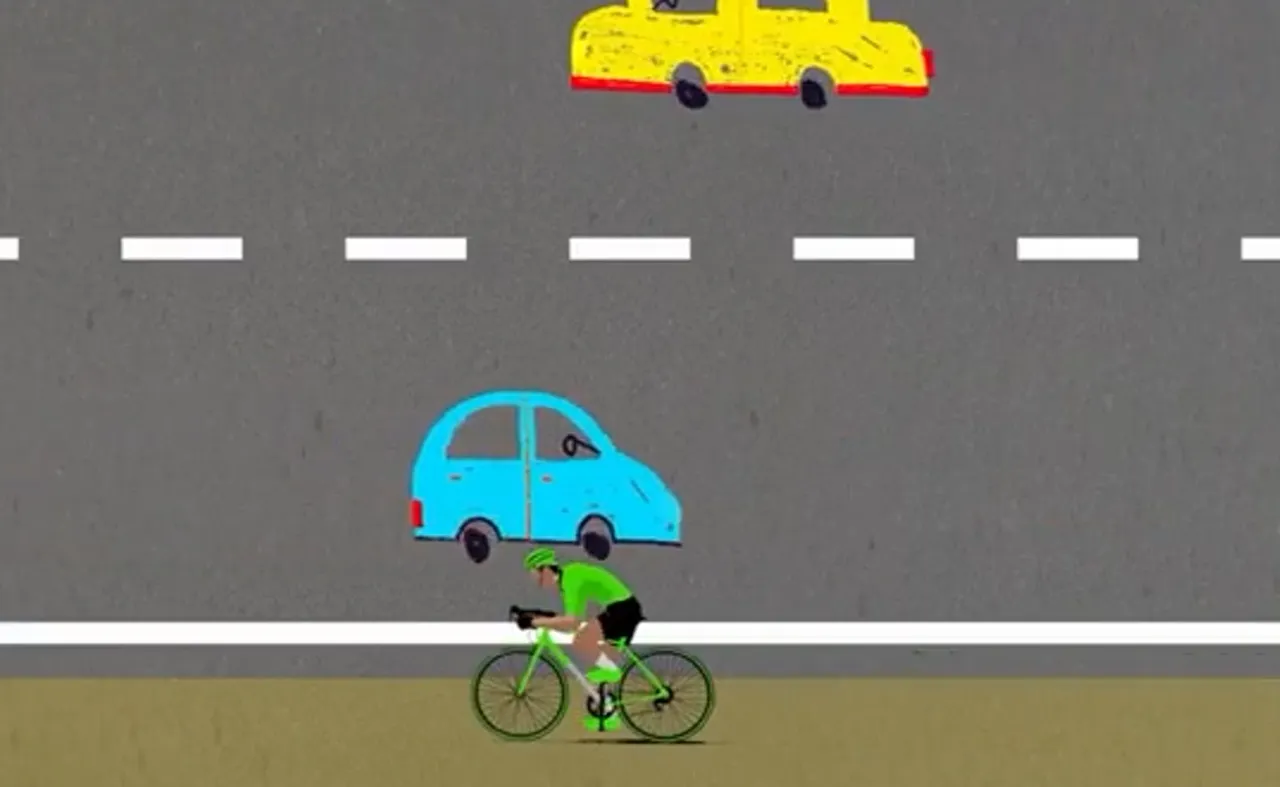
Since 2022, the European Union has been implementing the General Safety Regulation 2 package, with the third wave of mandatory regulations taking effect on Tuesday, July 7. Starting from that day, all new cars will have to feature front windows that provide better protection for pedestrians in the event of a collision, their tires will need to be homologated under new rules, and drivers (especially of vans and SUVs) will have to ensure adequate visibility ahead of their vehicle.
GSR2, General Safety Regulation 2 effective from July 7
The relevant regulation was established in November 2019 (source), coming into effect in stages: in 2022, in 2024, and now on July 7, 2026. Its goal was to reduce road deaths in the EU by 25,000 and prevent 140,000 cases of serious injuries by 2038. By 2050, Vision Zero aims to bring both of these figures to zero. Earlier, mandatory elements included things like black boxes and reverse warning systems. Starting Tuesday, July 7, new cars must (source):
have emergency braking systems that detect pedestrians and cyclists,
be equipped with systems to alert drivers when they are distracted,
provide better visibility ahead,
have tires certified according to new testing standards.
It features front windows with a larger protective area in the event of a collision with a pedestrian.
Advanced emergency brake detecting pedestrians and cyclists
Advanced driver distraction warning system
Better forward vision
New tests for worn tyres
Expanded safety glass area designed to protect pedestrians during accidents pic.twitter.com/fv4YUekxG6
— European Commission (@EU_Commission) July 5, 2026
All the new electric vehicles we know of that are sold in Europe already come equipped with these features and technologies, though one can learn a harsh lesson about this from certain brands (annoying beeps and clicks accompanied by messages that disappear before one can read them; Hyundai, Kia, Chinese manufacturers – we’re watching you!). German manufacturers seem to have handled such notifications best, as the sounds form a cohesive symphony, the alerts are easy to read, and the beeps can be silenced with a simple click.
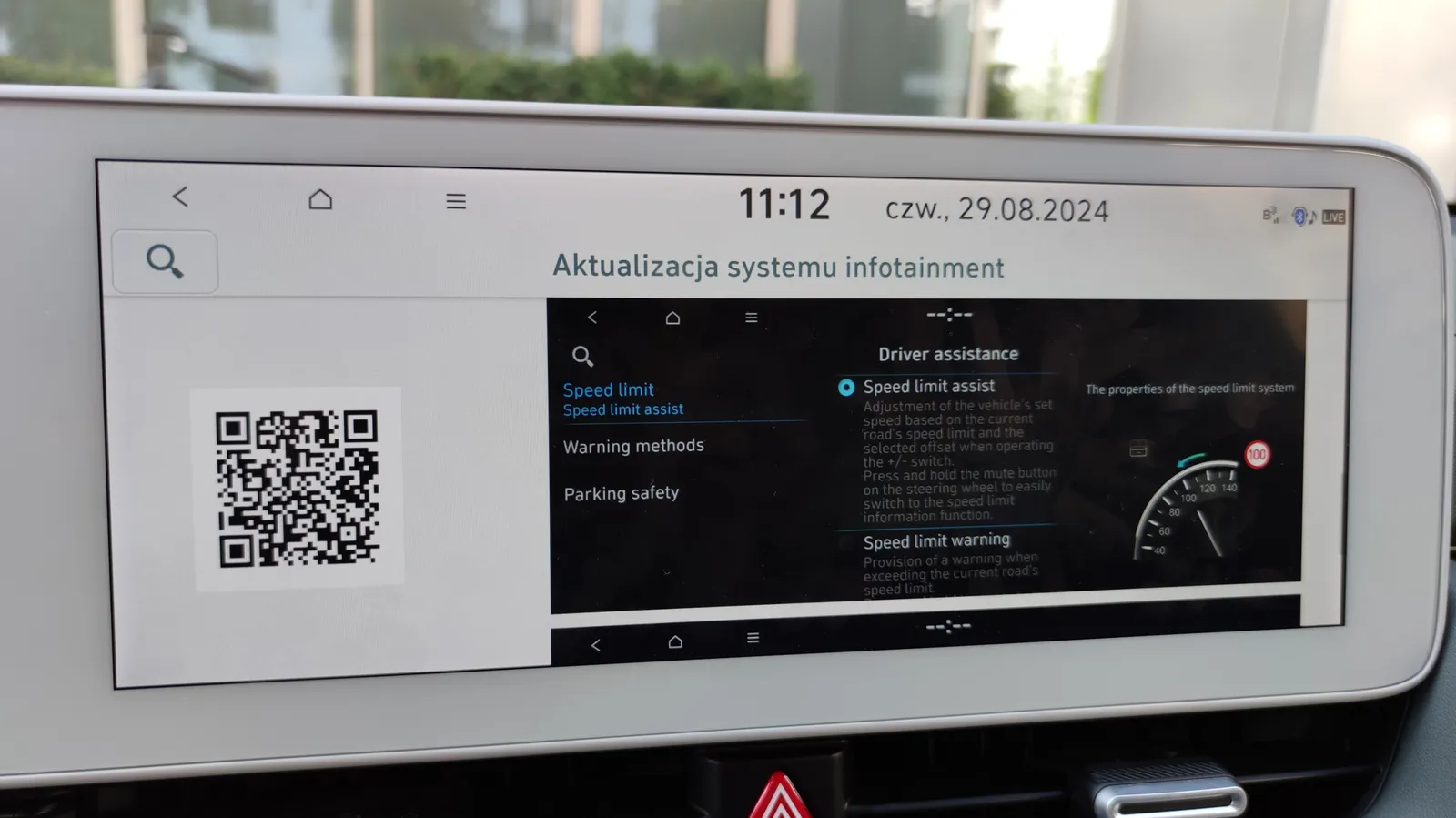
In many newer cars, manufacturers realized that beeping is annoying, so they added the option to silence it by pressing a button on the steering wheel or screen.
The European Union now requires that tire noise and traction be tested also at the end of their lifecycle. Tires must maintain their declared specifications so that car owners do not need to replace them too frequently (point 28).
Under the new EU regulations, the set of UNECE rules (United Nations Economic Commission for Europe; not to be confused with the European Union) regarding the certification of autonomous vehicles finally comes into effect. This serves as a framework, a set of regulations that clearly states to manufacturers what requirements they must meet in order to apply for and obtain approval in Europe for autonomous driving systems. The European Union accepts regulations based on separate rules.
The regulations do not apply to Tesla’s FSD (Supervised) system, as it is not an autonomous driving system.
Article Rating
Reader Ratings
[Total: 3 votes Average: 5]
Don’t miss new content—CLICK and FOLLOW Elektrowoz.pl on Google News. You might also be interested in the following ads: