
The Polsat Plus group is starting to produce electric buses alongside the hydrogen-powered NesoBus. So has this information reached local governments?
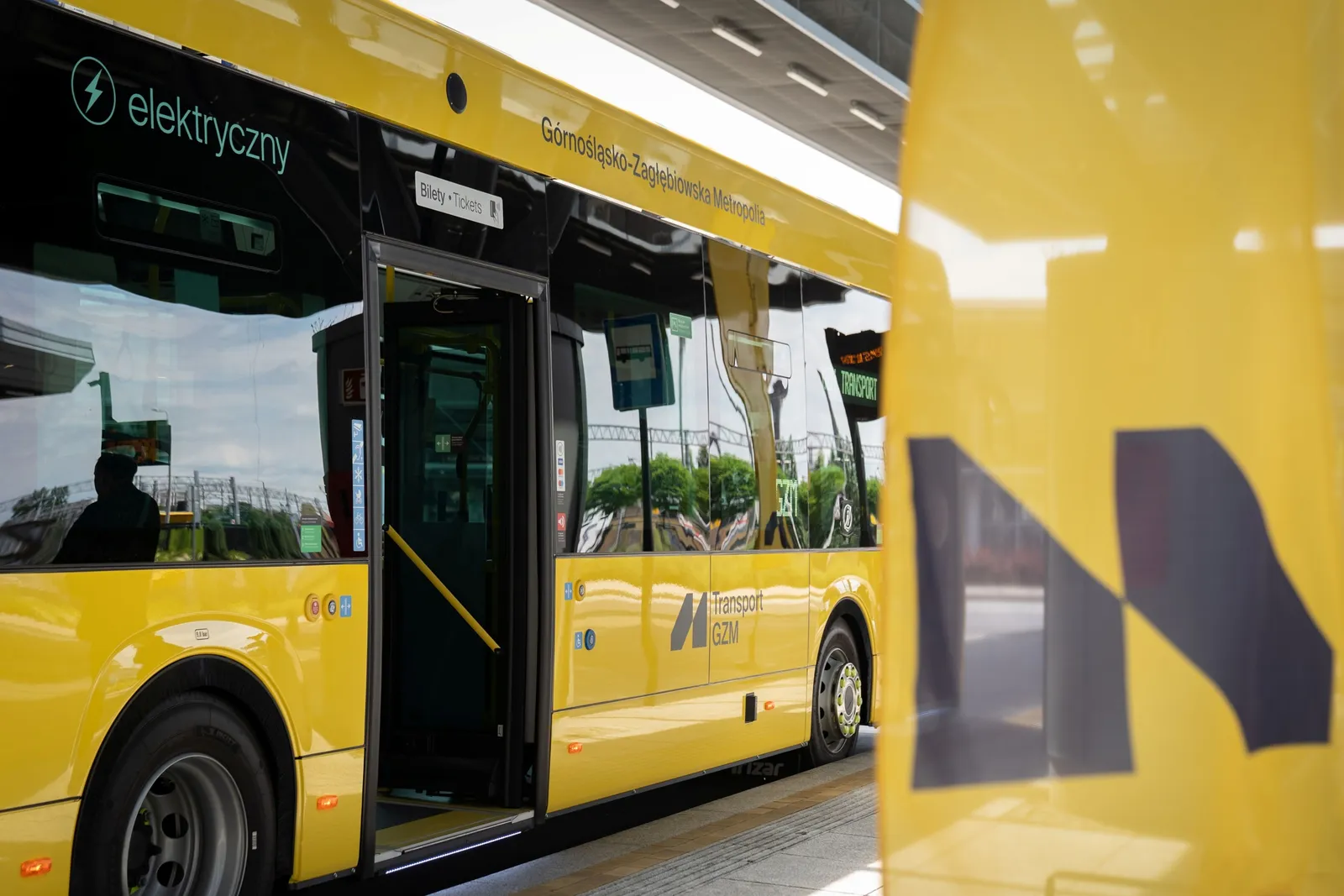
PAK-PCE Polski Autobus Wodorowy, a company part of the Polsat Plus Group, has begun producing electric buses. These buses will leave the factory in Świdnik, and their designs had to be finalized long ago, as the delivery of the first 9 units to PKM Świerklaniec is scheduled for the first quarter of 2027. This indicates that local governments seem to have realized that only the wealthiest cities in Poland, such as Wałbrzych and Chełm, can afford hydrogen. Those who prefer to save money opt for electric buses.
Won’t electric buses also be called “Neso” since they don’t emit exhaust fumes and improve air quality?
The news about Grupa Polsat Plus is encouraging for several reasons. The company had been producing hydrogen for business purposes—by using biomass at the Pątnów-Adamów-Konin power plant complex, which also belongs to the group—but biomass has recently become more expensive. Moreover, burning it hasn’t become zero-emission just because the European Union said so. More expensive fuel for boilers means more costly hydrogen, which could directly affect the budgets of local governments using hydrogen buses once their current contracts expire. That’s one reason.
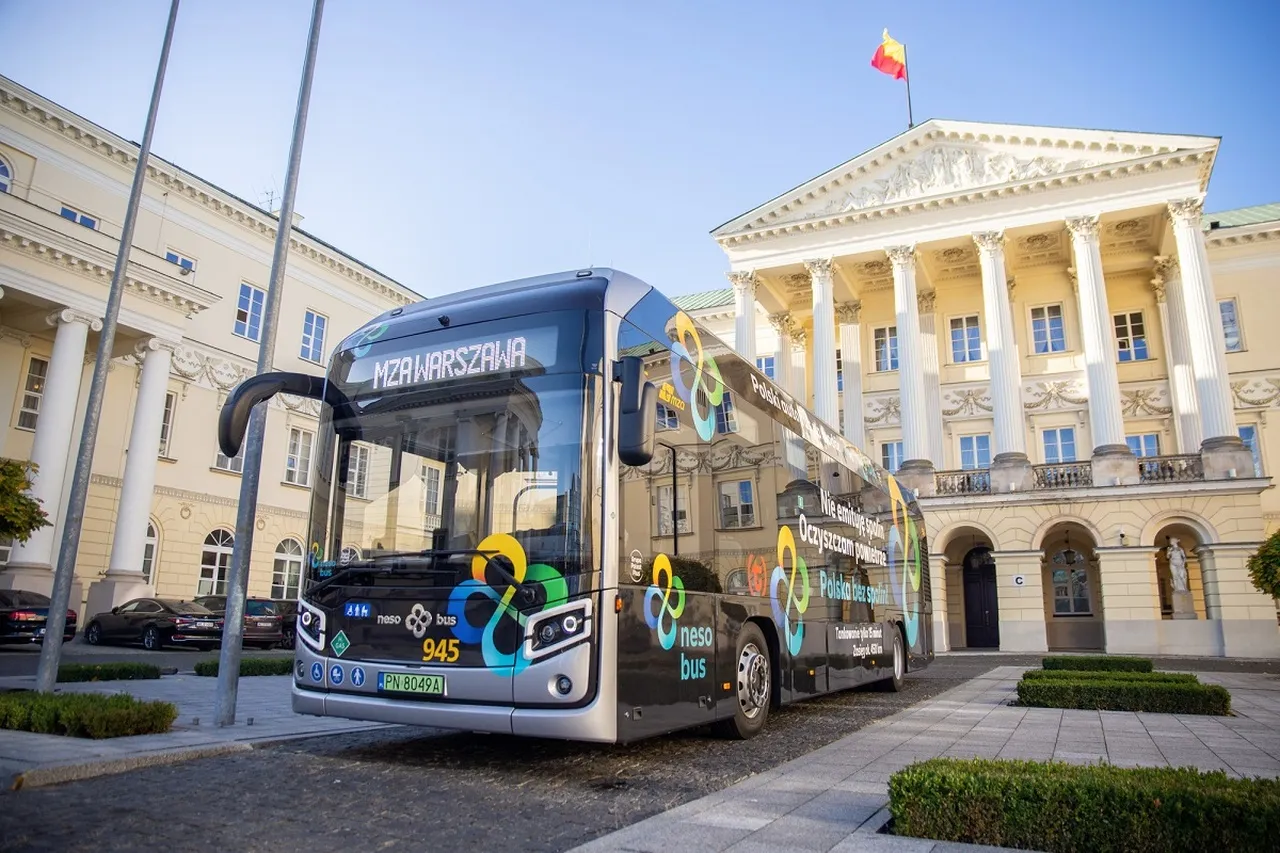
The hydrogen-powered NesoBus displayed in Warsaw (c) PAK-PCE Polski Autobus Wodorowy / Grupa Polsat Plus
The second, more subtle message is the growing wisdom of local governments. The aforementioned PKM Świerklaniec operates within the Silesian Metropolitan Region (GZM), which has received a total of 8 hydrogen buses. The same GZM purchased 73 electric buses in the past and has even ordered 9 more from Grupa Polsat. Thus, the ratio of hydrogen buses to those with cheaper and more reliable propulsion systems will be 1:10, and given the contract just signed, the number of electric buses could increase further in the future.
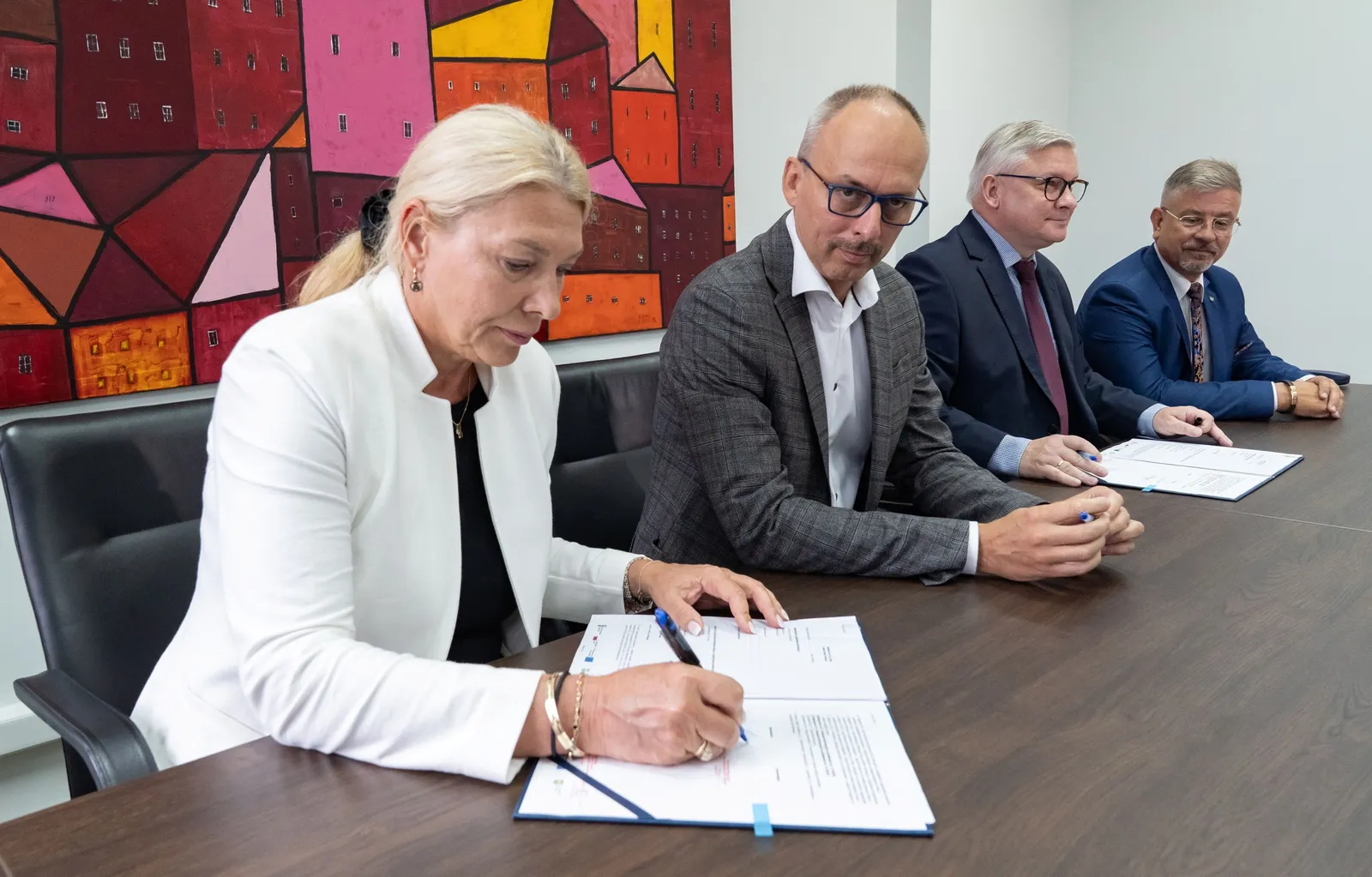
Signing of the contract for the supply of electric buses. From left: Katarzyna Sobierajska, board member of PAK-PCE PAW, Maciej Nietopiel, chairman of the board of PACK-PCE PAW, Igor Śmietański, vice-chairman of the board of GZM, Waldemar Bojarun, board member of the Silesian Voivodeship
The third point offers a broader perspective on the economy: after selling Solaris, Poland essentially lost its own electric bus manufacturer that was trusted in the industry, although fortunately the Spanish CAF group did not shut down the factory in Bolechów. Polsat Plus Group stepped into this segment, starting with FCEV buses and now smoothly expanding production to include electric buses. Those delivered to PKM Świerklaniec will be 12-meter long, low-floor buses equipped with batteries holding 515 kWh of capacity, allowing them to travel up to 350 kilometers on a single charge. The vehicles will arrive along with four chargers featuring eight charging points, with capacities of 80 kW (1 unit) and 120 kW (3 units).
Article rating
Reader ratings
[Total: 3 votes Average: 3.7]
Don’t miss new content—CLICK and FOLLOW Elektrowoz.pl on Google News. You might also be interested in the following ads: