
Green Party leader Banaszak calls for a transport revolution and new incentives for electric cars
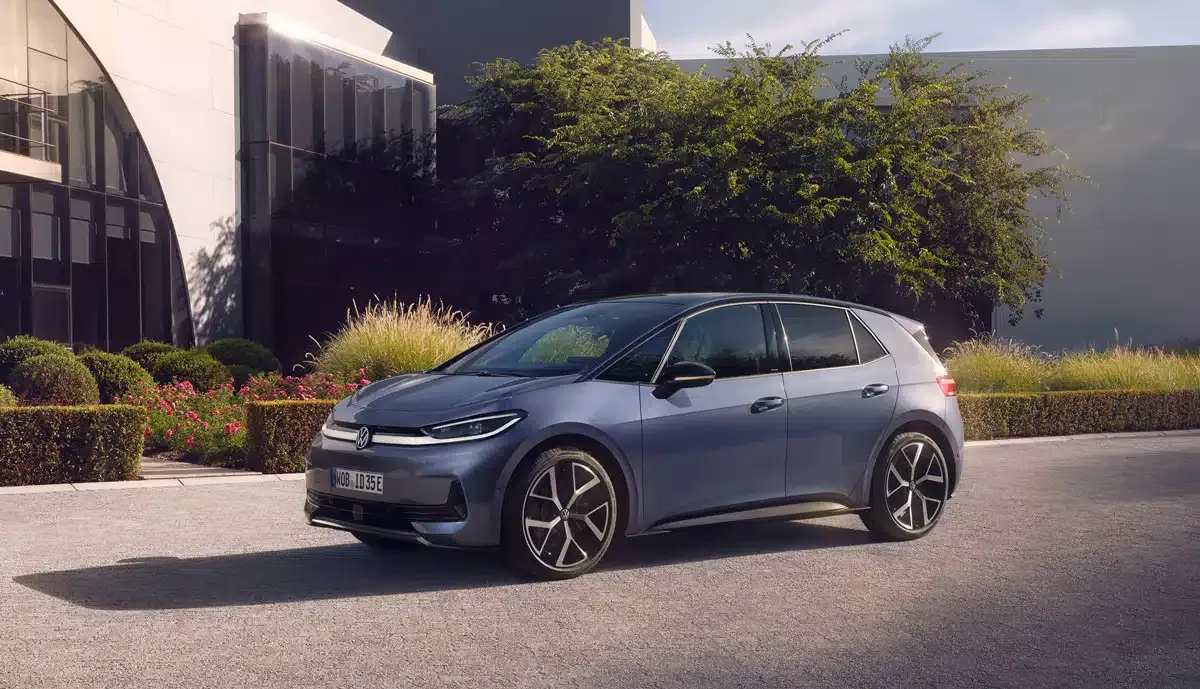
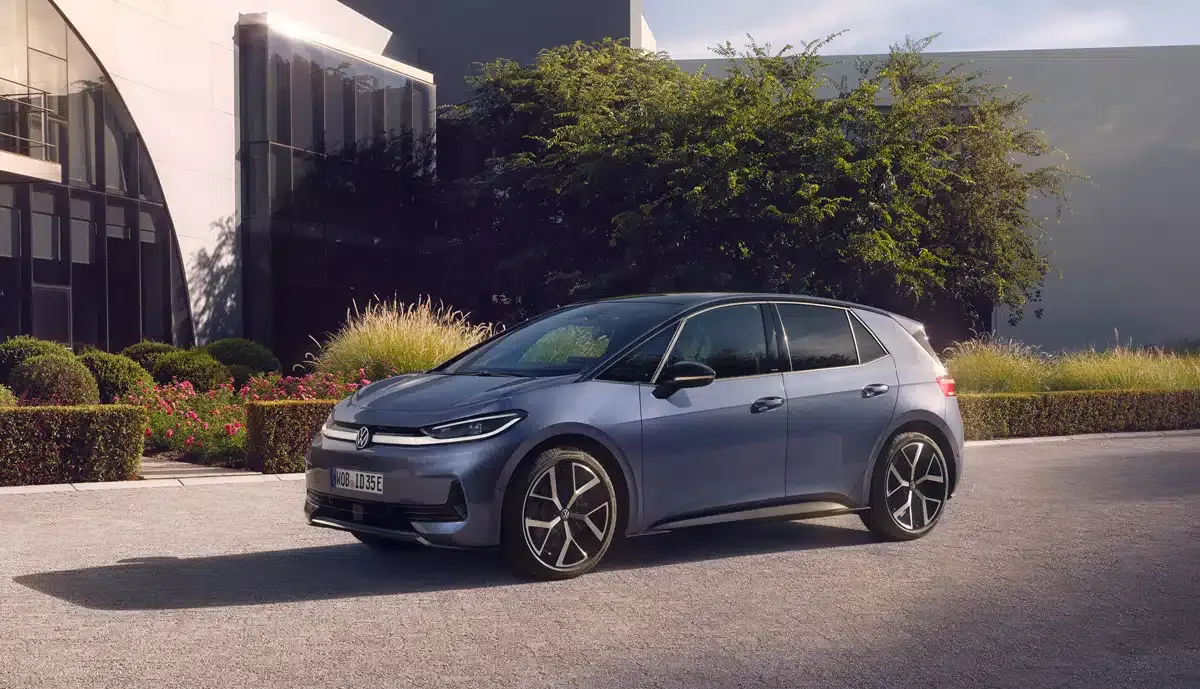
Image: VW (illustrative)
Felix Banaszak, the federal leader of the Greens, aims for a shift in transportation policy based on expanding electric mobility and strengthening public transit, trains, and bicycles, according to an interview with Auto Motor und Sport. The goal is a fair distribution of road space to improve safety for cyclists while reducing traffic congestion through fewer car trips. Free choice among different modes of transport is intended to ensure mobility for all citizens.
The German economy is in a structural crisis because its existing business model no longer works, and there has been no economic growth since 2019. Banaszak views climate change as a threat to prosperity, arguing that economic damages will increase without appropriate climate protection and adaptation measures. To boost competitiveness, he calls for lower electricity prices and consistent investment in the future.
Regarding bureaucracy, Banaszak acknowledges inefficient regulations but opposes lowering social and environmental standards. He sees potential for European legislation, such as in standardizing charging standards for mobile phones.
The German automotive industry has lost ground to Chinese competitors in electric mobility by focusing on outdated technologies such as diesel engines, according to the Green Party politician. To support the industry, Banaszak suggests considering more generous deferral rules for CO2 penalty payments or offsetting them with additional corporate investments. At the same time, fleet emission limits must be upheld.
Greater independence from China
In regards to trade relations with China, Banaszak warns against excessive dependence and calls for a robust European economic policy as well as the use of trade tools such as tariffs to counter price distortions. Another focus is on ensuring technological resilience through European production of key technologies like battery cells, semiconductors, and robotics. The Green Party criticizes German policy for being too naive toward China and emphasizes the need to avoid dependencies in strategic areas.
To achieve affordable mobility, Banaszak suggests expanding the government’s electric car purchase subsidy to the used car market and introducing “social leasing” programs modeled on the French system for purchasing small or medium-sized cars. He also proposes a “Germany Charging Infrastructure Ticket” — a card that allows charging at any charging station in Germany at reduced prices. Additionally, he recommends a “happy hour” for cheap electricity to encourage the use of solar power.
The shift to electric mobility is pointless if electricity is generated from fossil fuels, emphasized the Green Party politician. If emissions reduction through electric vehicles is to increase, the share of electricity from renewable sources must be raised. “One can block, stifle, or slow down the energy transition, as Katherina Reiche and Friedrich Merz have done. Or one can accelerate it,” said Banaszak. Digitalization, expansion, and standardization of power grids, promotion of smart meters, or development of energy storage systems are examples of this. This is “the conflict between the fossil fuel past and the electric future.”
Also interesting
About the author
Thomas Langenbucher is an expert in electromobility with professional experience in the automotive industry and finance sector. Since 2011, he has been covering electric vehicles, sustainable technologies, and mobility solutions for ecomento.de. Learn more.
Reader interactions