
UK launches consultation on mandatory electric vehicle sales
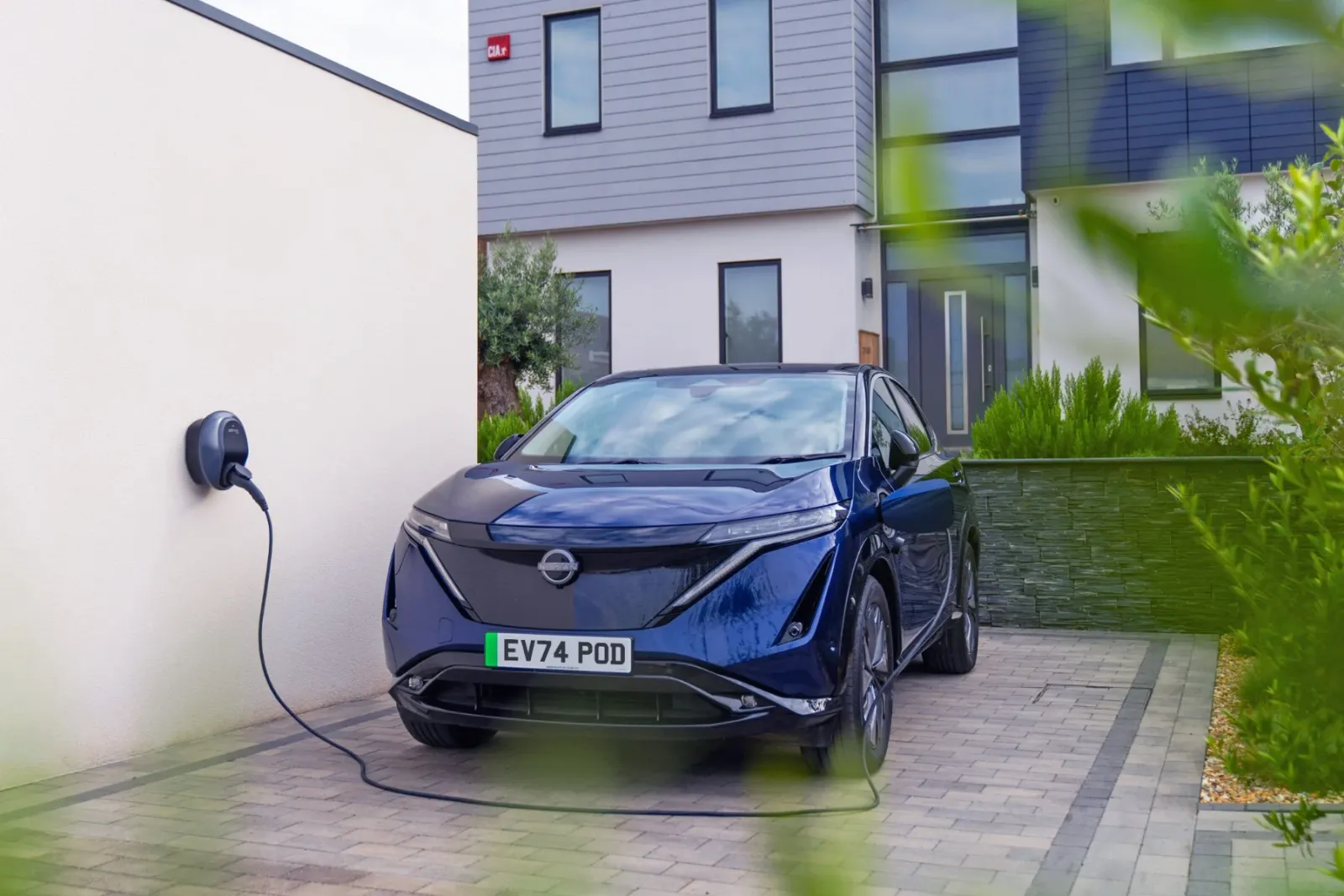
The British government has launched a review of the ZEV mandate to potentially relax the electric vehicle sales targets for the period from 2027 to 2035. As part of the consultation, automakers, industry stakeholders, and other interest groups have two months to formally submit their views.
Since 2024, the UK has failed to meet its extremely ambitious and increasingly stringent electric vehicle sales targets under its ZEV mandate. This has been causing unrest in the industry for some time now. The government is responding by initiating a consultation as part of a broader review of the regulations, even under the previous Prime Minister Keir Starmer, to give the automotive industry and other interest groups a chance to be heard. For the UK’s new Prime Minister Andy Burnham, this consultation marks the first political action related to the automotive industry.
And that’s the point: The ZEV requirements were introduced in 2024, with manufacturers required to ensure that 22 percent of all passenger car sales consist of electric vehicles. This figure rose to 28 percent in 2025 and is currently at 33 percent. The target for next year is 38 percent, after which it will rise sharply to 52 and 66 percent in 2028 and 2029, respectively — reaching 80 percent by 2030. No specific targets have been set for the years between 2030 and 2035 at this time. However, a de facto ban on internal combustion engine vehicle sales is expected to take effect by 2035.
The focus of the consultations scheduled until October 23 is the target years from 2027 to 2035. Rumor has it that the government is quite willing to weaken the ZEV mandate during these years: The “Sunday Times” reported in mid-June that there are discussions about reducing the sales targets for electric cars under pressure from industry and trade unions. The requirement that 80 percent of new car sales must be electric vehicles by 2030 is said to be intended to be lowered to 50 percent. However, this initiative was previously attributed to Keir Starmer, who has since resigned.
British media and websites report that nearly the entire British automotive industry believes the current requirements are simply unattainable. The Society of Motor Manufacturers and Traders (SMMT) shares this view, arguing that while the regulations can force supply but not demand, automakers are thus pressured to spend billions on discounts and similar measures to artificially boost demand. This is not a sustainable business model, says Mike Hawes, SMMT’s CEO.
The actual sales figures are also not growing as rapidly as they should according to the ZEV mandate: The latest SMMT statistics show that electric vehicles account for a quarter of total registrations in the UK, but they should make up one-third to allow for a healthy market to develop.
The government is now approaching the industry, emphasizing its desire to ensure that the targets set in the ZEV mandate for the share of electric vehicles in sales “remain economically sensible and realistic.” The consultation aims to get manufacturers, suppliers, charging station operators, dealers, and consumers to contribute their views on how the planned phase-out of purely internal combustion engines can be achieved.
A relaxation of the regulations is considered likely in the UK, but it is not guaranteed. British Transport Secretary Heidi Alexander views the country’s electric vehicle market as strong: “Sales are rising, British manufacturers and charging station operators are investing billions, supported by our £7.5 billion in aid—including our electric vehicle subsidy, which has helped over 160,000 people make the switch.” However, it is right to review the targets regularly, says Alexander. It must be ensured that they are realistic and support the British industry. And: “The ultimate goal doesn’t change—but we need to keep the economy on board along the way, and that’s exactly what we’re doing today by ensuring the industry has a chance to shape how we get there.” With that she
Alexander also confirmed that the sales ban on internal combustion engines by 2035 should remain unchanged.The long-awaited and now underway consultations are welcomed by the industry, particularly by the SMMT: “We welcome the government’s consultation on the ZEV targets and how they should be adjusted to better support the transition in the United Kingdom. The industry continues to fully commit to a zero-emission future and is investing billions in new technologies, products, as well as—along with the government—in incentives for consumers. However, the regulation was designed under very different conditions—with lower energy prices, rapidly falling production costs, and more optimistic expectations regarding global demand,” said Mike Hawes in his official statement.
But other voices are also speaking out: Vicky Edmonds, CEO of the Electric Vehicle Association (EVA) England, for example, says, “The government should honestly investigate why demand for electric vehicles has not grown as quickly as expected. However, the solution lies not in lowering the ambitions of the ZEV target, which was absolutely crucial for creating a market for electric vehicles that people want to buy. Instead, the barriers preventing drivers from making the switch need to be removed.”
Gurjeet Grewal, CEO of Octopus Electric Vehicles, is one of the few supporters of current regulations: “The ZEV mandate works — it gives manufacturers the confidence to invest and drivers the confidence to switch. Weakening this mandate would send the wrong signal at a time when electric vehicles are among the cheapest cars on the road.”
In their original version introduced in 2024, the ZEV requirements are actually no longer applicable at this point. In the meantime, the fines for non-compliant vehicles imposed on manufacturers have been reduced from 15,000 to 12,000 pounds. Moreover, OEMs have been given greater flexibility in meeting these requirements, much like EU manufacturers. As a result, sales can now be reported over several years in aggregate.
Source: Information via email, autocar.co.uk, fleetnews.co.uk, gov.uk, smmt.co.uk, smmt.co.uk (Mike Hawes), facebook.com (EVA)