
GridX and Leap24: Fast charging at 142.8 kW despite a 50-kW grid connection
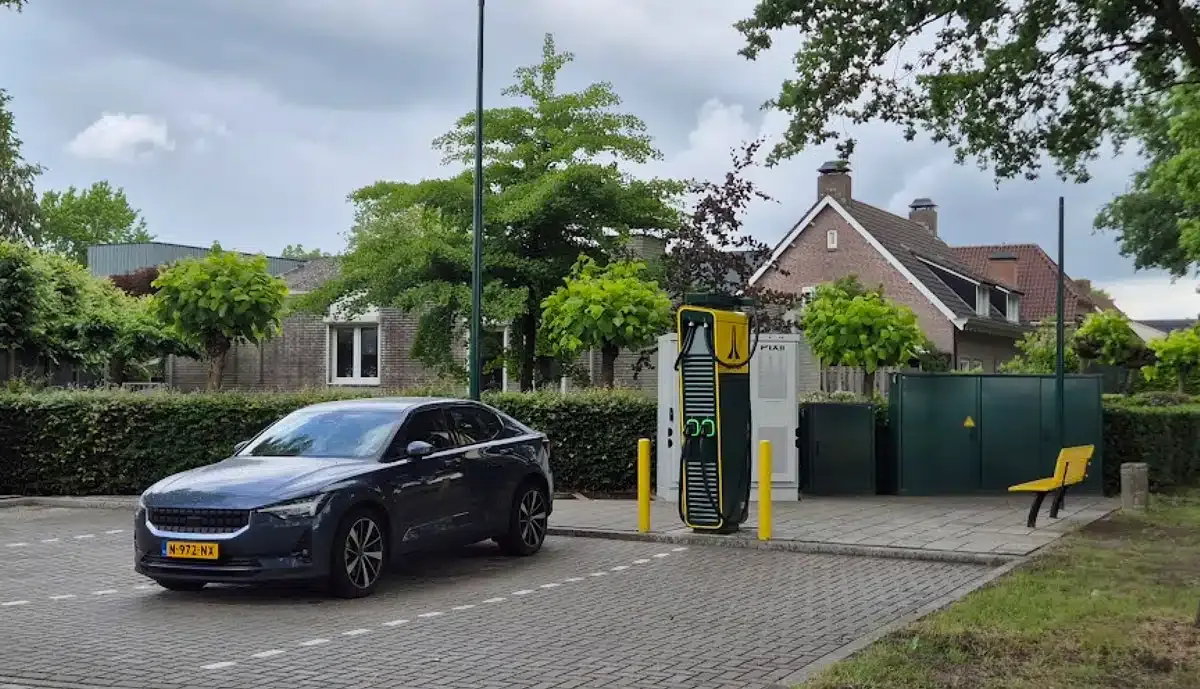
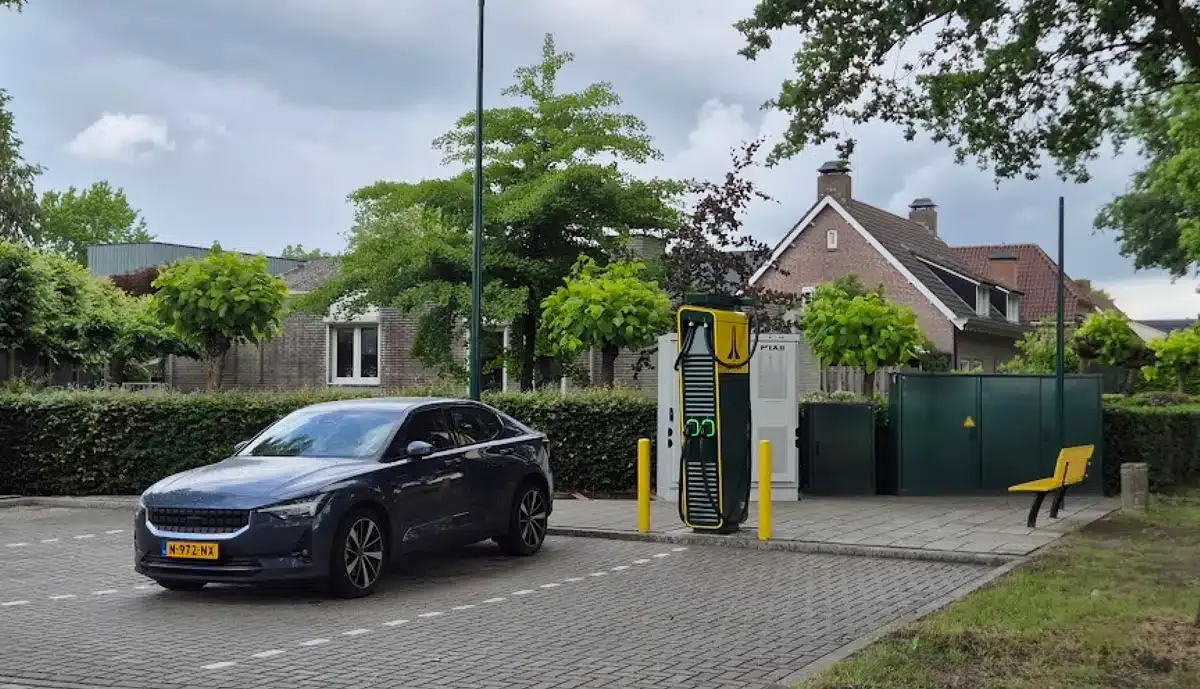
Image: LEAP24 GmbH
GridX and Leap24 successfully tested a virtual grid expansion at the fast charging site in Goirle, the Netherlands. Using an energy management system and a battery storage unit, they were able to increase the charging capacity well beyond the physical grid connection limit of 50 kilowatts (kW). According to GridX, in September 2026, the charging processes reached a peak capacity of 142.8 kW, which is 2.9 times the connection limit.
The site uses an Alpitronic HYC150 fast charger and two Pixii batteries, which are controlled in real time by GridX’s energy management system. The software coordinates power supply to prevent overloading the grid connection, while the batteries provide energy when additional power is needed. During the pilot phase, the average charging capacity increased from around 45 kW to about 125 kW as a result.
In September, 49 percent of the energy supplied to electric vehicles came from battery storage. Virtually every actual charging session exceeded the 50 kW grid connection limit, with over 64 percent of charging sessions reaching peak capacities above 100 kW. GridX adopts a hardware-agnostic approach and has integrated site measurement into the system alongside the Alpitronic charger and Pixii batteries.
Leap24 identifies limited grid connection capacity as a key bottleneck in developing fast-charging infrastructure. GridX has recently expanded its supported battery systems to include those from Sungrow and Huawei. Both companies plan to roll out virtual grid expansion to additional locations in several markets by 2027, taking into account new installations, existing sites, and various local regulatory requirements.
The Goirle location is already designed to double the number of charging stations and batteries as demand increases. The companies aim to establish the approach tested in the Netherlands as a repeatable solution for sites with limited grid capacity across Europe. The focus is on cost-effective expansion of charging capacity and the coordinated management of various hardware components.
"Grid connections are the biggest bottleneck for fast charging, and waiting years for expansion is not an option for us. With GridX and our Pixii batteries, our Goirle location can charge at almost three times the rate allowed by its connection. This changes which locations we can open and how quickly we can do so for our business," says Jeroen Mannaerts, Head of Operations at Leap24.
"Electrification can only scale if it’s simple and affordable," adds Amelie Meixner, Director of Growth at GridX. Interoperability allows operators to choose the best hardware for each location, and advanced energy management enables this hardware to function as a unified system — allowing you to extract more charging power from the electrical connection you already have. This makes building large-scale electric vehicle charging infrastructure much more cost-effective."
139 characters
Also interesting
About the author
Thomas Langenbucher is an expert in electromobility with experience in the automotive and financial industries. Since 2011, he has been covering electric cars, sustainable technologies, and mobility solutions for ecomento.de. Learn more.
Reader interactions