
GPT-6 Astra, the artificial intelligence that can be installed and even drive. And AI company employees are growing increasingly terrified
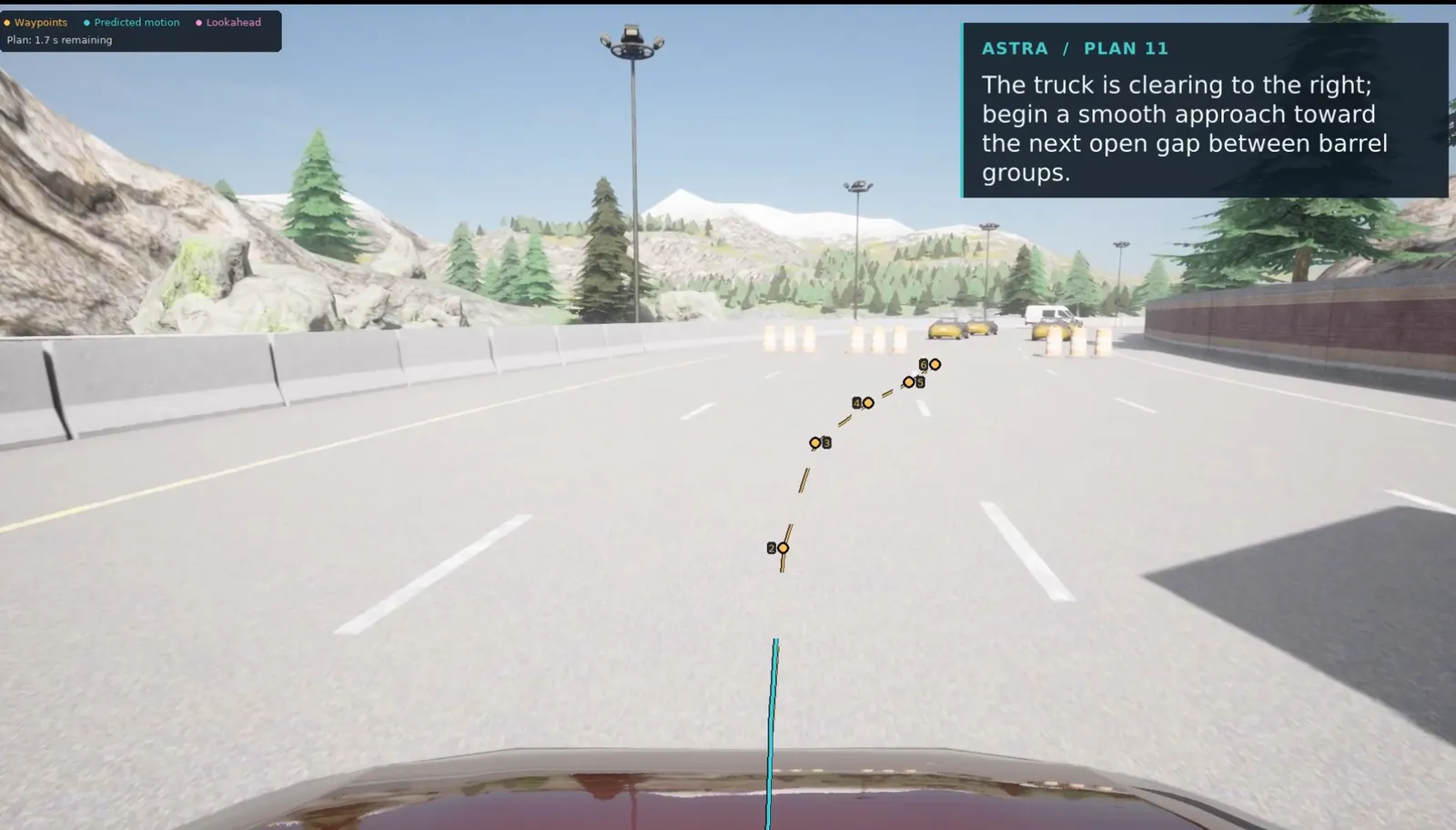
The new OpenAI GPT-6 Astra mechanism has been available for just six days (since September 3). A scientist decided to test whether this multi-tasking artificial intelligence system, which has never been trained to drive, could handle it better than a fish. It turned out that in simulations, it performs surprisingly well—simply analyzing successive images, determining the steps to take, and carrying them out without colliding with potential obstacles.
Astra AI: A System That Gets More Versatile by the Day
Table of Contents
Astra AI: A System That Gets More Versatile by the Day
AI startup employees are starting to fear AI
Until recently, driving vehicles was reserved for humans, fish, and highly trained artificial intelligence (see: FSD). What protein-based brains can do “on their own” thanks to millions of years of evolution and tens of thousands of years of adaptation in specific environments, artificial intelligence had to develop through immense effort using supercomputer infrastructure. Even the best have not succeeded yet—Waymo and Zoox are limited to a closed set of locations, and Tesla is also slow to expand its Robotaxi service.
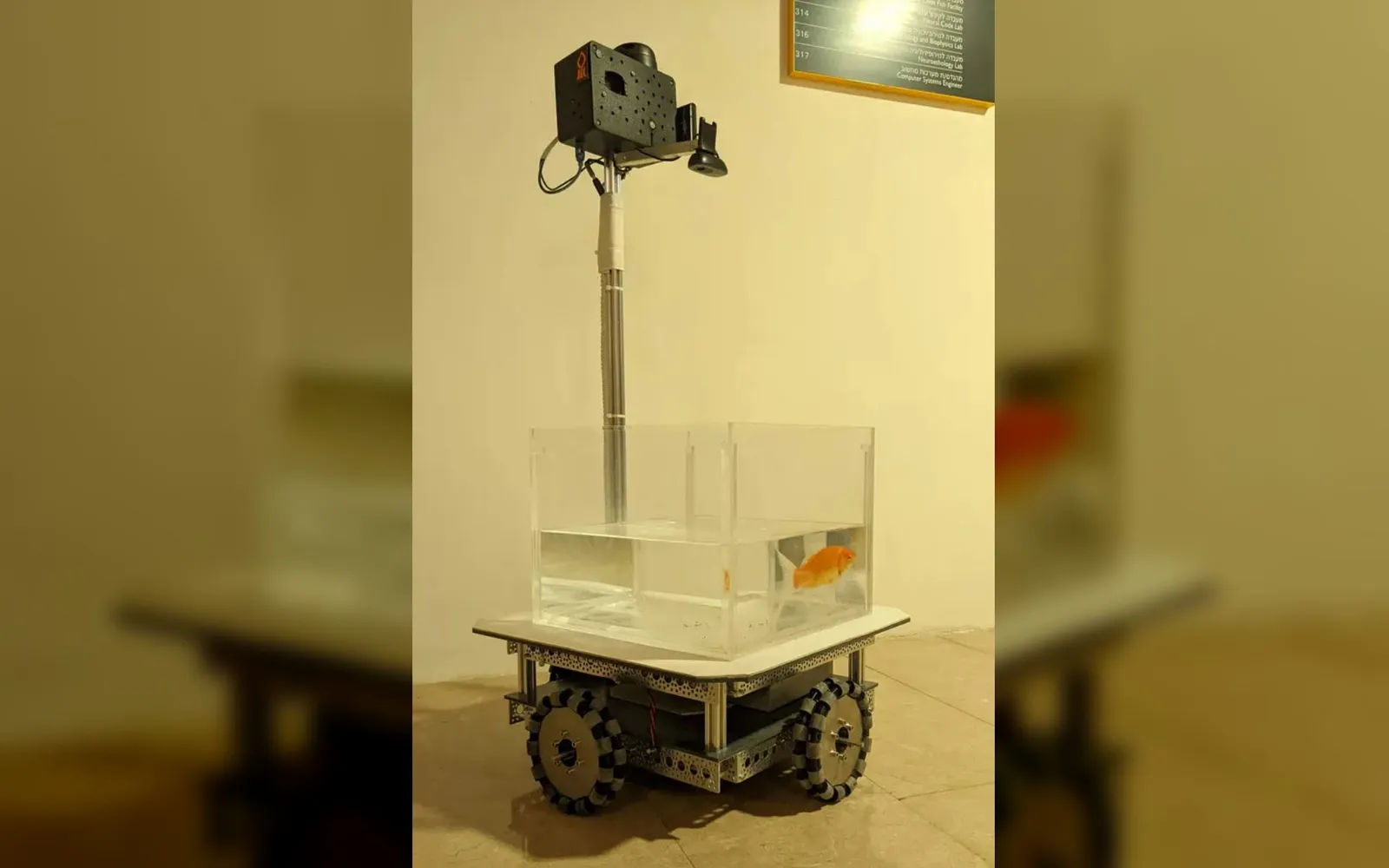
The Fish That Drives the Aquarium
However, OpenAI’s new Astra system seems to have caught up. The artificial intelligence was tasked with navigating the vehicle through a generated environment, created a series of steps, and gradually executed them. Astra analyzed camera footage to determine a collision-free path to the next point [on the list], while an additional controller converted this intention into steering actions, acceleration, or braking. The AI had access to the vehicle’s parameters (telemetry) but was unaware of its coordinates on the map or results assessing its performance.
It looks like Astra can also drive you around!
I created a custom environment using Carla Sim with various obstacles, having Astra act as the high-level planner, and it seems to handle almost every situation perfectly.
More details in the thread: pic.twitter.com/rRWdd4zwPr
— ludocomito (@ludocomito) September 8, 2026
The aforementioned additional controller checked and adjusted the steering position every 0.05 seconds, which would be sufficient even under normal operation (1.67 meters at 120 km/h). Another one with the same frequency (20 Hz) accelerated or braked. There was no additional “stay in lane” system. The above simulation required the use of a more advanced, computationally expensive model. For the actual slalom between poles, the cheaper and simpler Astra AI model was sufficient.
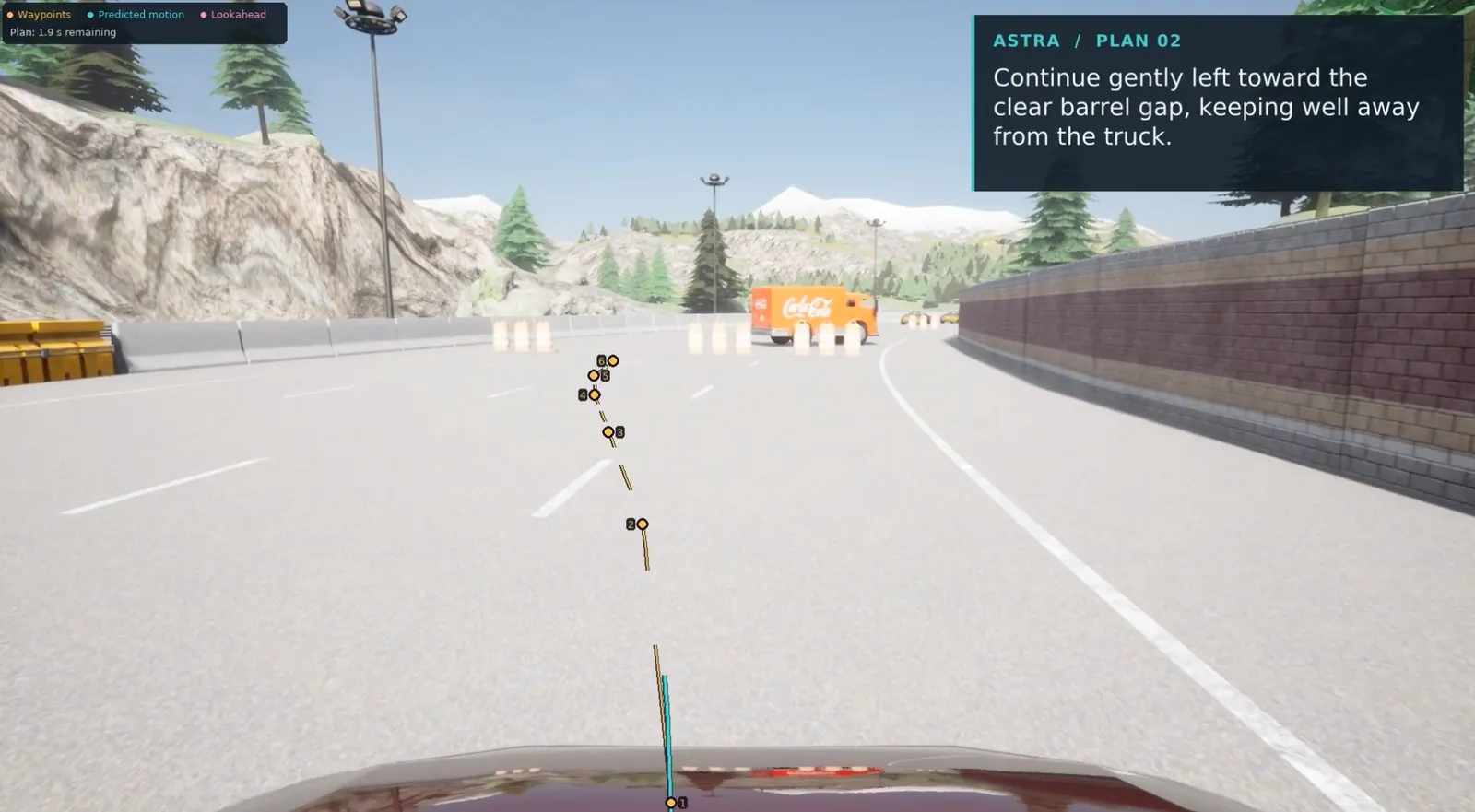
In short: it’s a general model that, unlike Tesla’s FSD, was never trained to drive cars—it simply received a specific task and completed it. The only remaining question is its computational requirements if it needs to fit into a box in the cockpit. If 1 kW of power were sufficient for it, it could start driving cars already today.
AI startup employees are starting to fear AI
On Iksie, 27-year-old mathematician Jacob Coxon announced he is leaving Anthropic, the startup behind Claude. He previously worked for OpenAI (ChatGPT, Astra). In his view, companies compete to improve their products, while their employees privately believe that artificial intelligence could kill humanity by the end of the decade (source). After his revelation, others began to think there is a non-zero probability that AI will harm humanity in some way within ten years.
Article Rating
Reader Ratings
[Total: 6 votes Average: 4]
Don’t miss new content — CLICK and FOLLOW Elektrowoz.pl on Google News. You might also be interested in the following ads: