
The government provides subsidies of up to 16,000 euros for purchasing an electric car. How does it work?
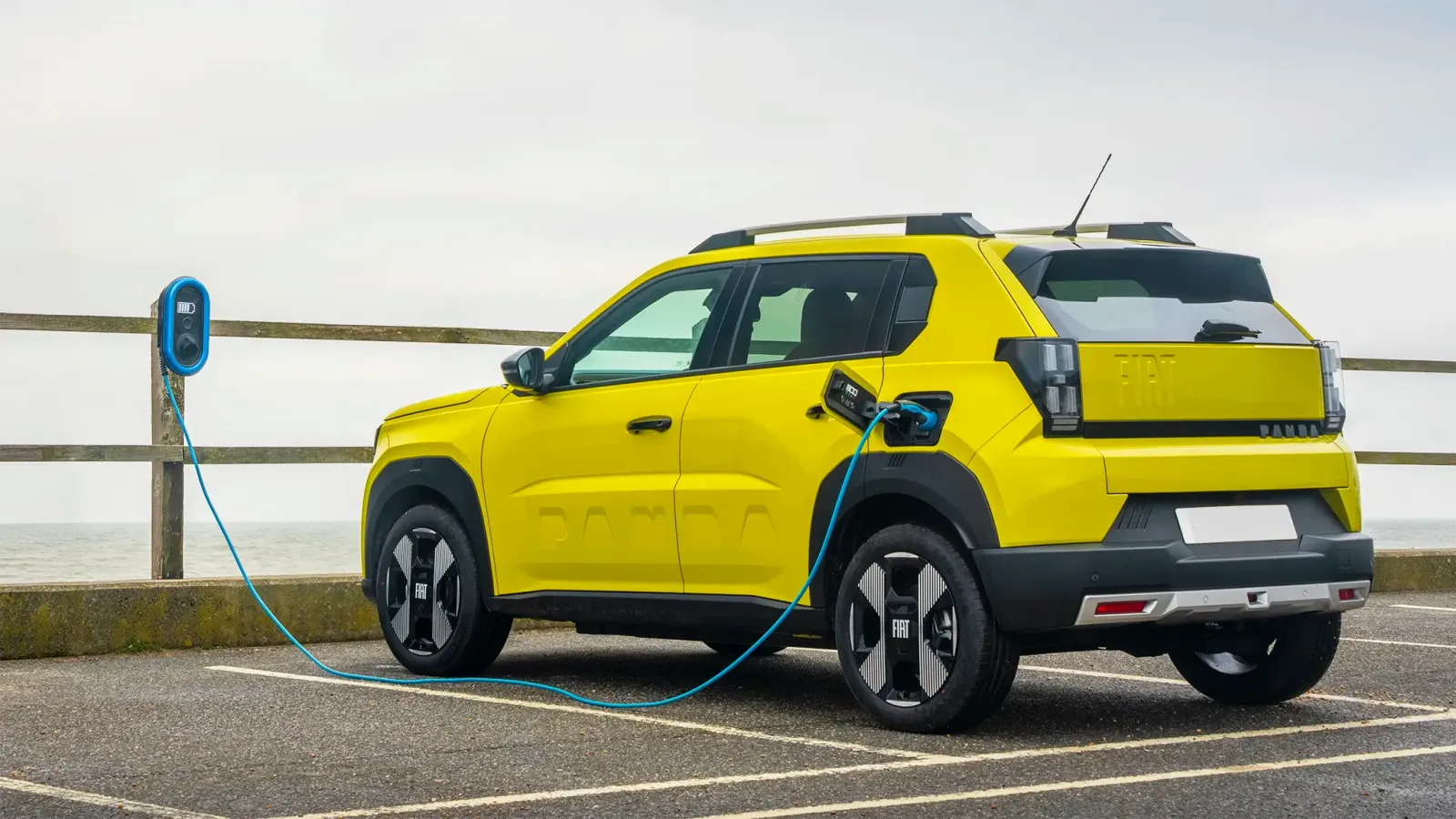
The new subsidies for electric cars could reach 16,000 euros. However, the calculation is not based on the final price. We explain how much a family can save.
The government has announced a new program to subsidize the purchase of electric cars, offering up to 16,000 euros per vehicle. It is intended for families with lower incomes and is set to take effect in 2027, at a date yet to be announced.
The major novelty is a subsidy of up to 80% of the car’s purchase price. But these 80% are calculated based on the base price, excluding VAT, and the subsidy has a maximum limit of 15,000 euros, which can rise to 16,000 euros if an old car is surrendered for credit.
We’ll do the math to see how much an electric car would actually cost with these incentives.
How does the 80% subsidy work?
According to explanations provided by the Ministry of Environment and Energy, the state can cover 80% of the pre-tax price of an electric car, up to a maximum of 15,000 euros.
This means the buyer will always have to bear the VAT and the portion of the price not covered by the subsidy. To better understand how it works, let’s use two examples of electric cars priced at 20,000 euros and 30,000 euros, both including VAT.
Values
Car price including VAT
20,000 €
Car price without VAT
16,260 €
VAT (23%)
3,740 €
State subsidy
(up to 80% of the pre-VAT price)
13,008 €
Price excluding VAT to be paid by the buyer
(20% of the total)
3252 €
Total to be paid by the buyer
(remaining amount + VAT portion)
6992 €
In this first example, the reduction is quite significant, but the car does not cost 4000 euros, as a direct application of 80% to the selling price might suggest. This information was also mentioned initially, as the VAT exemption detail was only known at a later stage after the announcement.
That said, in this example, the buyer pays only approximately 35% of the car’s total price.
In the second example, shown in the table below, the car costs 30,000 euros, but the price excluding VAT is around 24,390 euros. Applying 80% would result in a subsidy of 19,512 euros. However, since there is a maximum limit of 15,000 euros, that amount is what counts.
Price
Car price including VAT
30 000 €
Car price excluding VAT
24 390 €
VAT (23%)
5610 €
State subsidy
(up to 80%, limited to 15 000 €)
15 000 €
Excluding VAT amount to be paid by the buyer
9390 €
Total amount to be paid by the buyer
(remaining amount + VAT portion)
15 000 €
In other words, for an electric car costing 30,000 euros, the state would cover exactly half of the car’s final price.
These figures are merely illustrative. We still do not know the final regulations, nor which cars will be eligible for the program, especially what the maximum price ceiling for vehicles will be.
What we do know is that this subsidy program will be limited to the purchase of 20,000 vehicles.
There is another possibility to increase support: handing over an old car with a combustion engine for dismantling. In this case, the maximum incentive rises from 15,000 to 16,000 euros.
It remains unclear how this increase will be applied and what type of cars can be handed over for dismantling. We recall that in previous programs to support the purchase of electric vehicles, the requirement was that the combustion engine car be over 10 years old.
An additional subsidy of up to 1,000 euros, tax-free, is also planned for an electric vehicle charging station. This means that, in total, if an eligible family meets all requirements, they could receive up to 17,000 euros in support.
Who can benefit from these subsidies?
The government has also already clarified some of the criteria for accessing the new program. According to the Ministry of Environment and Energy, as cited by ECO, applicants can be those who receive the Social Electricity Tariff or families with incomes below 80% of the average income, with 11,572 euros per year cited as the reference amount.
This group represents approximately 1.576 million households, although the program plans to support the purchase of only 20,000 vehicles. It remains unclear how this income will be calculated based on the household composition and whether there are other access criteria.
Neither the maximum price for eligible cars has been announced, nor has it been confirmed whether the subsidies can also be used to purchase used electric vehicles.
We also need to know when applications open, what the requirements are for submitting a vehicle for dismantling, and whether it is necessary to pay the full price of the car upfront to receive the incentive later. The latter point is particularly important given that the program is aimed at families with limited financial resources.
ADVERTISING
You don’t need to wait for support
We have over 2800 used electric cars waiting for you.
What about other incentives for electric cars?
The program for low-income families is just one of the measures announced by the Government as part of the 2027 State Budget. As we reported in Razão Automóvel, incentives for purchasing electric cars for the general public will also continue.
The government announced a funding allocation of 50 million euros, five times higher than the amount in the last competition held in June 2026. The conditions are expected to be similar to those before, which provided 4,000 euros in subsidies for purchasing new electric vehicles under certain conditions.
Microenterprises will also receive new support, with incentives planned for the acquisition of up to 9,000 electric vehicles, primarily for businesses most affected by fuel costs.
The government also announced support for purchasing more sustainable heavy vehicles, for the development of their charging networks, and for co-financing 700 electric buses for areas with low population density.