
Gotion showcased mobile battery swapping for trucks in Europe. 860 kWh and 5 minutes instead of stopping.
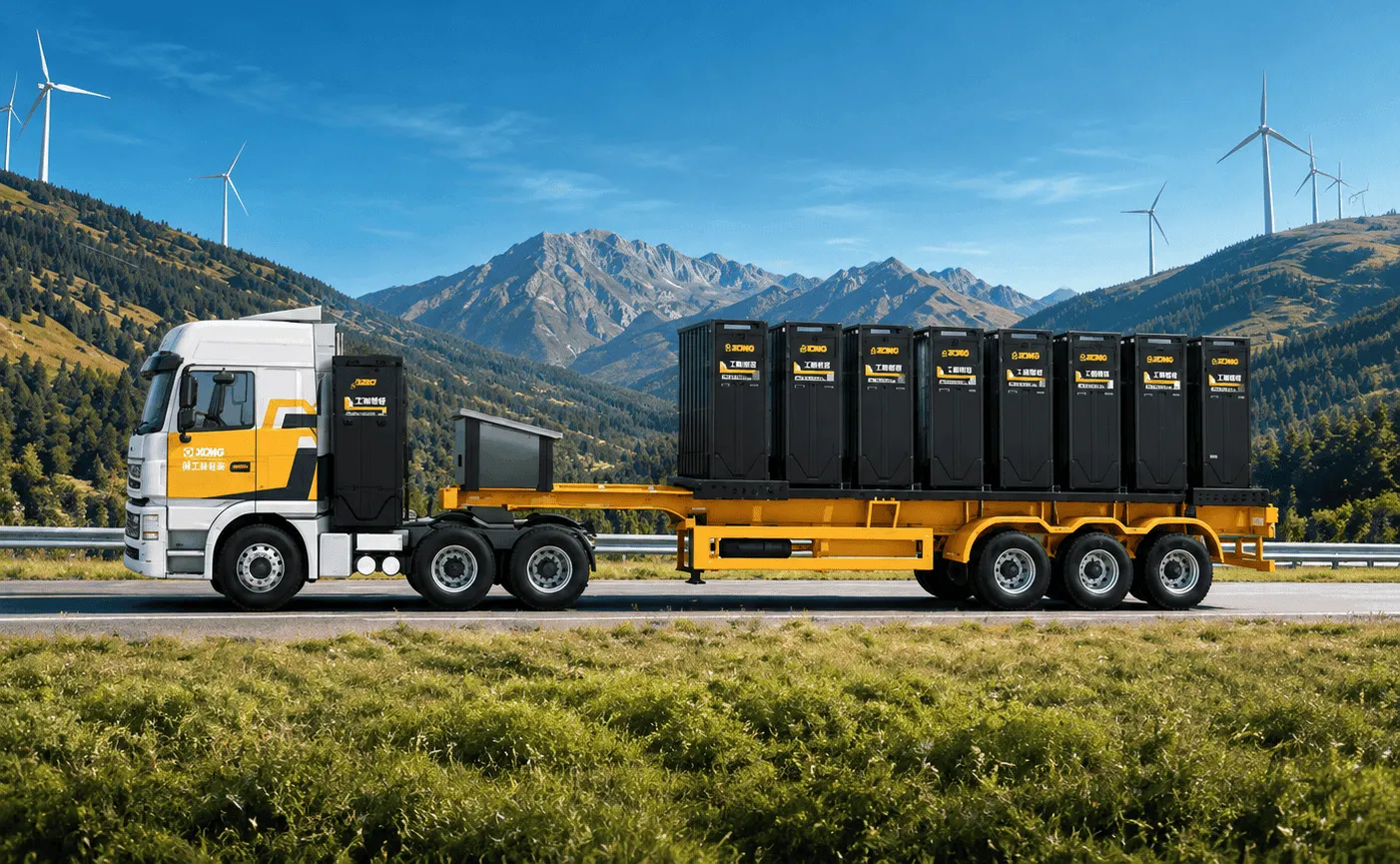
Gotion High-Tech and C&C Trucks, a brand under Chery Commercial Vehicle, showcased the DIANLL system for electric trucks at the IAA Transportation 2026 exhibition in Hanover. This mobile solution combines charging, battery swapping, and energy storage, and for truck use it supports a set of 2 x 430 kWh batteries, totaling 860 kWh.
On paper, this appears to be an attempt to address the biggest challenge facing electric trucks in Europe—not range itself, but the infrastructure that is still lacking outside of major corridors.
DIANLL aims to replace fixed stations with mobile equipment
Gotion launched DIANLL in May 2026 as a system for heavy transport. The difference from traditional battery swap stations is simple: instead of building fixed locations, the manufacturer moves the swapping function to a mobile device.
The system operates with a side-mounted battery swap and a dual-pack setup integrated both into the tractor unit and the trailer. Two modules of 430 kWh each provide a total of 860 kWh, and the battery swap itself takes only 5 minutes. This is a compelling feature for logistics, especially in areas where every hour of downtime incurs costs.
Gotion also argues that the lack of fixed charging stations reduces expenses related to land, connections, and network expansion. This makes sense, though it doesn’t change one thing: someone still needs to deliver the equipment, batteries, and energy directly where the truck needs them.
DIANLL is connected to GotionGuard-ZERO digital platform, which is designed to manage energy and integrate charging with solar power, wind energy, and energy storage systems. The ambition is clear: to sell not just the vehicle itself, but the entire ecosystem.
China’s plan is ambitious, while Europe’s rollout has just begun
Gotion is already implementing DIANLL in China. The plan for 2026 calls for 1,000 stations for 100 transport corridors longer than 500 km. By 2030, the network is expected to grow to 8,000 stations covering over 200,000 km of main routes.
In Europe, the company is targeting the same issue that all e-truck manufacturers face today: trucks need not only large batteries but also reliable energy replenishment along routes and at logistics hubs. However, infrastructure remains limited, especially outside major routes and in cross-border traffic.
Meanwhile, C&C Trucks has unveiled two models for foreign markets: the Phoenix BEV and the Phoenix REEV. The former supports battery charging and swapping. The latter, as a range extender, offers three energy replenishment options: charging, swapping, and fuel refueling. It’s a very Chinese approach—offering customers everything at once to see what works best.
There is also concrete implementation progress. Gotion and C&C Trucks, along with partner GPM, delivered the first truck equipped with a replaceable battery for the Europe-Africa transport corridor and signed a strategic cooperation agreement.
If this model works, the competition in e-transport could quickly shift from the truck’s specifications itself to who can deliver the battery and energy directly to its wheels. What do you think—will megawatt charging or battery swapping prevail in Europe?
LovEV Newsletter
Want more content like this?
Sign up—we’ll send you a weekly summary once the newsletter starts.