
Weight problem hinders use of electric trucks
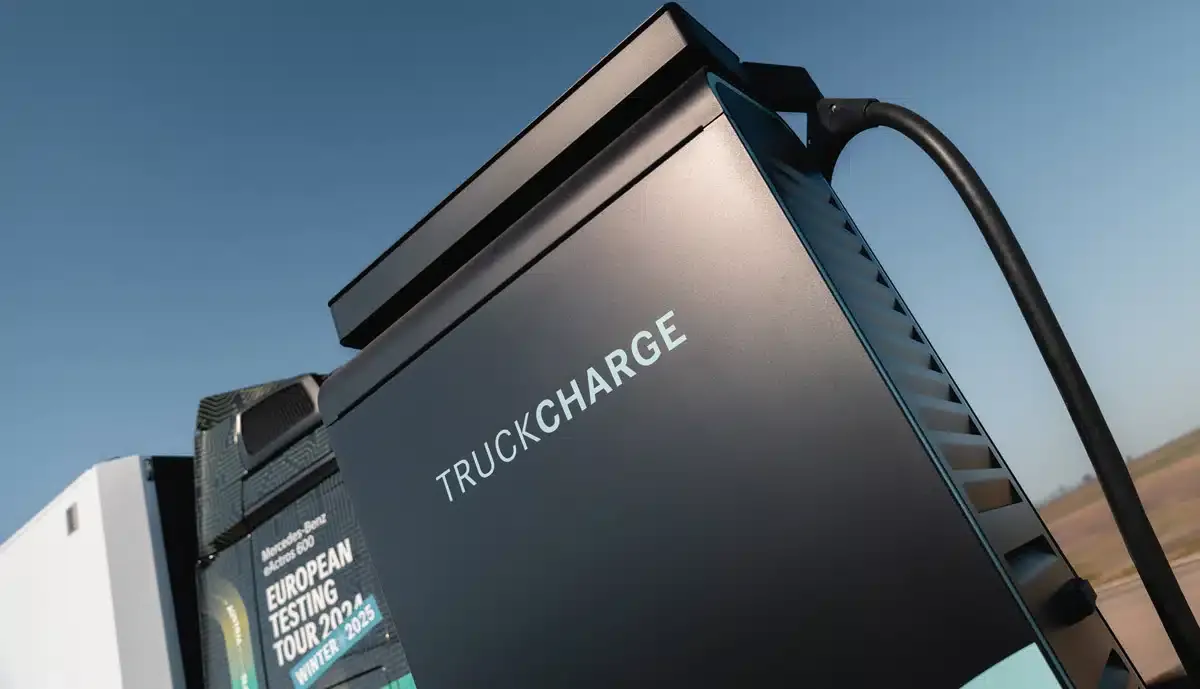
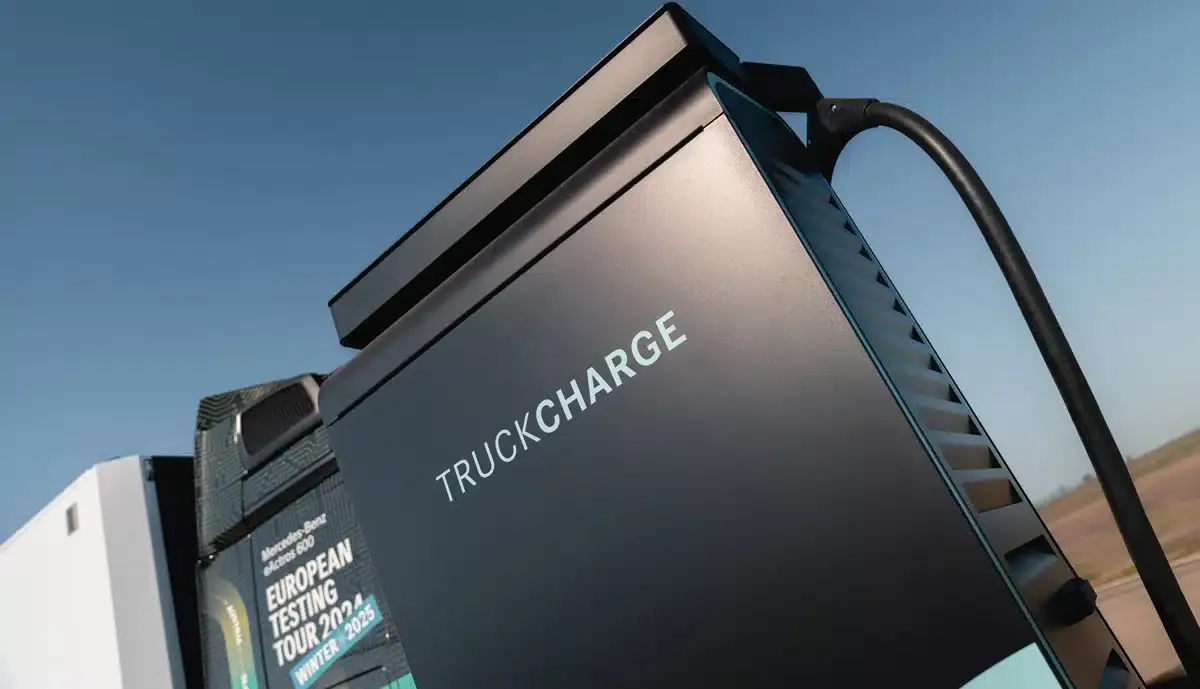
Image: MAN (illustrative)
The proportion of electric trucks in local heavy freight transport is still low at present. For German heavy trucks, the figure stands at around 0.5 percent, according to Dirk Engelhard, spokesperson for the Federal Association of Freight Transport, Logistics, and Waste Management (BGL), in an interview with WDR. When foreign market participants are included, this figure drops to about 0.27 to 0.3 percent of the roughly 800,000 heavy trucks responsible for supply in Germany.
According to Engelhard, the problem lies not in the technology, as the electric drives functioned “flawlessly.” However, the vehicles are about two to two and a half times more expensive than conventional diesel trucks, and no client is willing to pay higher freight rates. Additionally, there is still a lack of sufficient range and enough charging stations for long-distance transport.
In the view of BGL, the range of electric trucks is the least significant problem. A major obstacle is the axle load limit in Europe, which is set at 11.5 tons. Since battery packs can weigh up to four tons, this limit is quickly exceeded in fully loaded trucks. Technical solutions such as additional axles could distribute the weight, but they would result in higher overall weights and longer vehicles. According to this industry expert, policymakers need to find solutions in this area.
According to Engelhard, the cost-effectiveness of electric trucks depends heavily on charging options. While charging at depots with low electricity prices can be profitable, high costs of 50 to 80 cents per kilowatt hour at public charging stations complicate cost calculations.
While electric mobility already plays a significant role in the area of small delivery vehicles, there is a great need for action in the 40-ton segment, which accounts for 85 percent of all goods transportation. For special applications such as transporting large wind turbines, alternative fuels like E-fuels or hydrogen are necessary, according to Engelhard. The BGL therefore advocates for a mix of technologies, as electric drives may not cover all application areas in agriculture, construction, or heavy freight transport.
Also interesting
About the author
Thomas Langenbucher is an expert in electromobility with professional experience in the automotive industry and finance sector. Since 2011, he has been covering electric vehicles, sustainable technologies, and mobility solutions for ecomento.de. Learn more.
Reader interactions