
Court: Shorter range in used electric vehicle is not automatically a defect
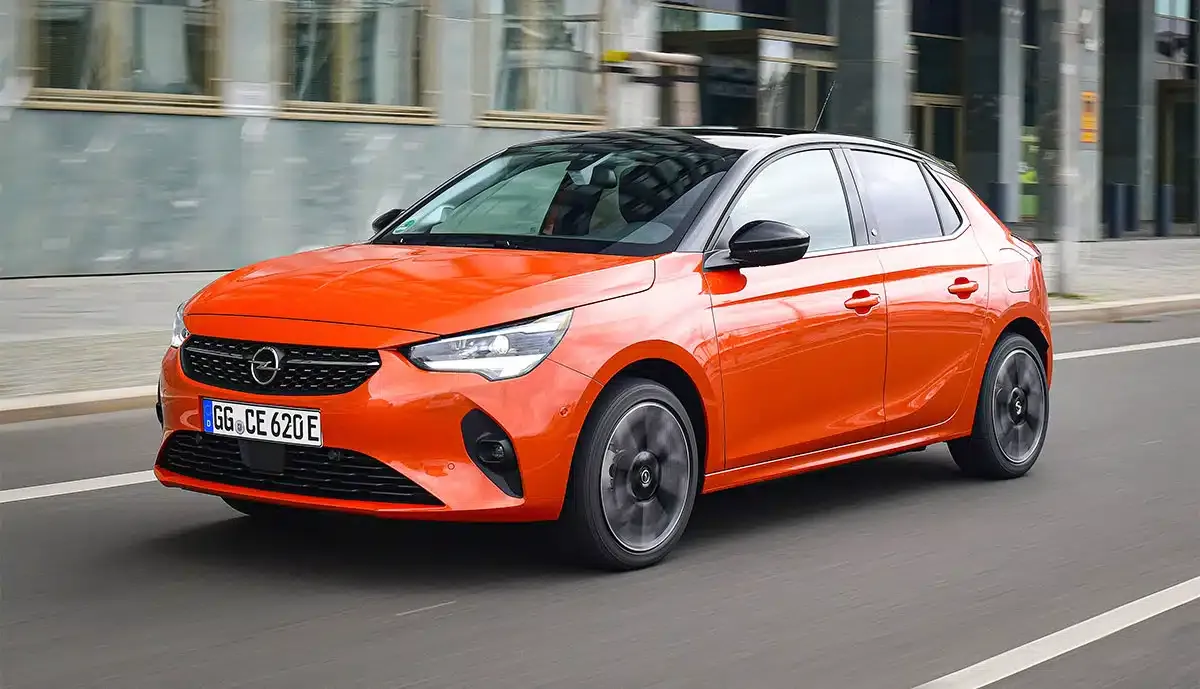
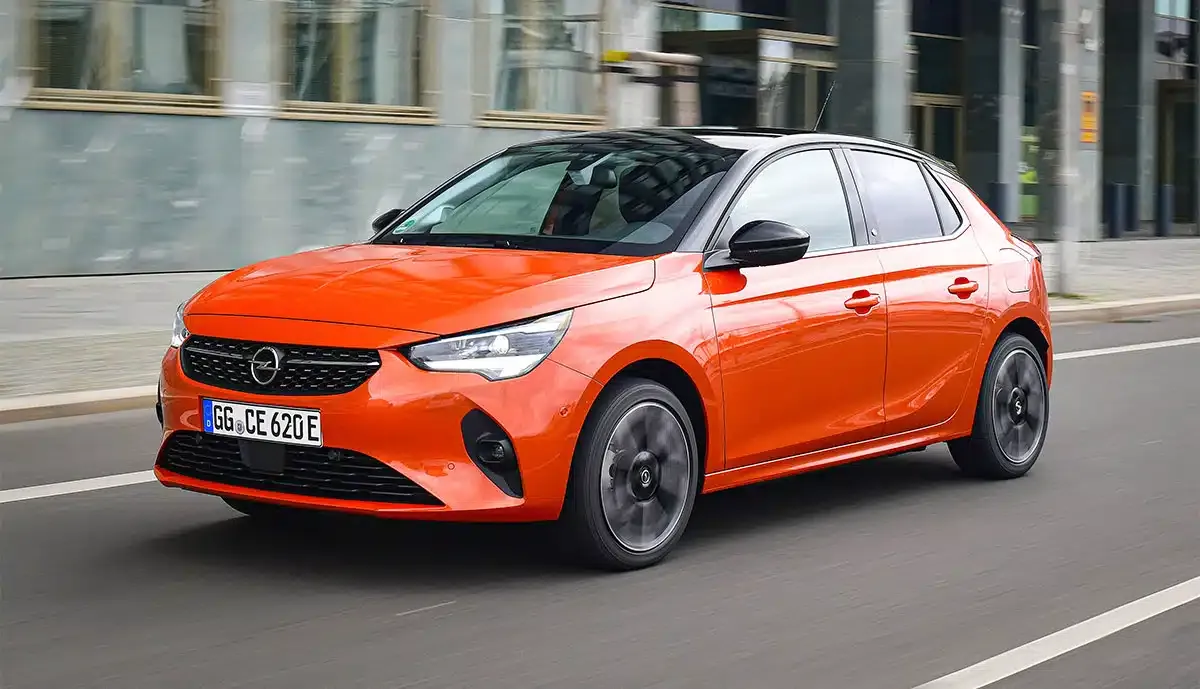
Image: Renault (illustrative)
The Celle Higher Regional Court ruled that age-related capacity loss in an electric vehicle’s battery does not automatically constitute a defect. In a case reported by Autohaus.de, the court dismissed a used car buyer’s claim to cancel the purchase contract.
The plaintiff purchased a used electric compact car model Opel Corsa 20 Edition with 8,485 kilometers of mileage from an authorized dealer for 25,500 euros. According to the manufacturer, the maximum range in new condition was 337 kilometers. The buyer claimed that this figure was not even achieved under optimal conditions, with the range being 20 to 30 percent lower, and the deviation in winter averaged 43 percent. Therefore, she revoked the purchase contract.
The defendant argued that it was generally known that a battery’s performance declined over time. For batteries three years old, a loss of up to 30 percent could be expected regularly. In fact, the plaintiff’s electric car still had a charging capacity of 91 percent during an inspection in July 2023.
The court did not consider the lower range criticized by the plaintiff to be a defect, as no binding agreement between the buyer and seller existed regarding a specific range as a characteristic of the vehicle. The plaintiff’s individual expectations were not decisive for the assessment.
Instead, the court stated that the standard quality typical of similar vehicles and consistent with current technology should serve as the benchmark. The condition of the battery matched the objectively expected properties of a used electric car.
Also interesting
About the author
Thomas Langenbucher is an expert in electromobility with experience in the automotive and financial industries. Since 2011, he has been covering electric cars, sustainable technologies, and mobility solutions for ecomento.de. Learn more.
Reader interactions