
General Motors focuses on speed and simplicity with its fourth electric vehicle platform
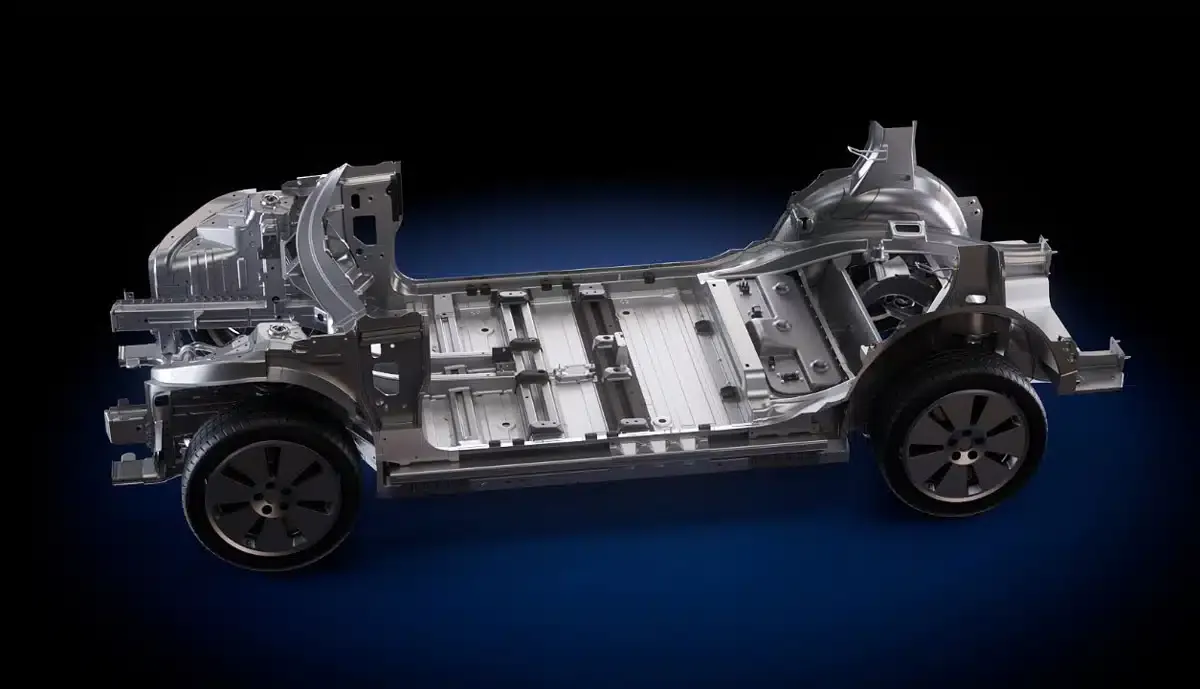
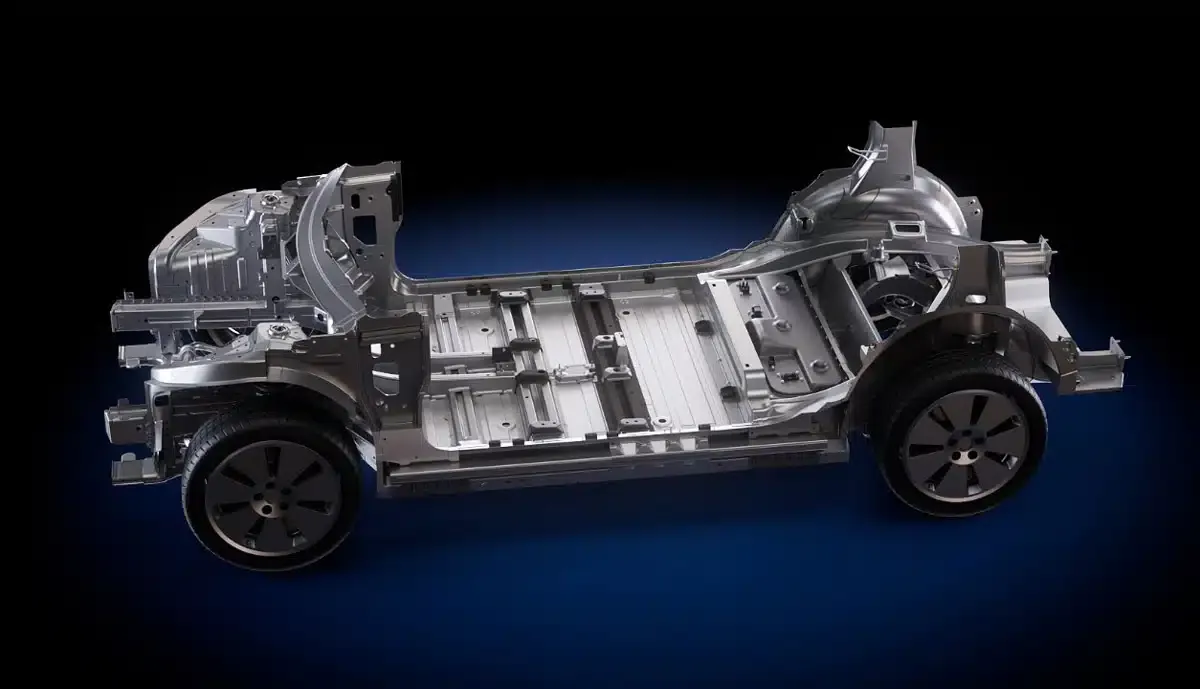
Image: GM
General Motors (GM) is developing its fourth generation of electric vehicle platform, which combines new battery technology, more efficient powertrains, a centralized computing architecture, and an upgraded version of the Super Cruise driver assistance system. The platform is designed for large market segments and aims to deliver vehicles with longer range at affordable prices.
According to the U.S. company, early development results suggest that new lithium-manganese-rich batteries (LMR), electric powertrains, and optimized aerodynamics can increase range per kilowatt-hour of energy by about 20 percent compared to current vehicles. By developing various vehicle components in parallel, GM also aims to cut the usual five-year development time in half.
The focus is on a new LMR battery with prismatic cells, which will be produced by the joint venture Ultium Cells alongside LG Energy Solution in Tennessee, U.S. This battery technology is expected to offer 33 percent higher energy density than lithium-iron-phosphate batteries (LFP), allowing for smaller, lighter battery packs with greater range at similar costs.
The drive technology is also being simplified. A new generation of electric motors and power electronics reduces the number of components in each drive unit by 40 percent, aiming to create smaller and lighter systems.
The new electrical and computing architecture requires 30 percent less wiring compared to current electric vehicles, with fewer control units, while the computing power for AI-driven functions increases by a factor of 40. This architecture is designed to support software updates, improved energy management, faster displays and voice controls, as well as further development of Super Cruise and the OnStar telematics service.
In manufacturing, GM relies on digital models that allow for the analysis of production steps, equipment locations, and potential safety or ergonomics issues before new hardware is installed. During production, the PlantBrAIn factory platform is intended to combine data from factories with computer models to improve the construction of electric vehicles and battery packs. According to GM, this approach has already enabled 30 percent faster processing in the company’s battery pack assembly lines.
Vehicles of the fourth generation are also expected to be able to check their electrical connections during assembly, eliminating the need for final inspection after completion.
Also interesting
About the author
Thomas Langenbucher is an expert in electromobility with professional experience in the automotive industry and finance sector. Since 2011, he has been covering electric vehicles, sustainable technologies, and mobility solutions for ecomento.de. Learn more.
Reader interactions