
Geely is targeting solid-state batteries with 500 Wh/kg by 2027. Currently, this is still in the pilot phase, not yet available for sale.
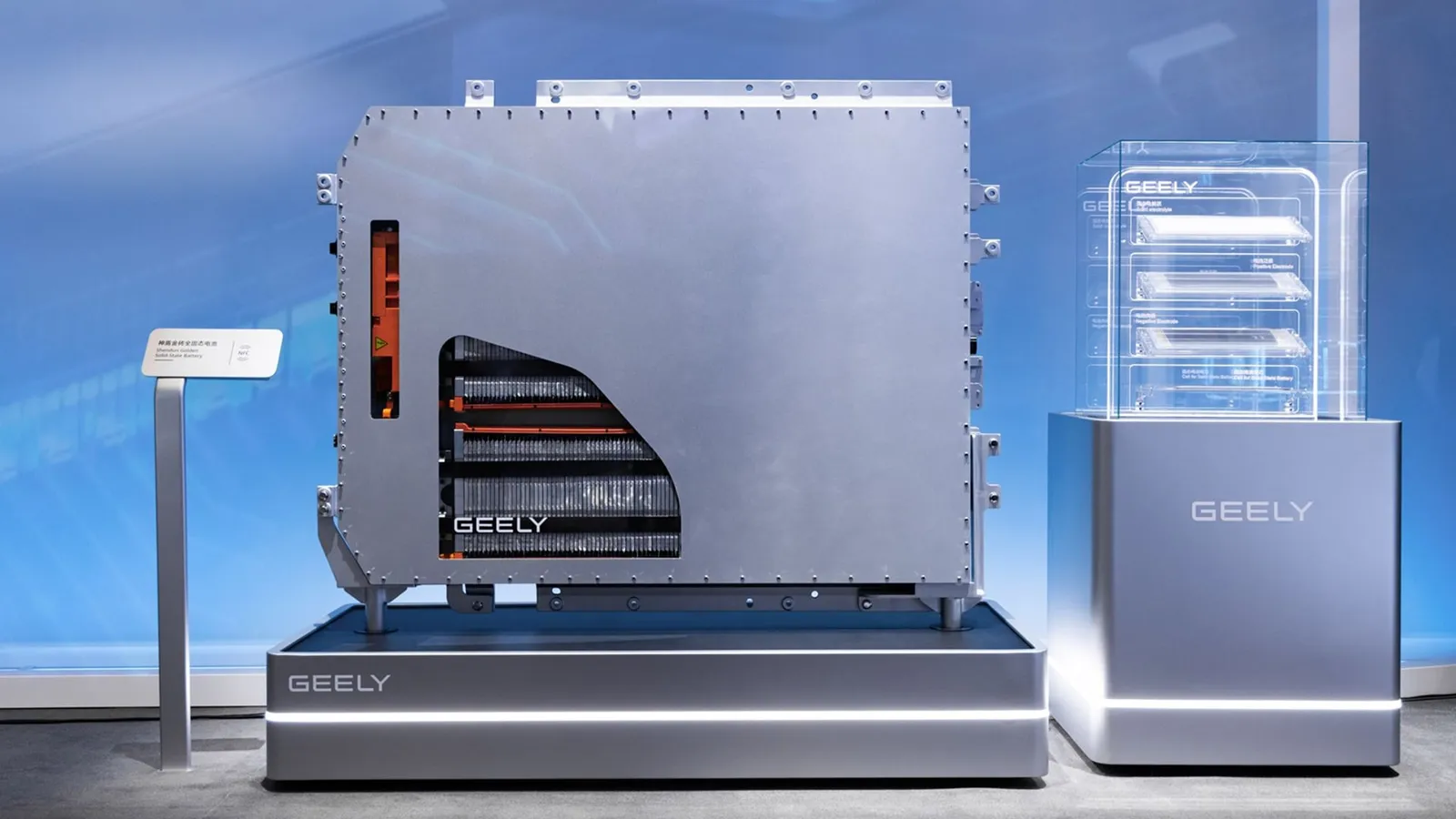
Geely Holding announced that it will begin pilot deployments of solid-state batteries in its brands by 2027. The most powerful version is expected to offer an energy density of 500 Wh/kg at the pack level, allowing for a range exceeding 1,000 km according to the company.
This sounds very impressive. However, we are still talking about pilots following preliminary real-world tests, not mass sales in showrooms.
500 Wh/kg and over 1,000 km, but Geely hasn’t yet mentioned the scale.
Geely claims that the new solid-electrolyte batteries will be installed in vehicles across the group’s entire ecosystem, including brands such as Geely, Zeekr, Lynk & Co, Volvo, Polestar, Lotus, Smart, Proton, and Farizon.
The company mentions several variations in energy density, with the top-tier package aiming for 500 Wh/kg. If this refers to the entire pack, as indicated in the announcement, the value would be even higher at the cell level. For comparison, Geely’s currently produced Golden Brick liquid-electrolyte batteries have around 250 Wh/kg at the cell level.
Geely also claims a range comparable to that of diesel cars, meaning over 1,000 km per charge. On paper, this sounds impressive. In practice, without information on the methodology and vehicle size, it remains a marketing slogan rather than an actual test result.
The company added that validation under real-world conditions will begin in 2026, with pilot implementations across brands planned for 2027. This is an important distinction—piloting usually implies a limited scale, a test fleet, or expensive, niche models.
Geely Joins BYD and CATL, But the Industry Itself Is Dampening Optimism
The article also mentions a technological partner. Dow Chemical is helping to develop materials for these batteries. The company already has a solid-state battery adhesive that maintains stability between -40 and 120 degrees Celsius.
Geely is no exception here. Previously, BYD and CATL set similar targets, aiming for pilot production or trial deployments by 2027. The problem is that the industry leaders themselves admit that commercialization is still a long way off.
CATL’s CEO, Robin Zeng, previously said their technology is at level 4 on a 9-point TRL scale. This indicates partial prototypes, not a ready product for dealerships. Meanwhile, CATL’s chief scientist, Wu Kai, predicts reaching TRL 7 or 8, meaning a full-scale prototype under commercial conditions or final product certification.
In short, 2027 seems more like the start of testing expensive solid-state batteries rather than when this technology will flood the market. For drivers in Poland, what’s more important now is when such cells will appear in Volvo, Polestar, or Smart vehicles in Europe and how much they will raise prices.
If Geely delivers even part of these figures, competitors will have to respond. The question is whether we’ll see actual cars in 2027 or mainly prototypes for the media and investors?
LovEV Newsletter
Want more content like this?
Sign up — we’ll send you a weekly summary once the newsletter starts.