
Geely Smart Charge, meaning 70% charge in just 4.5 minutes!
In short:
Smart Charge promises to charge the battery from 10% to 70% in just 4.5 minutes
The charging station achieves a peak power of up to 2250 kW, according to Geely
Geely emphasizes the role of artificial intelligence in energy management
The system can predict changes in cell temperature 30 seconds in advance and dynamically adjust the charging power
This is a response to BYD’s megawatt-level Flash Charging system
That manufacturer’s charger offered a maximum peak power of 1500 kW
Geely and a race against time
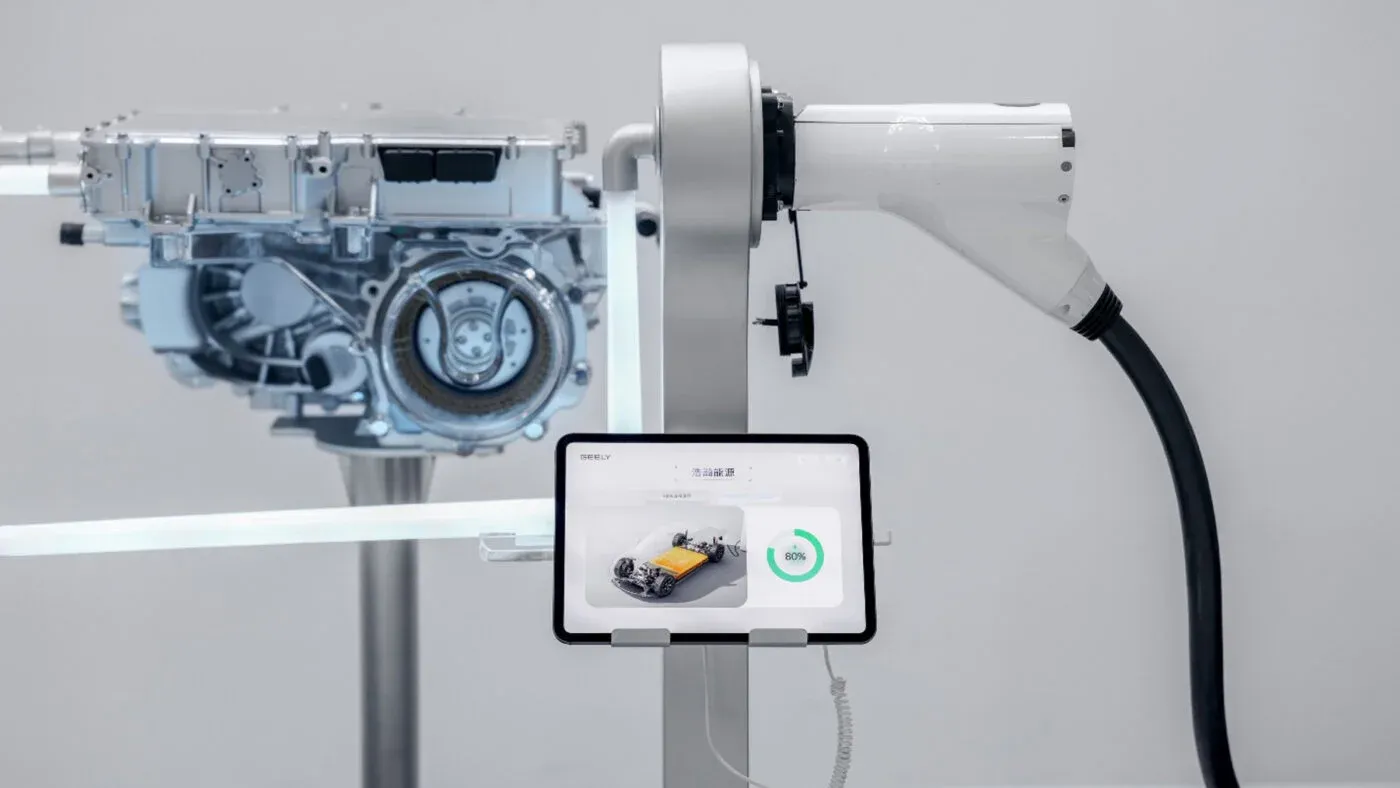
The race to develop the fastest car charging technology in China is in full swing. In March, on Elektromobilni.pl, we covered the launch of BYD’s megawatt-level Flash Charging system. Now Geely has stepped in, introducing the new generation of Geely Smart Charge technology along with a charging station that, according to the manufacturer, can reach a peak power of 2250 kW!
The record-breaking performance is impressive even when compared to current market leaders. For reference, BYD’s aforementioned Flash Charging charger offered a maximum of 1500 kW from a single port. However, as CnEVPost emphasizes, the power of the station alone is not enough. Success depends on the entire ecosystem, including the battery, management electronics, and energy infrastructure.
The heart of this new solution is the Shendun Golden Battery developed by Geely. The cells are designed for ultra-fast charging, achieving a 12C rating, which means they can accept energy at a rate up to twelve times the battery’s nominal capacity.
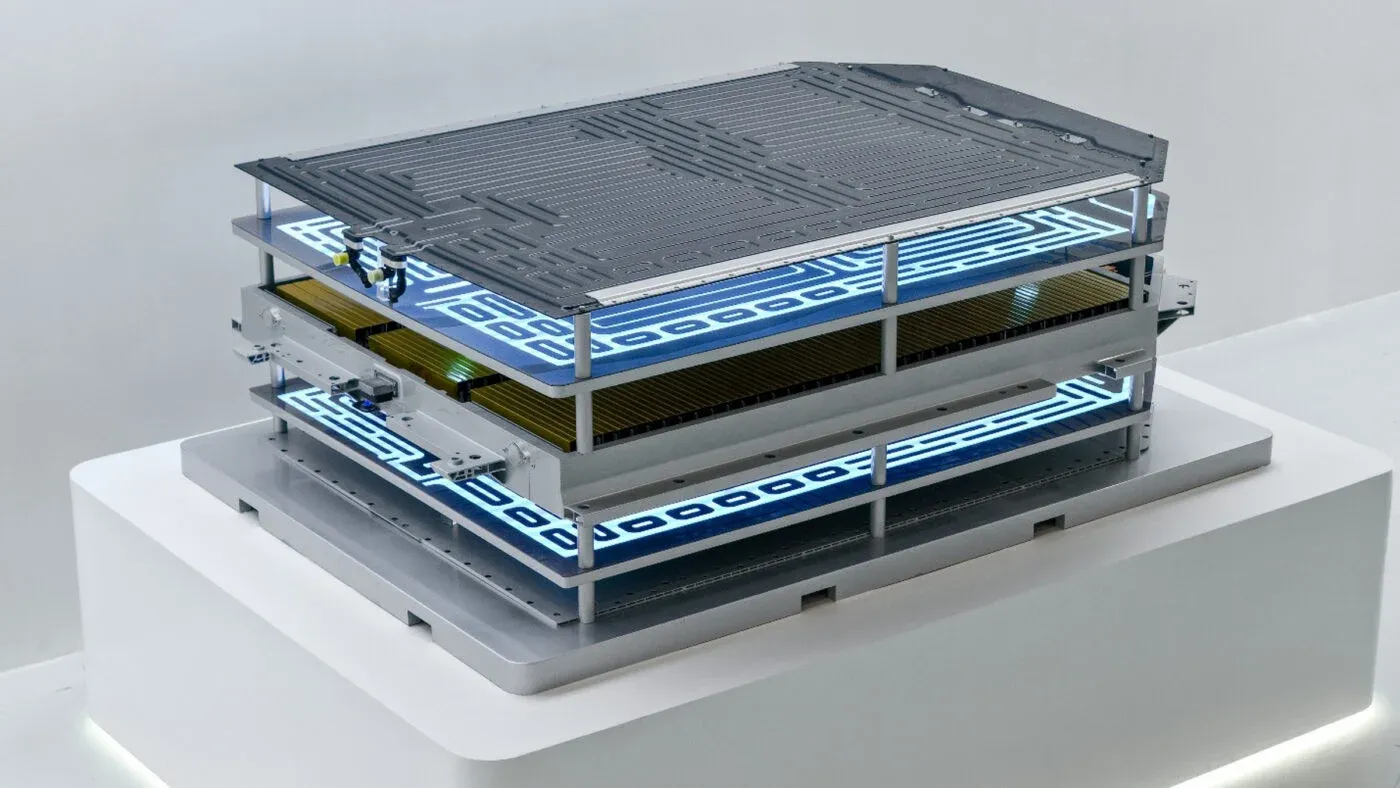
According to data provided by the manufacturer, Lynk & Co 10 and Zeekr 001 models equipped with this battery reached 10 to 70 percent charge in 4 minutes and 30 seconds, and 10 to 97 percent charge in 8 minutes and 40 seconds. These results are slightly better than those claimed by BYD for its second-generation Blade Battery, which requires five and nine minutes respectively under normal temperature conditions — writes Car News China.
Meanwhile, as Reuters notes, Chinese automakers are increasingly viewing ultra-fast charging as another area of technological competition. “Automakers are no longer satisfied with 30-minute charging times,”
“They are now competing for charging speeds that resemble filling up a gasoline car in five minutes,” — emphasizes Reuters.
Artificial Intelligence-Assisted
The impressive results are not solely due to the battery itself. Geely places strong emphasis on the role of artificial intelligence in energy management. In collaboration with StepFun, the Xingrui PowerMind model was developed, which integrates data from the vehicle, battery, charging station, energy storage systems, cloud computing, and power grid.
According to GlobeNewsWire, the system can predict changes in cell temperature 30 seconds in advance and dynamically adjust the charging power. The goal is to keep the average battery temperature below 55°C, with maximum values not exceeding 65°C. This is one of the key elements, as battery overheating remains the biggest challenge when charging at megawatt levels.
This is confirmed by data cited by Reuters. The agency notes that forcing such high currents into lithium-ion batteries creates serious engineering problems related to temperature, cell degradation, fire risk, and strain on power grids.
Geely addresses these risks with a comprehensive liquid cooling system. The manufacturer describes it as a “five-point” cooling network that includes energy storage units at the charging station, the charger itself, cables, connectors, and the vehicle’s battery. According to the company, this is the first solution of its kind in the industry.
Will such batteries be durable?
The impact of ultra-fast charging on battery durability is equally important. Geely has introduced a lithium ion regeneration technology. Simply put, it uses micro-pulsed currents to “reactivate” ions that accumulate on the negative electrode. The manufacturer claims that combining this technology with AI algorithms can extend battery life by up to 20 percent, though it has not yet provided complete data on the number of charge cycles.
At the same time, it is becoming increasingly clear that the race for record-breaking power levels is no longer limited to cars alone. Infrastructure is becoming just as important. BYD already had 10,000 of its own Flash Charging stations by the end of August and plans to increase this number to 20,000 by the end of 2026. Meanwhile, battery manufacturer Sunwoda has announced plans to build 10,000 megawatt-class stations by the end of 2027.
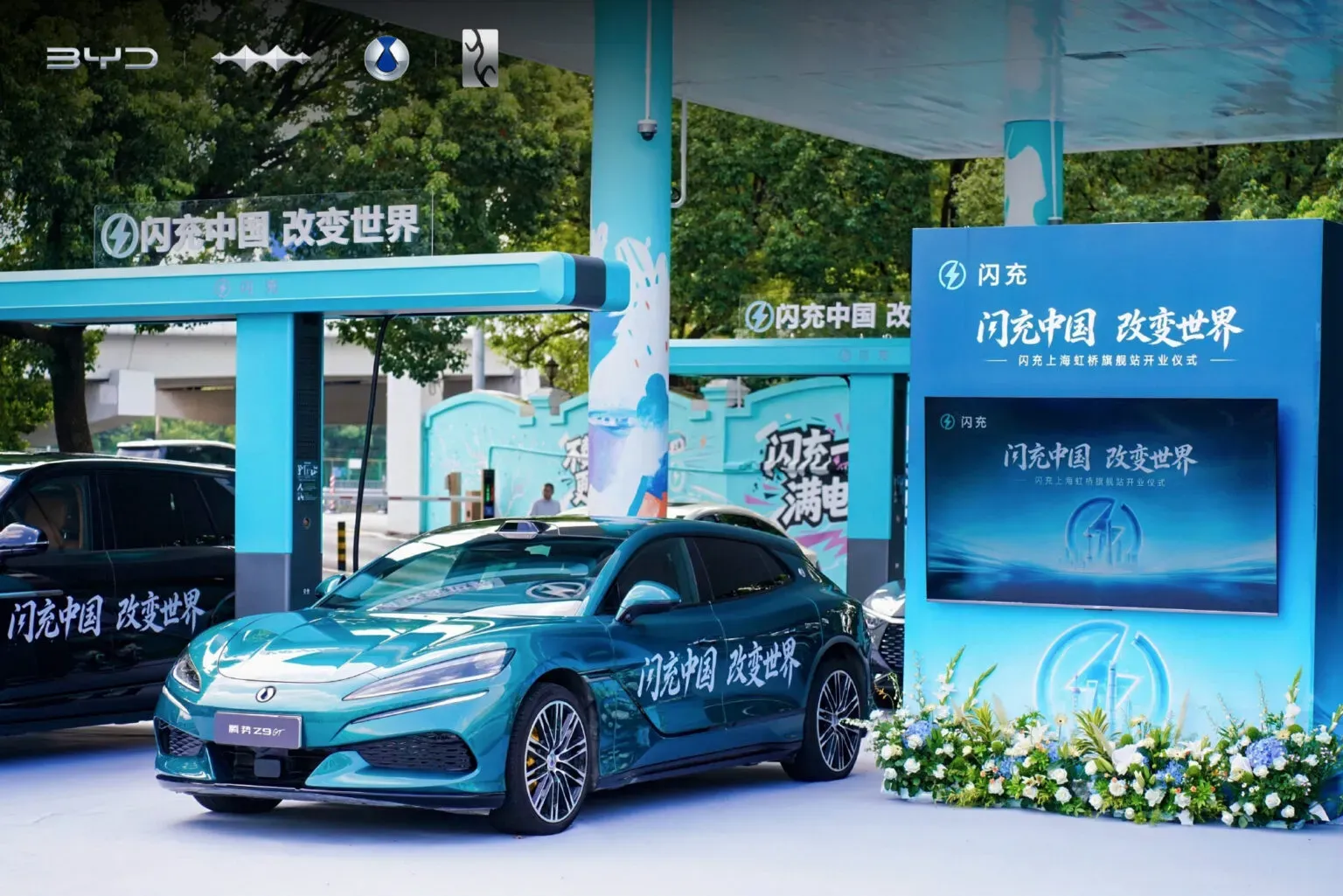
According to Reuters, another key factor is that increasing charging power itself is starting to approach cost-effective limits. A Geely manager told the agency that the next stage of development will focus more on expanding the charging network rather than setting further speed records. To avoid overloading power systems, new charging stations are increasingly partnering with energy storage systems and solar installations.
Let us also remember that alternative solutions are being developed simultaneously. NIO already has over 4,000 battery swap stations, where the entire process takes about three minutes—less even than the fastest wired charging available today.
Oskar Włostowski