
Geely is developing 1,800 kW chargers: charging an electric car will take less than five minutes
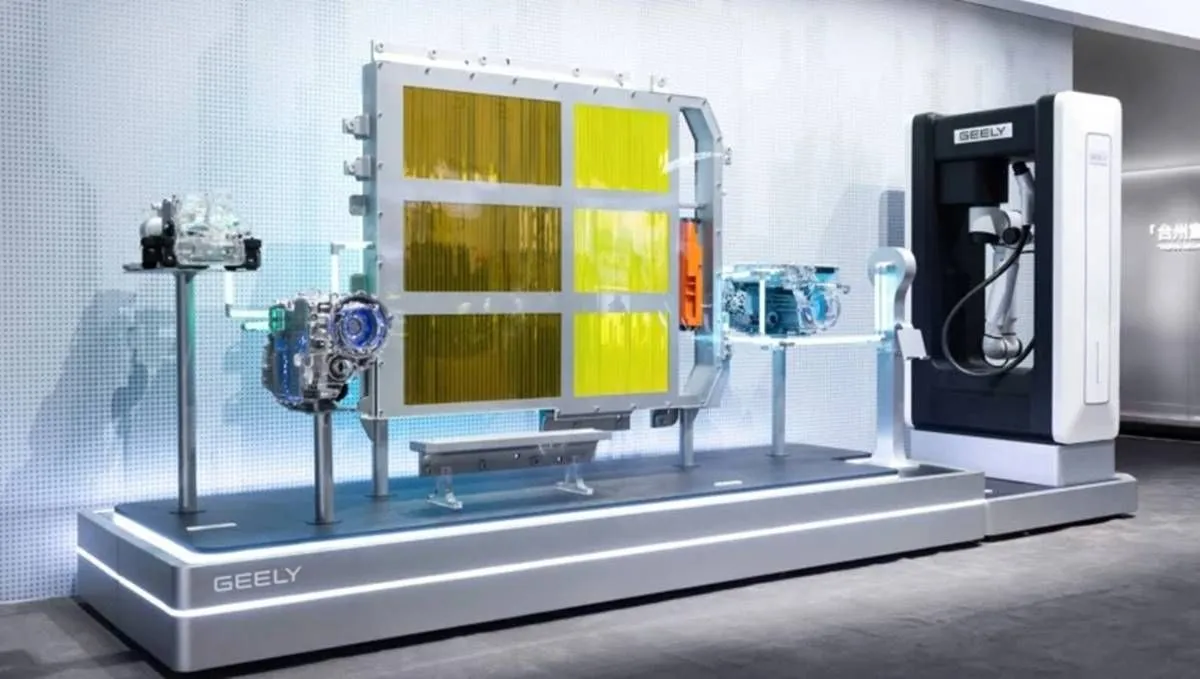
The race to make charging an electric car as fast as refueling a gasoline vehicle has taken another step forward. Geely is developing a new generation of ultra-fast chargers capable of delivering 1,800 kW of power, a figure that exceeds even the 1,500 kW claimed by BYD for its Flash Charging system.
This information comes from the United Kingdom, where Michael Yang, Geely’s CEO for the country, explained during the launch of the new Geely EX2 that the company is already working on this infrastructure in China. The goal is highly ambitious: to enable compatible cars to regain a massive amount of energy in just a few minutes, with the possibility of completing a charge in about five minutes.
It’s not simply a matter of installing a much more powerful power outlet. Geely is following a strategy similar to BYD’s, aiming to use stationary batteries as an energy reserve alongside chargers. This way, enormous power can be available for a few minutes without constantly demanding an equivalent capacity from the electrical grid.
This approach becomes highly sensible when dealing with powers over 1,000 kW. A station capable of delivering 1,800 kW directly from the grid would require substantial electrical infrastructure, whereas a storage system can gradually accumulate energy and release it when a car arrives to charge. This is exactly the kind of solution BYD is using with its 1,500 kW Flash chargers.
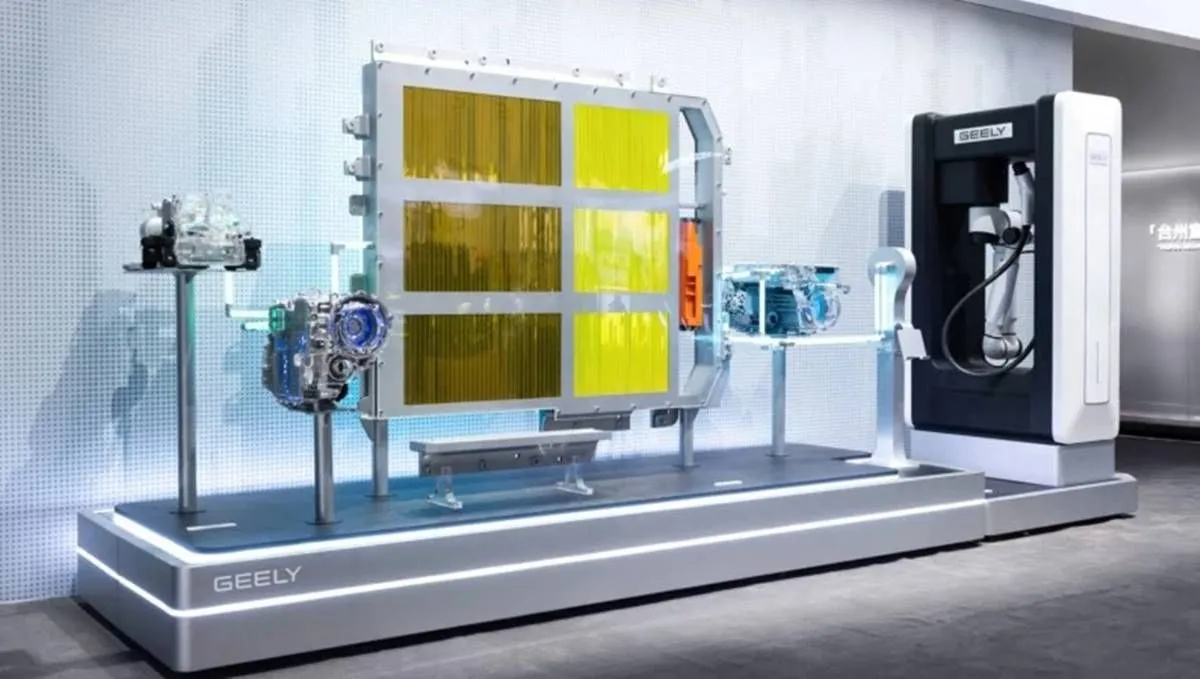
Geely is not starting from scratch when it comes to high-speed charging. Within its group, Zeekr already uses 900-volt systems, and some of its models can achieve charging powers exceeding 600 kW. Under certain conditions, these figures allow the battery to go from 10% to 80% charged in less than ten minutes.
The evolution is particularly striking because just a few years ago, talking about 350 or 400 kW seemed reserved for the most advanced electric cars. Now, Chinese manufacturers are entering the realm of megawatts headfirst. BYD already offers a technology capable of reaching 1,500 kW, while Geely aims to raise the bar even further with 1,800 kW.
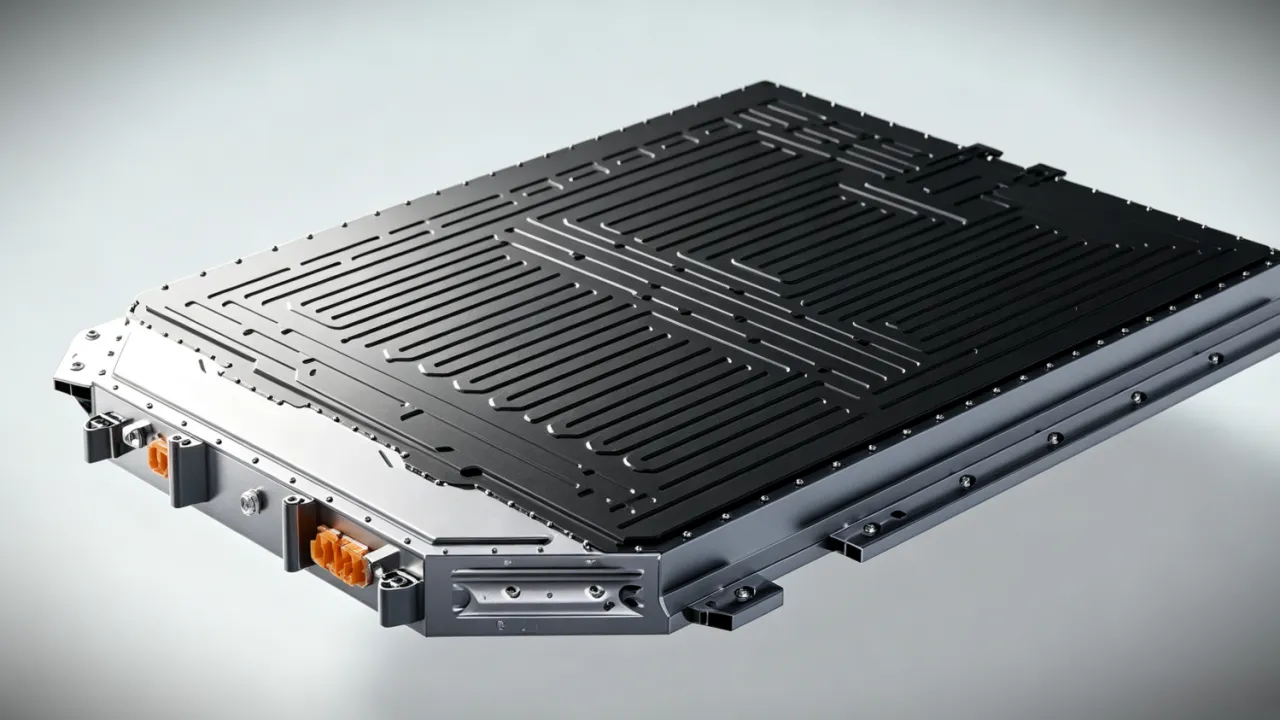
Another important factor comes into play here. Geely is simultaneously accelerating the development of its solid-electrolyte batteries, a technology that could be especially useful to support such fast charging speeds. According to Michael Yang, Geely’s first fully solid batteries will be available in China within just a few months.
The company has previously stated that it is conducting tests on actual vehicles in 2026 and plans to launch a pilot program in 2027. The most advanced version of this technology aims for an energy density of up to 500 Wh/kg, with the goal of achieving a range of over 1,000 kilometers.
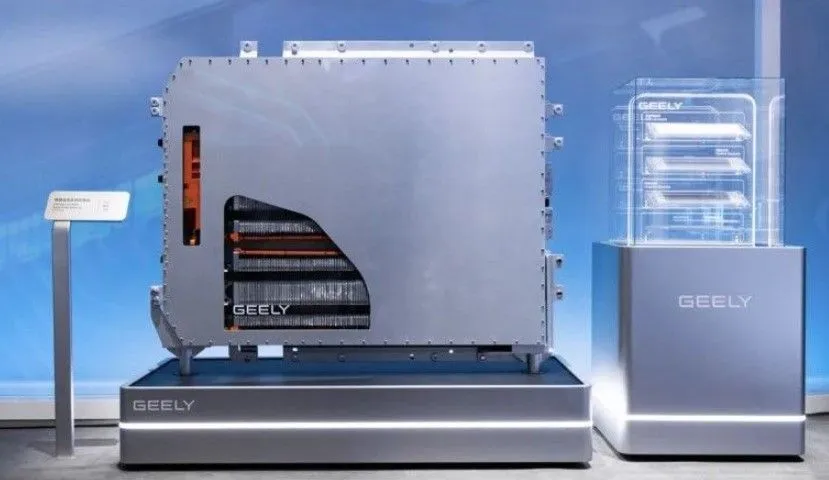
We should still approach these figures with caution. Geely has not explained what capacity the first solid electrolyte packs will have, what maximum charging power they can actually handle, or what range can be achieved under the European WLTP cycle. For now, this is about technological goals and a pilot program, not a technology that will appear in all of its models by tomorrow.
In any case, the combination of solid batteries and megawatt-level charging could significantly change the game. A battery with higher energy density would allow for reduced weight to maintain a certain range or greatly increase the driving distance without enlarging the pack size. And if it can also accept enormous amounts of energy in very little time, charging stops start to resemble much more the breaks we take currently to refuel.
Geely is also aware that China and Europe do not start from the same level of electrical infrastructure. Yang acknowledges that deployment in the UK will need to be approached more cautiously than in China. The top priority will be to facilitate home charging through chargers installed at residences, with models capable of handling higher charging speeds introduced later.
To operate 1,800 kW stations, it will also be necessary to work with operators and partners specialized in charging infrastructure. Geely does not seem to intend to build the entire network on its own, but rather to collaborate with specialized companies to make deployment possible.
The company does have significant goals for the British market. Geely aims to achieve a 5% market share in the UK by 2030, which would mean selling around 100,000 vehicles per year—more than ten times the current volume. Expanding its product range and introducing new technologies will be crucial to reaching this target.
The strategy also includes an interesting detail: Geely’s future chargers won’t be reserved exclusively for its own models. The intention is to allow them to be used by electric cars from any compatible manufacturer.
Yang’s explanation is quite logical. A charging station works in a similar way to a gas station: limiting it to one brand would greatly reduce its potential for use. For an infrastructure that requires such significant investment to be economically viable, it needs to attract as many users as possible.
In this regard, Geely is following a path similar to that of BYD. The manufacturer has already announced that its Flash stations will use energy storage systems to prevent overloading the grid, and it plans to deploy 20,000 Flash stations in China by the end of 2026, in addition to beginning its international expansion.
The difference is that Geely wants to overcome that barrier. If BYD’s 1,500 kW already seems incredible, Geely’s 1,800 kW would represent a new escalation in the race to eliminate one of the main drawbacks still associated with electric cars: the charging time required.