
Geely warns of battery overheating during charging. Is this referring to high temperatures in BYD’s cells?

Geely posted on its WeChat account a reference to the official Chinese standard GB/T 44500-2024, which defines the maximum temperature that charging LFP cells should not exceed. This limit is 65 degrees Celsius, a range where degradation processes begin to accelerate. Meanwhile, in a recent fast-charging experiment, BYD’s batteries reached temperatures over 76 degrees Celsius.
BYD was the world’s and China’s largest producer of electric and plug-in hybrid vehicles in 2025. Geely came in second, but with a significant gap behind the leader. Chinese marketing tends to be more direct than Western marketing, so local media interpreted Geely’s message as a warning about BYD’s batteries (i.e., vehicles). This isn’t entirely unlikely, as similar, almost direct remarks appeared in a CATL presentation suggesting that using LFP batteries in the most expensive and luxury vehicles isn’t a good idea. With capacities over 100 kWh, LFP battery packs weigh more than 800 kilograms and can approach 1 ton.

BYD Blade 2.0 batteries reaching 76.4 degrees Celsius during ultra-fast charging
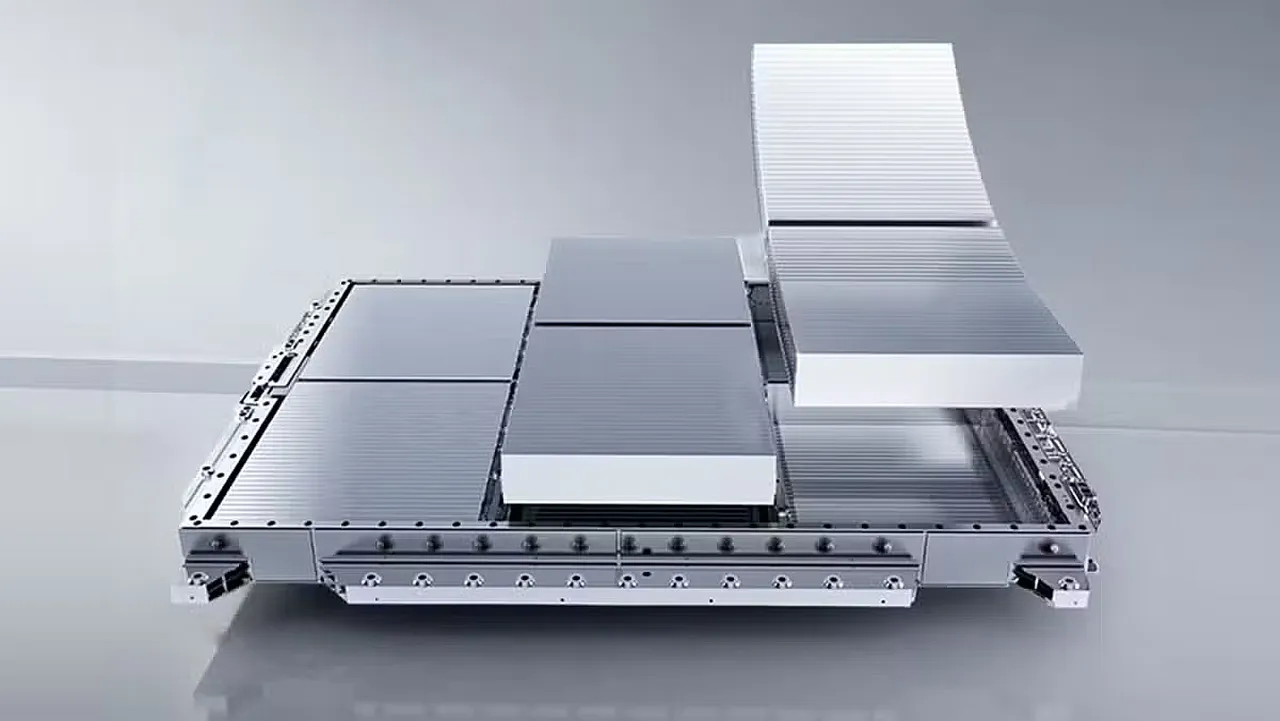
BYD vehicles equipped with Blade 2.0 batteries can achieve charging rates of up to 10 C (10 times the battery’s capacity, such as 1 MW at 100 kWh), allowing them to charge from 10% to 70% in just 5 minutes. However, this comes at the cost of high cell temperatures, and in the future it might also result in lower vehicle safety levels, similar to what Geely has experienced. At such high temperatures and large currents flowing through the battery pack, lithium dendrites grow rapidly. If these do not dissolve in the electrolyte, they can cause a short circuit and cell fire.
[Total: 4 votes Average: 5]
Don’t miss new content — CLICK and FOLLOW Elektrowoz.pl on Google News. You might also be interested in the following ads: