
Geely accelerates electric cars to full charge: 10% to 70% in just 4.5 minutes
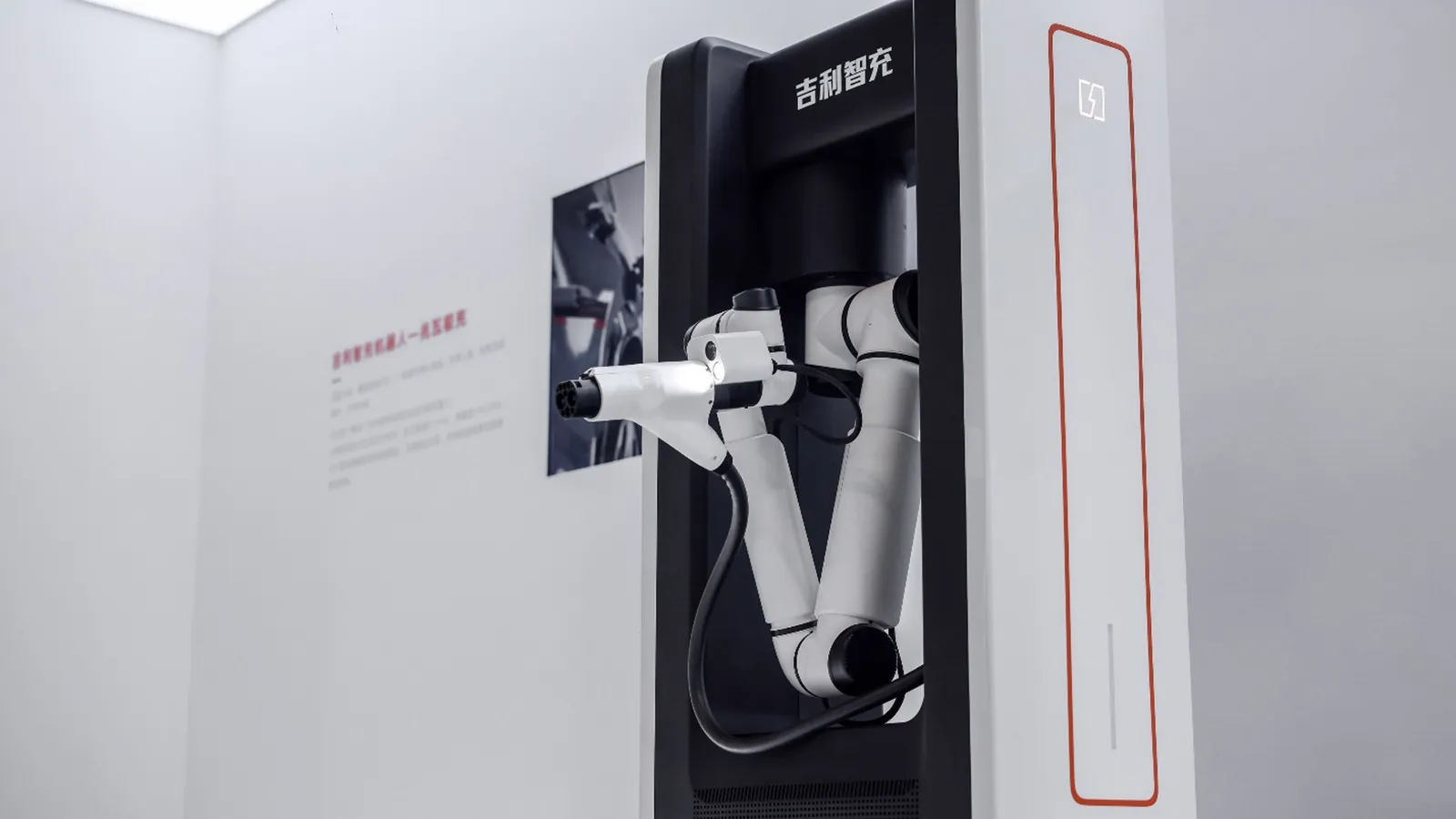
Geely is raising the bar once again in its pursuit of making electric vehicle charging increasingly similar to refueling. The Chinese company has introduced a new generation of its Geely Smart Charge technology, which combines a highly powerful charging infrastructure with advanced batteries and a system capable of adapting to temperature changes during charging.
This approach goes beyond simply installing a more powerful charger. Geely has developed an entire system centered around the battery, the vehicle, and the charging infrastructure to address one of the main challenges that arise when charging power is significantly increased: heat. The initial results already give an idea of how far the Chinese manufacturer aims to go.
A charger with 2.25 MW and over 1,000 kW of actual power delivered to the vehicle
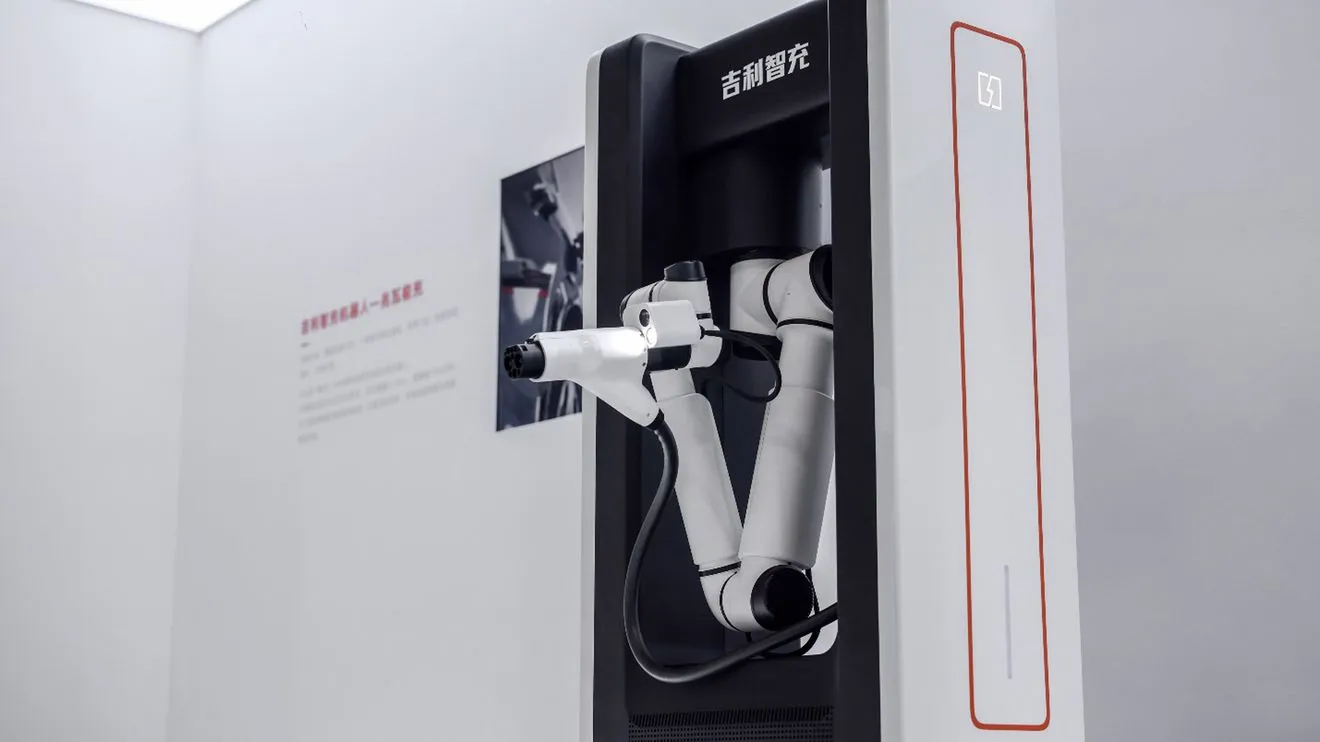
The most striking feature of the presentation is the fifth generation of the Geely Smart Charge station, capable of delivering up to 2,250 kW of maximum power per outlet. This figure far exceeds the levels typically found even in the most advanced ultra-fast charging networks.
But it’s important to distinguish between the maximum power that the infrastructure can provide and what a car can actually handle. In tests conducted at China’s CATARC facility, the Lynk & Co 10 equipped with this technology achieved a maximum charging power of 1,093 kW. During a charge from 10% to 97%, the battery temperature remained below 55 degrees for 57% of the time, with a maximum reaching 64 degrees.
The results are particularly impressive given the time achieved. The Lynk & Co 10 and Zeekr 001 equipped with the new ultra-fast charging battery can go from 10% to 70% in just 4 minutes and 30 seconds, while reaching 10% to 97% takes about 8 minutes and 40 seconds, according to data provided by Geely under normal temperature conditions.
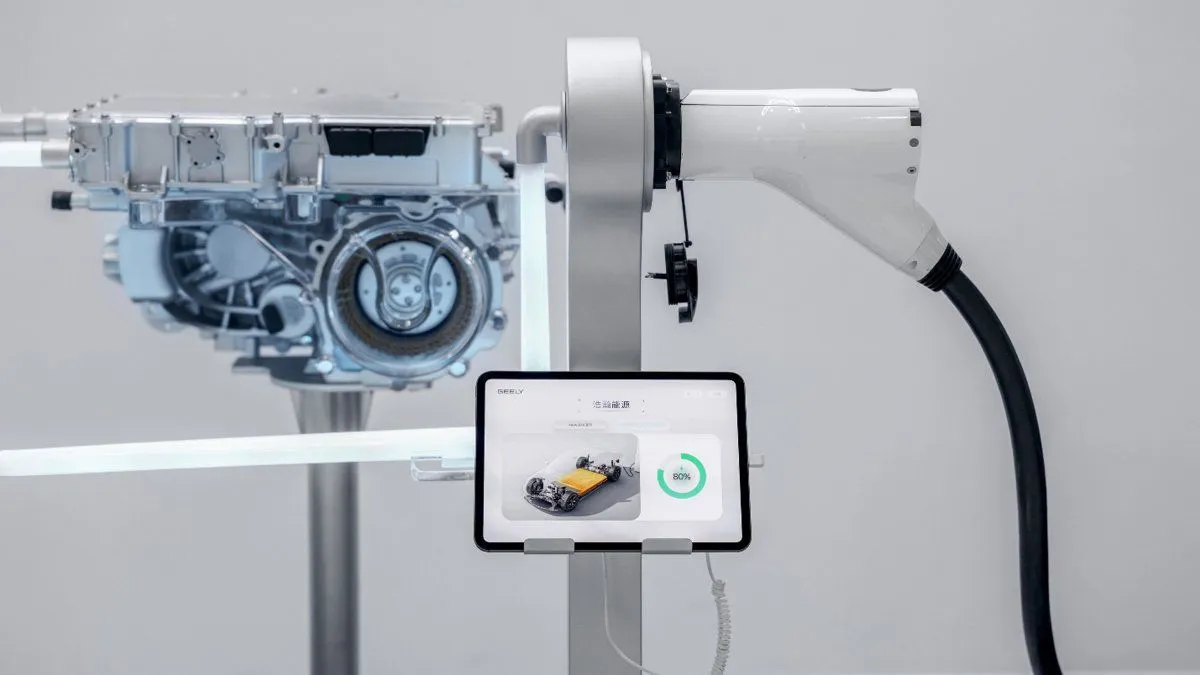
This highlights one of the key aspects of this new generation. When dealing with powers exceeding megawatts, simply increasing the power available in the charger is no longer sufficient. The battery, cooling system, power electronics, and charging management itself must work together to prevent temperature from becoming the main limitation.
Geely has used Xingrui PowerMind for this purpose, an energy management system developed in collaboration with the Chinese artificial intelligence company StepFun. The system analyzes data from the car, battery, charger, and other components involved in charging to adjust power in real time.
Geely claims that its system aims to keep the average battery temperature below 55 degrees and limit the maximum temperature to under 65 degrees. It has also developed a five-point liquid cooling system that affects the entire charging process.
The idea is interesting because the race for ultra-fast charging is starting to shift in direction. A few years ago, the focus was mainly on achieving chargers with 150 or 250 kW capacity. Then 350 kW chargers appeared, and in China, systems with 500 kW and 1 MW capacities were developed. Now manufacturers are moving directly into the megawatt range, where maintaining performance throughout a charging session can be just as important as achieving an impressive peak power level.
New batteries to handle such high power
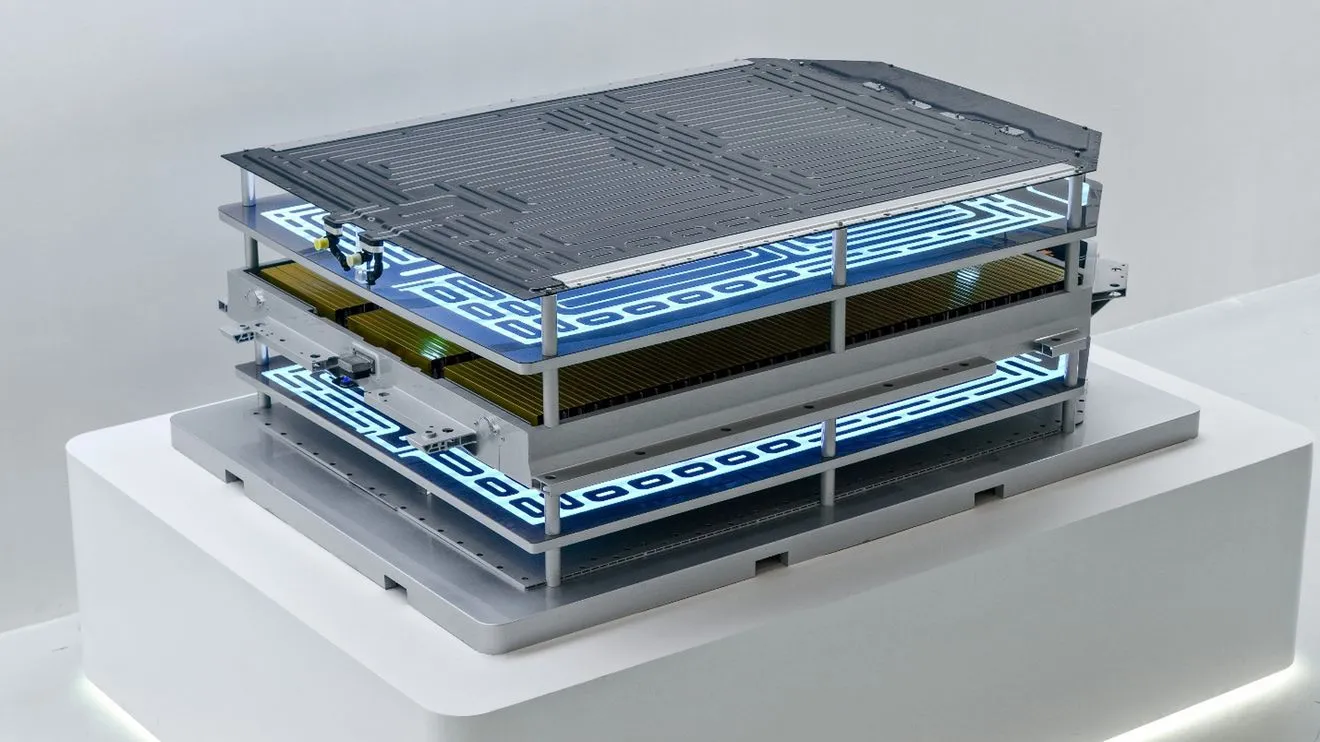
The infrastructure alone wouldn’t be very useful. To make use of a 2.25 MW charging station, a battery capable of absorbing an enormous amount of energy in a very short time is needed. That’s why Geely has also introduced an updated version of its ultra-short format Aegis Golden Brick batteries.
The most powerful version achieves a charging rate of 12C and uses a 395 millimeter format. It is initially intended for the Lynk & Co 10 and Zeekr 001, two Geely Group models that are already ready to utilize this charging technology.
With this battery, Geely claims a charge time of 4 minutes and 30 seconds to go from 10% to 70%, and about 8 minutes and 40 seconds to reach 97%. The company considers this its fastest charging system ready for production.
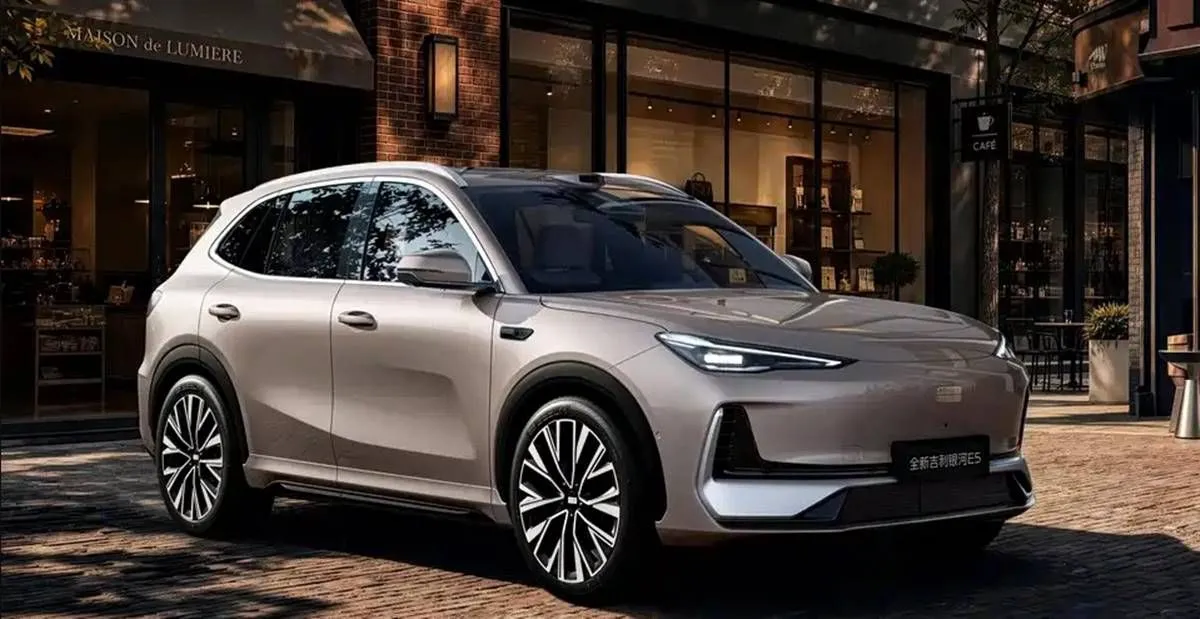
The second battery introduced reduces performance to facilitate its use in larger-sized models. It has a 370 millimeter format and achieves a maximum charging rate of 6C. It will make its debut in the new Geely Galaxy E5, where Geely claims a charging time of 8 minutes and 25 seconds to go from 10% to 70% charge.
The company also claims to have worked on extending battery life over the long term. Its technology uses small current pulses intended to help reverse some of the damage caused by fast charging, and according to Geely, it can increase battery cycle life by up to 20%.
These are figures provided by the manufacturer, and it will be necessary to test how these batteries perform after hundreds or thousands of fast charging cycles. This will be one of the key aspects to monitor as charging powers continue to increase.
Because one thing is becoming increasingly clear: going from 500 kW to over 1 MW does not automatically halve charging times. As power increases, the charging curve and the battery’s ability to maintain that level for longer become increasingly important.
Geely has focused precisely on this issue with its Smart Charge strategy. The company aims for the system to manage the vehicle, battery, charger, power grid, and energy storage together to make better use of the available power.
In addition, the Chinese manufacturer plans to deploy a massive infrastructure network to support its new models. Its goal is to have over 100,000 charging points in China by the end of 2027, with more than 50,000 of these being Geely Smart Charge stations. The company claims it aims to achieve coverage in every county across the country.
Incentives will also be available for early buyers of compatible models. Geely has announced a subsidy of 1,000 yuan per year for two years, up to a total of 2,000 yuan, for vehicles purchased before January 1, 2028. Additionally, the battery warranty for eligible models is extended from 8 years or 150,000 kilometers to 8 years or 200,000 kilometers.
The presentation thus provides a fairly clear picture of where China’s industry is heading. It’s no longer just about installing increasingly powerful chargers, but also about developing the batteries, cooling systems, and management systems needed to make use of them.
The figure of 2,250 kW is quite striking, but it’s likely not the most important number. What’s truly relevant will be seeing how much power the car can maintain throughout a full charging session, how the charging curve evolves, and what happens to the battery after many years of using this type of charging.
Geely has shown that exceeding a megawatt of charging power in a production car is already technically possible. What remains to be seen is to what extent this technology can move beyond demonstrations and become a sufficiently extensive network for drivers to use regularly.