
Geely announces a 2,200 kW charger and takes only 6 days to get it operational
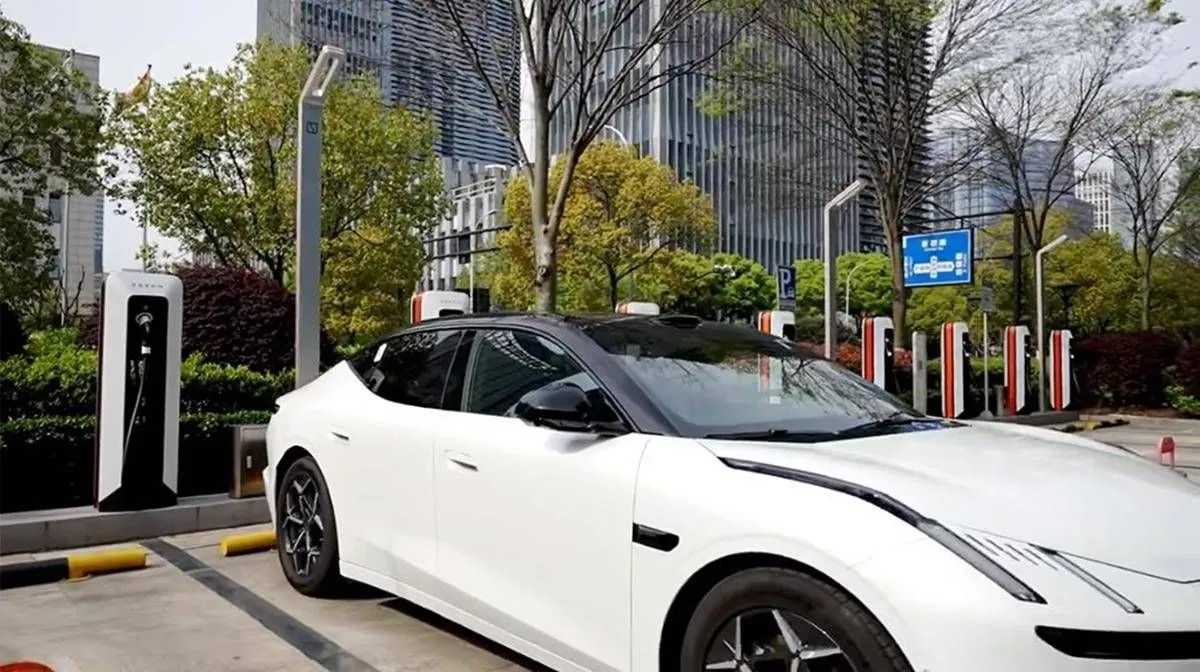
Geely has just taken a step that until recently seemed reserved for prototypes and technical presentations, highlighting the speed gap between the Asian giant’s teams and those in Europe. The Chinese company unveiled its new ultra-fast charging technology just a few days ago, on Thursday, September 24th, and before the news had even a chance to lose its relevance, the first chargers were already in use for customers.
The striking aspect is not only the announced power but also the speed at which Geely moved from announcement to actual deployment. The company managed to bring its new infrastructure to five Chinese cities almost immediately, demonstrating that in today’s race to reduce charging times, it matters not only who can develop a more powerful technology but also who is capable of deploying it in practice.
The new system is called Geely Smart Charging C12 and is part of the company’s strategy to create a charging network that can support its brands, including Zeekr and Lynk & Co. The official launch took place on September 23, and just six days later, on September 29, the first installations began operating in Hangzhou, Shanghai, Ningbo, Jiaxing, and Xi’an.
From a presentation to five cities in less than a week. That is probably the figure that best illustrates how fast China’s charging infrastructure is being deployed. Reports from Chinese media such as National Business Daily confirm that these new stations had already started serving customers.
2.2 MW and full charges in under nine minutes
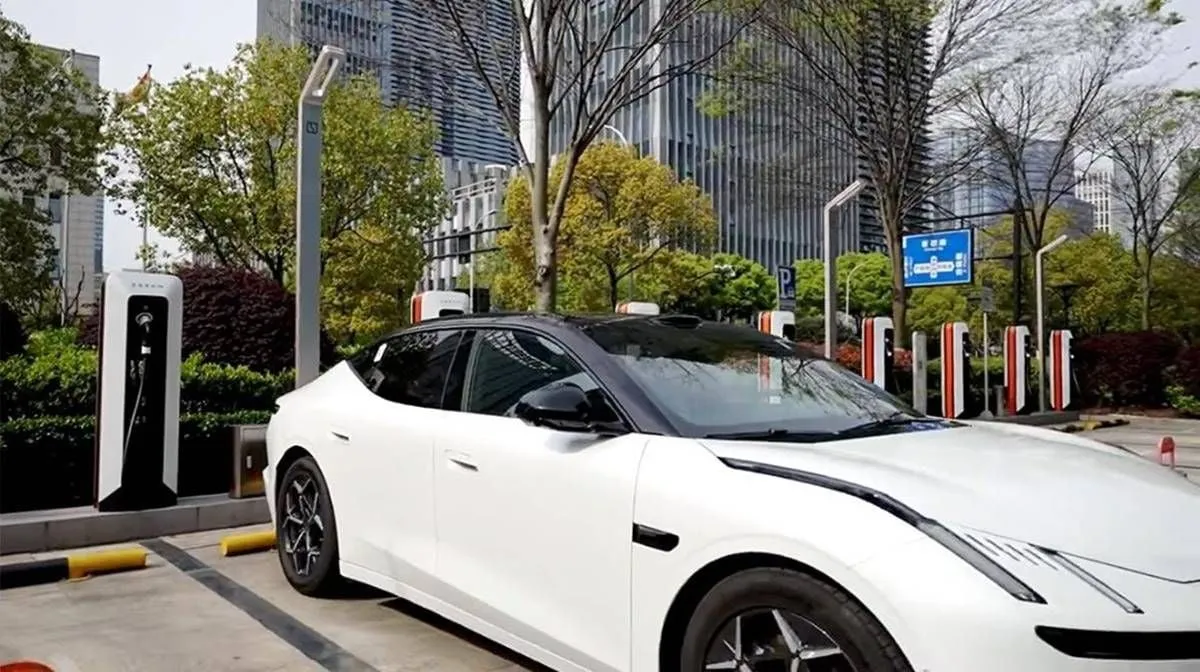
Geely’s new charger achieves a maximum power of 2,250 kW, equivalent to 2.25 MW, a figure that takes electric vehicle charging into territory previously reserved almost exclusively for industrial vehicles. The system operates at a maximum voltage of 1,500 volts and a current of up to 1,500 amperes.
There is, however, an important nuance. The 2,250 kW figure refers to the maximum capacity of the charging system, while the infrastructure can distribute power between two vehicles. In practice, the technology is capable of supplying around 1 MW to each car when two vehicles are charging simultaneously.
Currently, not all cars can utilize those 2.25 MW. Geely developed this infrastructure with its next-generation high-power systems in mind, and for now, the models that can take advantage of it are the Zeekr 001 and the Lynk & Co 10.
In tests conducted by Geely, both cars are able to go from 10% to 70% battery charge in just 4 minutes and 30 seconds, while reaching 97% takes about 8 minutes and 40 seconds. In other words, these times are much closer to what we’re used to with refueling than to those of conventional charging.
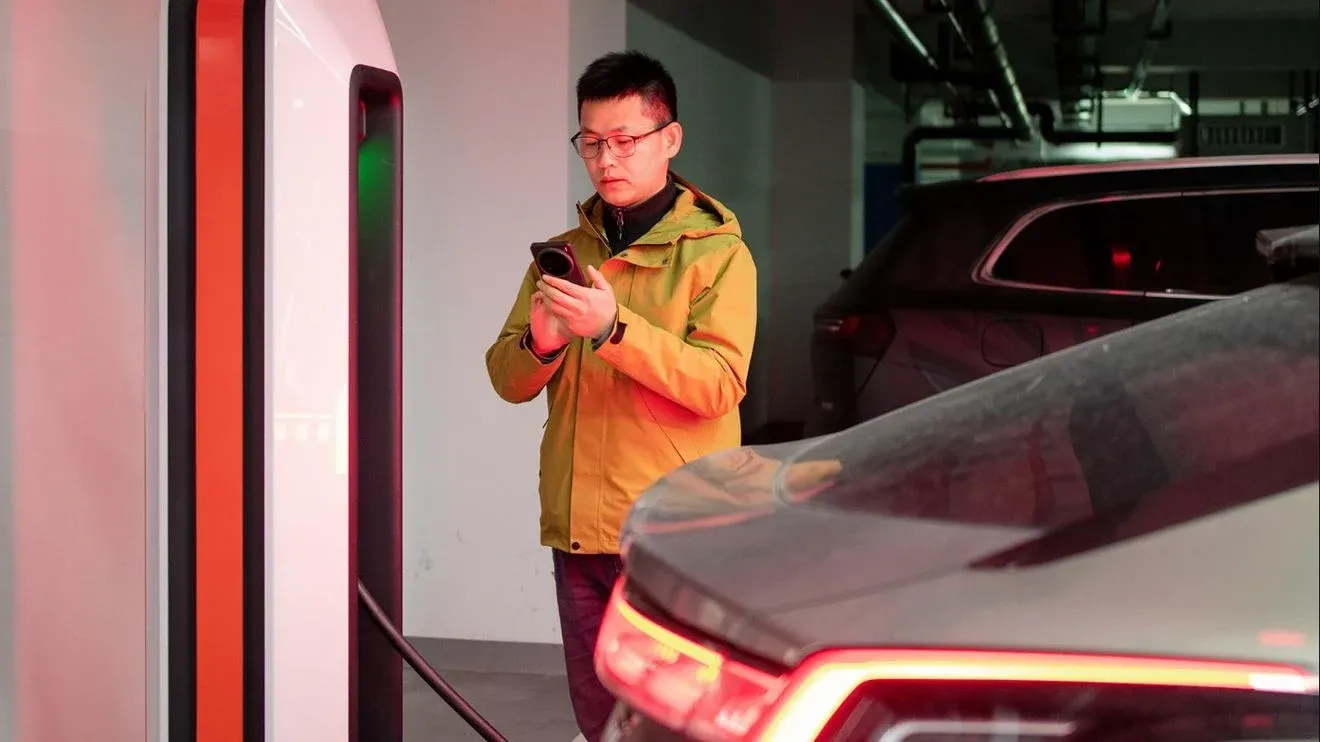
The Zeekr 001 uses a 783.3-volt battery, while the Lynk & Co 10 features a 95 kWh battery pack with a voltage of 772.8 volts. In both cases, the maximum charging power they can currently receive is around 1,100 kW, so the 2,250 kW charger still has room to be utilized by future generations of vehicles.
And this is precisely one of the keys to all this development. Geely is working on a 1,000-volt architecture that will allow it to overcome current charging limits and get even closer to the maximum capacity of its infrastructure. The company aims for its future models to be able to take advantage of the 2,250 kW from this system.
But Geely hasn’t just focused on increasing power. One of the major challenges with ultra-fast charging is the enormous amount of heat generated when so much energy is delivered to the battery in such a short time. To address this, the company has developed an AI-based management system that tries to anticipate temperature rises.
Its PowerMind energy management system can predict battery temperature changes up to 30 seconds in advance and dynamically adjust the charging power. In this way, the system doesn’t wait for temperatures to reach high levels before reacting, but rather adjusts the available power in advance.
According to Geely, during fast charging the battery’s maximum temperature remains below 65 degrees, while the company claims its technology can increase the battery’s cycle life by more than 20%. These are figures provided by the manufacturer that will need to be verified through long-term use of these systems, especially as ultra-fast charging becomes more common.
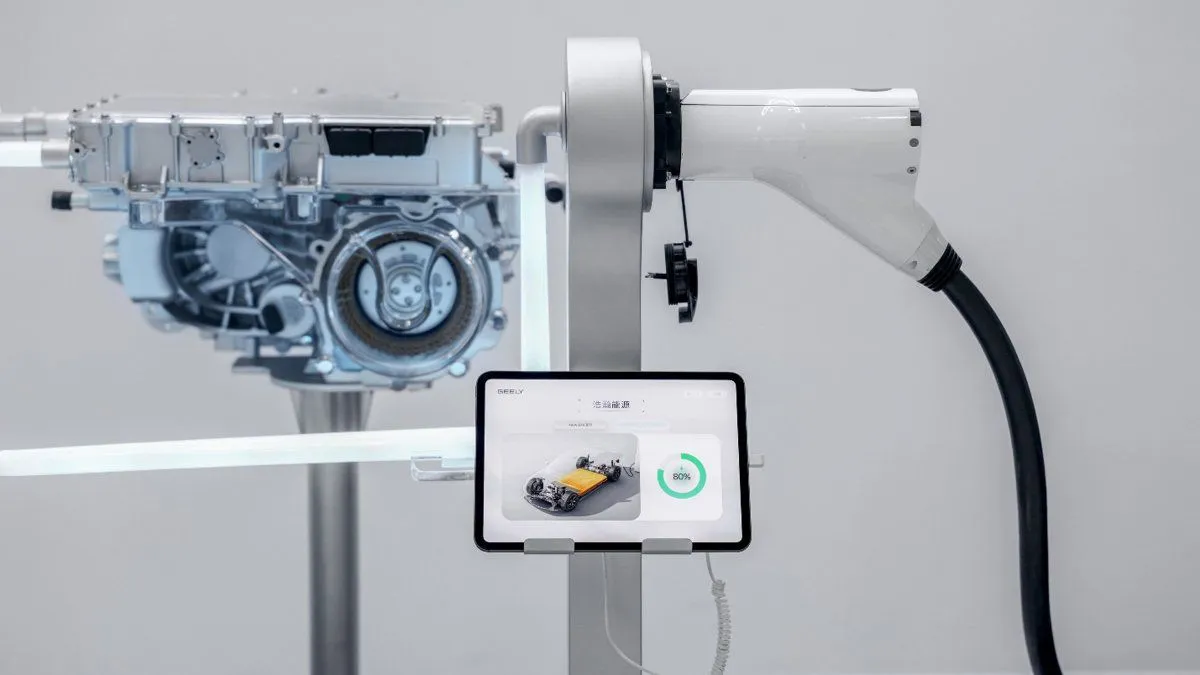
The system also includes liquid cooling at various points along the charging chain to control the temperature not only of the battery but also of the components involved in the process. Geely claims that this architecture helps eliminate some of the major bottlenecks that arise when working with such high power levels.
But what’s truly interesting lies beyond the technical specifications. Geely officially unveiled this technology on September 23, and by September 29, there were already five cities with operational chargers. This isn’t just a demonstration at an event or a prototype installed near the factory — it’s infrastructure that is beginning to become part of the charging network available to users.
This pace does not seem to be temporary. Geely plans to significantly expand its network in the coming months. Its goal by the end of 2027 is to exceed 22,000 charging stations and 100,000 chargers, of which more than 15,000 stations and 50,000 chargers will be part of its smart charging network.
The company already had over 2,500 stations and more than 12,000 charging points across 232 cities before this new rollout, so the C12 is not starting from scratch. It is part of a broader strategy to build its own fast-charging network that keeps pace with the growth of its various brands.
The ultimate goal is for the advancement of batteries and charging systems to progress together. It’s little use developing a charger capable of delivering over 2 MW if there are no cars available to utilize it, but it also makes no sense waiting for those cars to arrive before starting to build the infrastructure.
Geely has chosen to take the lead. It introduced the charger, and just six days later, it’s already being used in five cities. The next step will be to ensure that future cars can make use of all that power, turning the network from a technological demonstration into a standard infrastructure.
The race to reduce loading times has thus entered a new phase. It’s no longer just about announcing impressive figures during a presentation. The difference now lies in who can turn those figures into chargers that users can use just a few days later.
