
Geely charges at 2250 kW and is designed to repair batteries. It promises 20% more charge cycles.
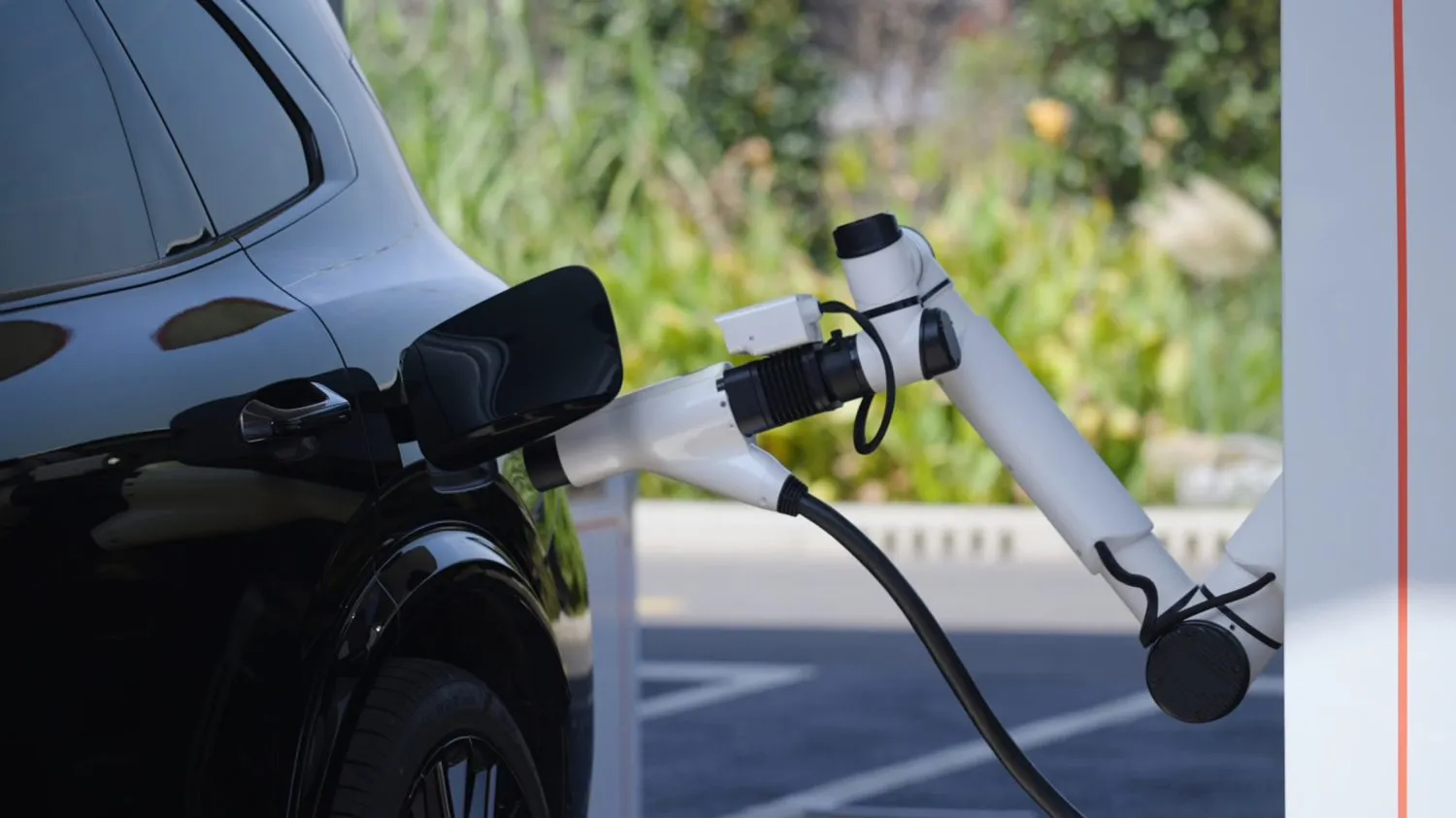
On September 23, 2026, Geely unveiled the fifth generation of its Smart Charging stations in Ningbo, featuring a peak power output of 2250 kW. More significant than the record itself is the micropulse technology, which, according to the manufacturer, reduces the effects of fast charging and extends battery life by up to 20%.
In tests, the battery used in the Lynk & Co 10 and Zeekr 001 was charged from 10% to 70% in 4 minutes and 30 seconds. Charging from 10% to 97% took 8 minutes and 40 seconds.
Micropulses aim to eliminate the effects of fast charging
One of the problems with high-current charging is the deposition of metallic lithium on the anode surface. In this case, ions fail to reach the anode’s structure properly, stop participating in subsequent charging cycles, and the cell’s capacity gradually decreases.
Geely calls its solution “impulse lithium ion regeneration technology.” The system sends micro-impulses through the cells to “reactivate” lithium ions accumulated at the negative electrode during rapid charging cycles. Combined with AI-driven control, this is intended to increase the battery’s cycle life by up to 20%. The word “up to” is crucial here. Geely has not shown results from long-term customer use.
Regeneration is also supposed to work during AC overnight charging. Geely’s low-current charging strategy aims to “gradually” reduce degradation caused by repeated DC charging sessions. This means drivers can use full power on the road, with the home wallbox handling the cleanup later. At least in theory.
The control is handled by the Xingrui PowerMind model, developed in collaboration with the Chinese startup StepFun. The system integrates data from the vehicle, battery, charger, cloud, power grid, and energy storage at the station.
PowerMind is designed to predict battery temperature up to 30 seconds in advance and reduce current flow before cells overheat. Geely aims for an average temperature of 55 degrees Celsius with a maximum of 65 degrees. The liquid cooling system covers five components: the energy storage unit, charger, cable, vehicle port, and the battery itself.
The 12C Battery Outperforms BYD; Cheaper Models Will Have 6C
The Shendun Golden Battery used in tests of the Lynk & Co 10 and Zeekr 001 can accept current at a maximum rate of 12C. For comparison, BYD’s Flash Charging network offers 1500 kW and already has over 10,000 stations. The Blade Battery 2.0 achieves 70% charge in 5 minutes and 97% charge in 9 minutes using this system.
For cheaper cars, Geely is developing a Next-Gen Ultra Short Blade Battery with a 6C rating. Laser welding of cell connections and covers is intended to reduce heat generation by 10%. If these specifications are maintained beyond the demonstration phase, a charging time of about 10 minutes will no longer be reserved for expensive Zeekr models.
Tesla has been limiting the power of Superchargers in cars that are frequently charged using direct current since 2017. Geely aims not only to slow down the degradation process but also to reverse it partially. Would you trust claims of a 20% longer battery life without independent testing involving hundreds of charge cycles?
LovEV Newsletter
Want more content like this?
Sign up — we’ll send you a weekly summary once the newsletter starts.