
It consumes 9.2 kWh per 100 km and can travel 936 km: a new record for Škoda’s 7-seater electric SUV priced at 54,550€
03/09/2026 11:00
Updated to
03/09/2026 18:47
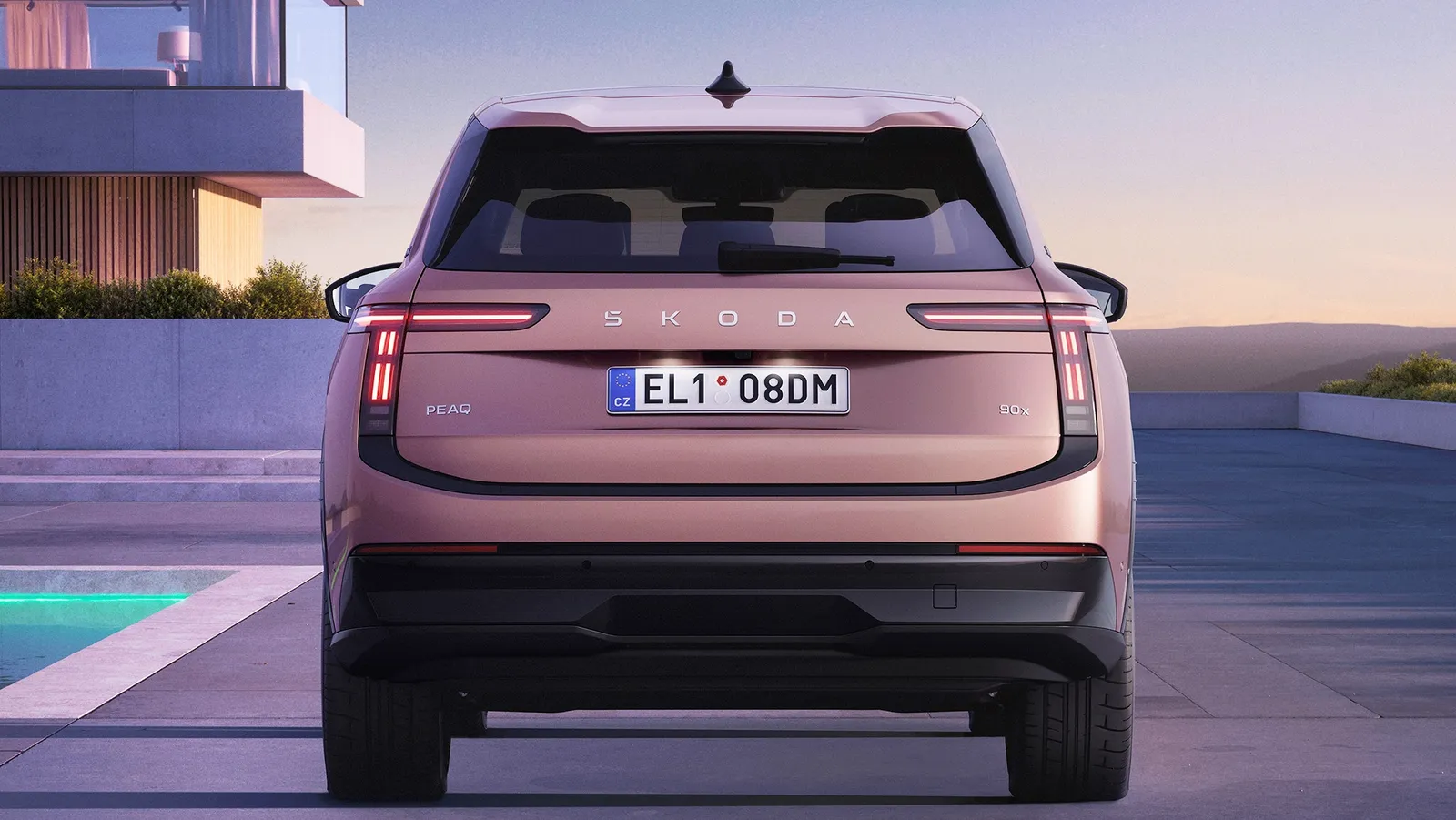
A large electric SUV with 7 seats and a 91 kWh usable battery has just traveled 936 kilometers without stopping to recharge. The star of this feat is the new Škoda Peaq 90, the Czech brand’s flagship electric vehicle, which has set what the manufacturer calls a new record for range among seven-seater electric SUVs. This test was also supervised by the certification body TÜV SÜD.
Currently, the Peaq 90 officially offers up to 647 kilometers of WLTP range, so it managed to cover an additional 289 kilometers, which is nearly a 45% increase. But what may be even more surprising is the energy consumption during such a long journey: just 9.2 kWh/100 km, an exceptionally low figure for Škoda’s largest and most spacious SUV.
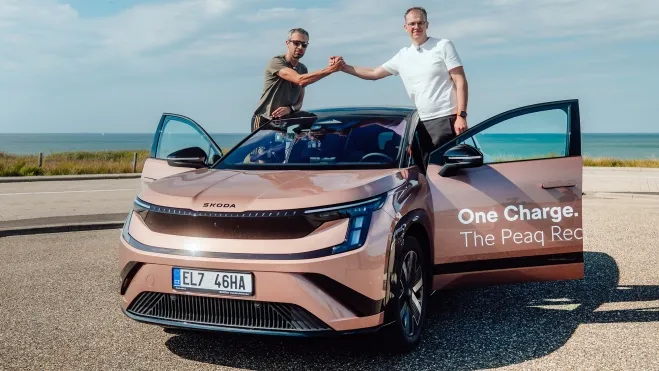
936 km with a 91 kWh usable battery
The car used was not a prototype modified specifically to set the record. Škoda utilized a production-model Peaq 90 with a battery having a gross capacity of 91 kWh (86 kWh usable). This version features a single rear engine producing 210 kW, equivalent to 286 horsepower, and it came equipped with 19-inch tires along with standard low-rolling-resistance tires. Its aerodynamic coefficient is 0.249.
The journey began at noon on August 25 at the Škoda headquarters in Mladá Boleslav, Czech Republic. The company’s employees Marek Jež and Jakub Krs drove through Germany, making stops to take turns driving, rest, and eat, but without plugging the car into any charger. They arrived in the Netherlands the next morning and completed the trip that same afternoon in Zandvoort.
By the time they finally ran out of energy initially stored in the battery, they had traveled 936 kilometers with an average consumption of 9.2 kWh per 100 kilometers. In addition to considering it a record for seven-seater electric SUVs, Škoda states that this distance has been officially recognized in the Czech Republic as a record for the longest range achieved by an electric vehicle on a single charge.
Škoda admits it’s not a realistic daily usage figure
There is, however, a key distinction. The 936 kilometers do not represent the range a owner would expect when using the Peaq under normal conditions. The two drivers specifically planned the route and adjusted their driving style to minimize energy consumption as much as possible.
"The goal was to demonstrate what technology can achieve when pushed to its limits," explains Jakub Krs, head of high-voltage battery strategy at Škoda. To accomplish this, they carefully selected a favorable route and adjusted their driving style. The weather also played a role: the team admits that with rain and wet asphalt, they wouldn’t have been able to achieve such results.
Marek Jež, head of the Peaq range, also acknowledges that customers rarely drive in this manner under normal conditions. The real benchmark remains its WLTP range of up to 647 km. What’s interesting about this experiment is seeing how much the fuel consumption of a vehicle of this size can be reduced when almost all conditions are optimized to achieve it.

Škoda’s largest electric SUV has already surpassed 10,000 orders
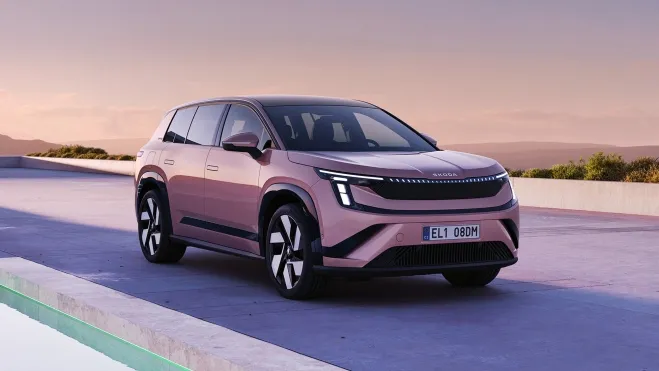
The Peaq is Škoda’s new flagship model and also the largest SUV in its lineup. It measures 4,870 mm in length, has a wheelbase of around 3,000 mm, and can accommodate up to seven passengers. Its trunk offers up to 935 liters of space, depending on the seating configuration.
The range uses the MEB+ platform and comes with two battery capacities and three mechanical configurations. The 91 kWh battery is the largest capacity battery used to date in a Škoda electric vehicle. The Peaq 90 can charge from 10% to 80% of its battery in 28 minutes, and the model also supports two-way charging.
Its production began last August in Mladá Boleslav, on the same line where Škoda manufactures the electric Elroq and Enyaq models as well as the Octavia. The initial market response also appears positive, as it had accumulated nearly 8,500 orders by the end of July, and according to the company’s latest figures, it has already surpassed 10,000 orders placed with first deliveries underway.