
GAC begins battery production in Thailand
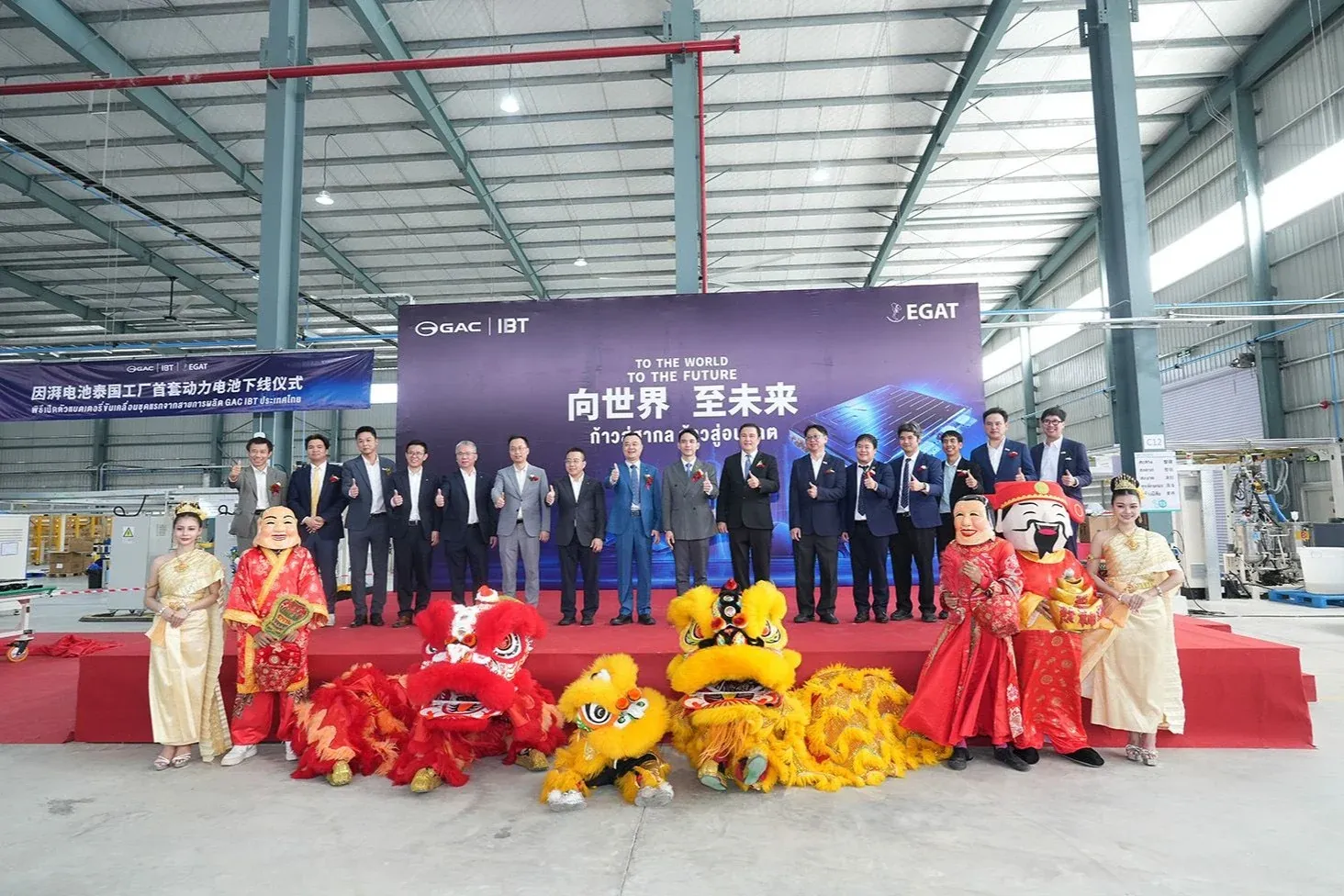
Inpow Battery Technology, the battery division of the Chinese automaker GAC, has begun production at a new facility in Thailand. This move further expands the company’s local manufacturing capabilities in Southeast Asia.
Image: Inpow
Inpow Battery Technology officially started production at its new battery plant in Thailand on October 29. The facility is located east of Bangkok, in Si Racha within Chonburi province. Inpow is responsible for battery production within the GAC Group. The commencement of production represents another step in strengthening the Chinese company’s local supply chains in Southeast Asia.
The opening of this facility coincides with another milestone for Inpow: As the company recently announced, its cumulative global production has now reached 300,000 battery packs. These batteries are already used in a range of electric vehicles under the group’s GAC Aion brand, including the i60, N60, and UT.
With the new plant in Thailand, GAC can bring battery production closer to its vehicle manufacturing operations there. This new battery factory is likely to be important, especially considering the further development of the Southeast Asian market. Local production can shorten transportation distances and reduce reliance on supplies from China.
GAC Aion already produces locally
This move builds on GAC’s previous expansion in Thailand. As early as July 2024, GAC Aion opened its own vehicle factory in the Southeast Asian country. This facility is part of the group’s strategy to use Thailand as a production and distribution base for further markets in the region.
With the additional battery factory, a key part of the value chain will now also be located locally. The combination of vehicle and battery production could help GAC strengthen its competitive position against other Chinese manufacturers that are also increasing their investments in Southeast Asia.
Thailand is considered one of the most important automotive hubs in Southeast Asia and has been striving for several years to shift its industry more toward electric vehicles. The government is promoting the development of relevant production capacity and aims to establish the country as a regional center for electric mobility.