
Future electric Corolla: a risky move for Toyota?
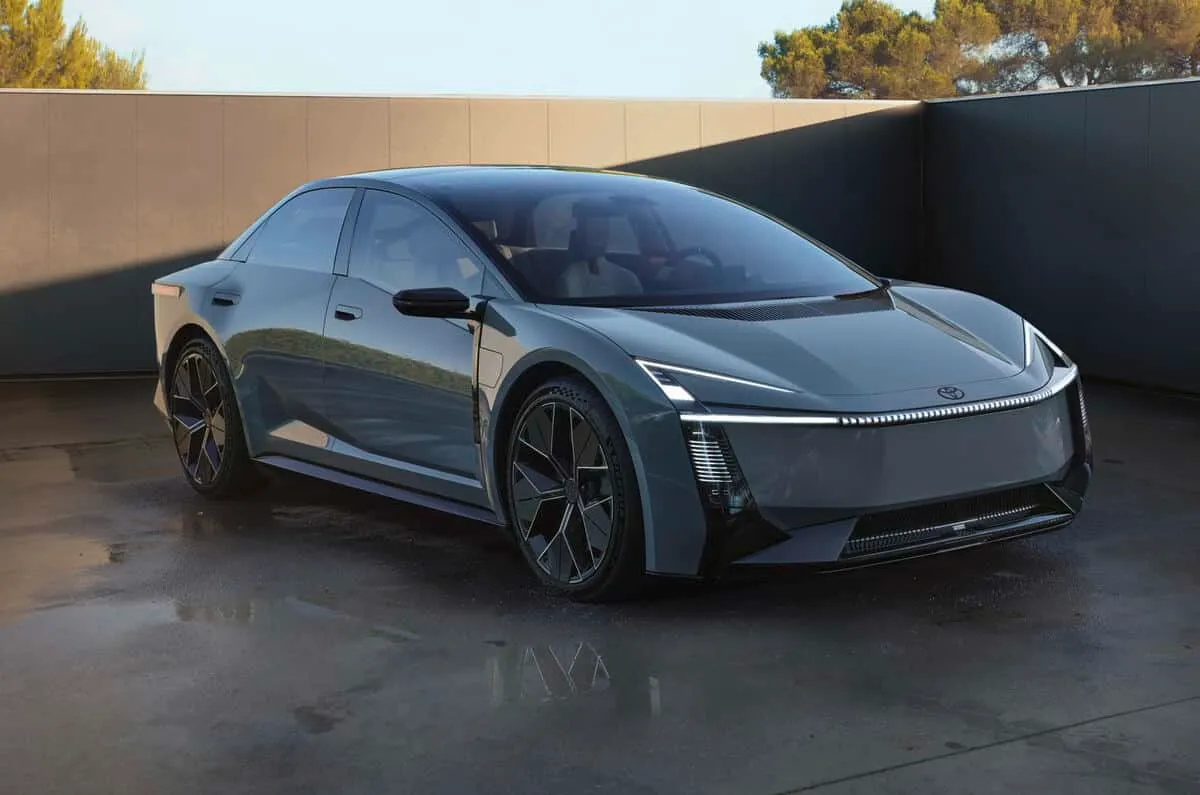
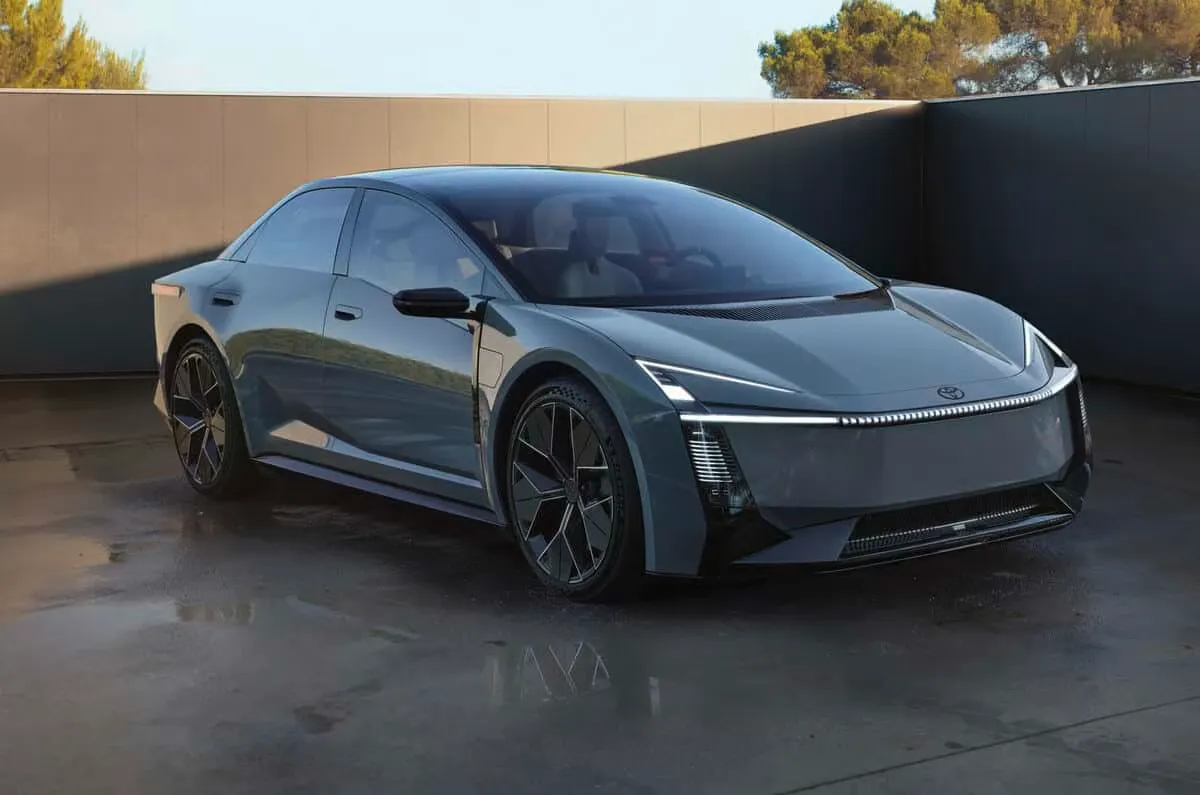
The Corolla is the cornerstone of Toyota’s lineup. This iconic model, which already popularized hybrid technology, is about to take a significant step forward in its history by transitioning to electric power.
Although Toyota doesn’t fully believe in the future of electric vehicles, it still needs to meet the demands of countries where this type of propulsion is growing rapidly: China, Europe, Southeast Asia, and so on. As a result, it will adjust its strategy and vehicle architecture. The Corolla symbolizes this commitment to change, as it will be tasked with leading the way in a few months. It’s a “ball,” meaning that, true to its tradition, the Japanese giant will aim to share components with other models, including those from Lexus.
Also read
Toyota: Struggling with gasoline engines, but saved by electric ones?
This new strategy is of critical importance in China. So far, Toyota has relied on its sub-brands to save the situation: bZ3, bZ3X, bZ5, bZ7. With mixed results. By offering an electric version under the Corolla name, the goal is to make it more familiar and thus reassure customers. This is a similar strategy to that used when introducing hybrids to the compact sedan segment alongside the Prius, or more recently with the C-HR+.
Only a 4-door sedan?
In China, the Corolla will be one of the first models assembled by the joint venture formed between FAW and GAC according to Nikkei Asia. Of course, it won’t be imported from China for the European market. It will be produced in Turkey for the next generation.
However, and this is likely where the problem lies, this new electric Corolla could only be available as a three-door sedan. There will be no hatchback version, let alone a station wagon. For that, we will probably have to wait until the next generation, scheduled for 2034. By then, Toyota will have no choice but to shift to electric vehicles.
If this turns out to be true, it would be a risky move for Europe, which favors electric models but is no longer interested in these small sedans. Moreover, electric cars made in China face higher tariffs and do not qualify for increased EU subsidies in France. It remains to be seen if the brand will develop another strategy for Europe through its factory in Turkey, which is currently causing other issues for the manufacturer.
Also read
Toyota wants its internal combustion engine cars to be considered... zero-emission vehicles