
FSD Lite v14 has arrived in South Korea. Americans with HW3: How is that possible? What about us? Europeans: Wait, so will it work here too?
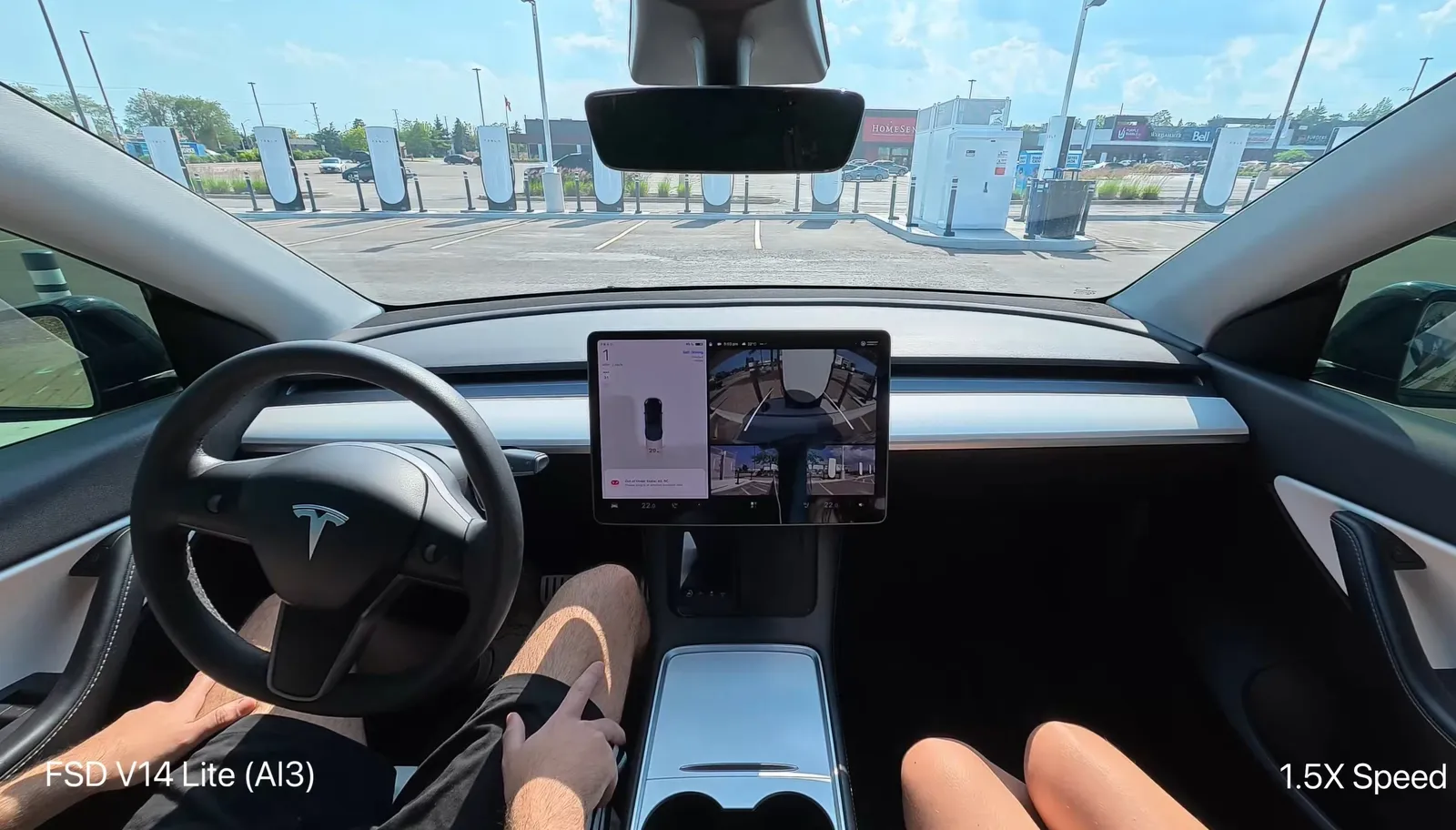
An unexpected launch occurred in South Korea: Tesla announced that owners of Tesla Model 3 vehicles produced in the United States, who received cars equipped with the FSD 3rd generation computer (HW3), will be able to download the FSD v14 Lite update, as long as they had previously activated the FSD package. Americans were slightly confused that a country on the other side of the world was getting something from their home manufacturer that even there had only been available to a small group of brand enthusiasts. But there is a surprising explanation for this situation.
The situation with FSD v14 Lite in South Korea suggests a similar trend may exist in Europe.
Table of Contents
The situation with FSD v14 Lite in South Korea suggests a similar trend may exist in Europe.
What can FSD Lite v14 do?
Is there a chance for FSD Lite in the European Union?
The whole matter might sound complicated, but it’s simple: at the launch of the FSD computer in 2019, Elon Musk made a promise he never kept. Buying a Tesla with the latest version of the FSD computer, HW3, did not enable semi-autonomous driving that isn’t fully autonomous (SAE Level 2 disguised as Level 3). This is partly because the bandwidth for memory access in HW3 is only about 15 percent of what HW4 can handle.
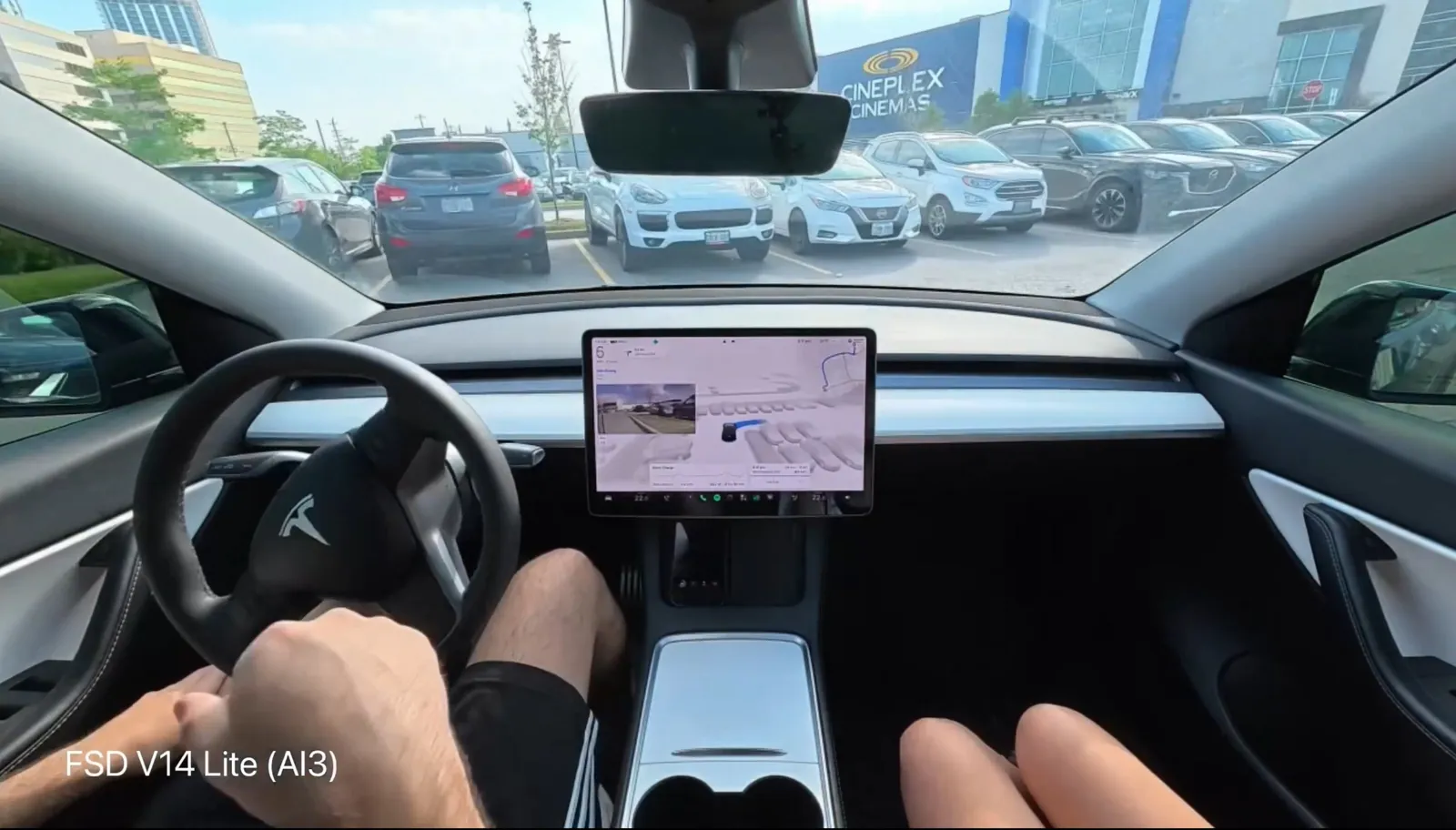
FSD v14 Lite exiting a parking lot. According to witnesses, parking, even at Superchargers, as well as leaving a stop/charging spot, poses the greatest challenges for the software.
In the last days of June 2026, FSD v14 Lite made an unexpected debut in Korea. It is a functional version of FSD v14, specifically FSD (Supervised), adapted to fit the capabilities of an older computer system. It’s somewhat like phones from 12 years ago getting the latest operating system with almost all its features, but labeled as “Lite.” Or as if computers and consoles from 15 years ago suddenly started running the latest games at nearly maximum resolutions.
Full Self-Driving (Supervised) v14 Lite Arrives in Korea
Rollout begins today.
The update will be provided to vehicles sequentially, and the timing may vary. Even if you don’t see the update yet, it’s part of the normal rollout process, so please wait a little longer.
Full Self-Driving (Supervised) v14 Lite is here… pic.twitter.com/EfsqFXBHUm
— Tesla Korea (@tesla_korea) July 10, 2026
What can FSD Lite v14 do?
According to owners of older Teslas, the improvement is significant. The previous FSD v12 (12.x), the last version available on HW3, made basic mistakes and stopped learning. FSD v14 Lite behaves like its older counterpart, lacking only the Mad Max mode (probably due to low camera resolution) and not always handling parking spots well:
There’s no doubt @Tesla FSD V14 Lite is ready to go. After spending a week with it, I’m very impressed by how it has transformed our ownership experience with our HW3 Model Y.
It feels like a new car. It has come to a point where I have no issue taking the HW3 car over my HW4… https://t.co/XPWBEtJ3XF pic.twitter.com/pHVG9FauAr
— Nic Cruz Patane (@niccruzpatane) July 10, 2026
The launch of the FSD v14 Lite package in South Korea angered Americans, but it prompted reflection among the rest of the world. If the software can be used there without any additional measures, why not implement it elsewhere? The software, then still known as Full Self-Driving / FSD, could have received certification along with cars as a standard autopilot, a SAE Level 2 semi-autonomous driving system. It required no additional permits, and the relevant regulations already existed, with all brands utilizing them—not just Tesla.
There are two issues: 1/ South Korea does not automatically implement UNECE regulations, 2/ it is better to sell a new product and make a profit than to satisfy customers who have already paid without earning any revenue. Based on point 1, Tesla was able to activate FSD Lite in South Korea because it has the appropriate local certification based on less restrictive requirements, without the latest UNECE restrictions. It also knows that company enthusiasts will give Tesla significant publicity, helping to pressure authorities to certify FSD (Supervised) / v14 that is not Lite. This should drive point 2 forward, as the country, unlike the European Union, does not automatically adopt UNECE regulations.
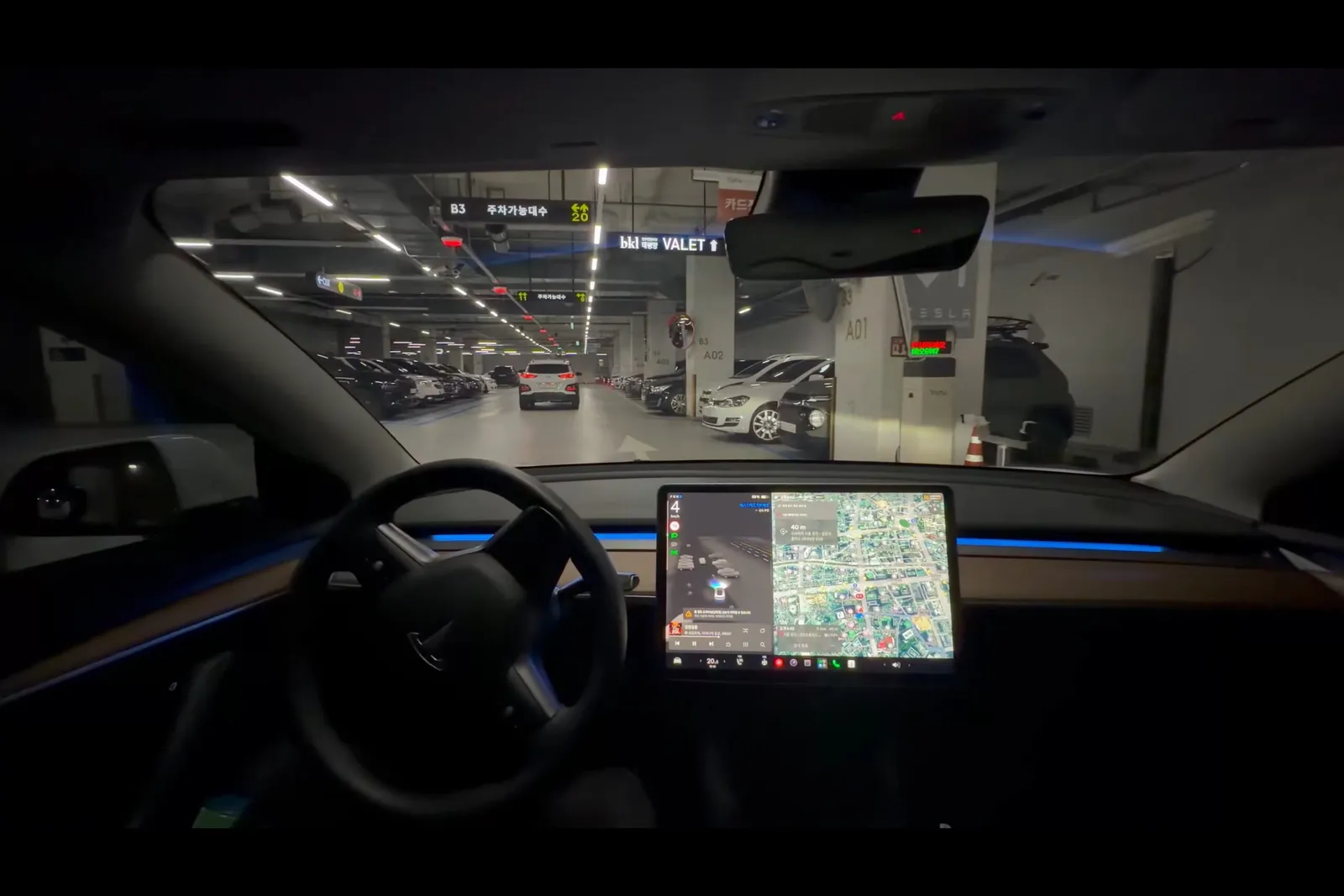
Tesla with HW3 and FSD Lite entering an underground parking lot to find a spot
Is there a chance for FSD Lite in the European Union?
In Europe, a similar trick might not work—new UNECE regulations have replaced the older ones. Autopilot gradually lost its capabilities, as did similar systems in cars from other brands. FSD Lite would either have to operate in an extremely cautious manner, adapt to the organization’s latest directives, or go through the same process as the “full” FSD v14. So it depends solely on Tesla whether it decides that activating the older HW3 computers is commercially worthwhile in Europe.
But despite all these reservations, one thing must be added: Tesla is technically prepared. The capabilities of FSD v14 Lite are sufficient for the system to be introduced in Europe as well.
$TSLA
Tesla FSD V14 Lite drove through an underground parking lot of a building in Seoul.
However, FSD couldn’t park in the spot I wanted, so I parked it myself. pic.twitter.com/sKBa2LrDni
— Tsla Chan (@Tslachan) July 11, 2026
Article Rating
Reader Ratings
[Total: 3 votes Average: 3.7]
Don’t miss new content — CLICK and FOLLOW Elektrowoz.pl on Google News. You might also be interested in the following ads: