
FSD Lite v14 for older Teslas is ready and being delivered to the first car owners. In the United States, as it won’t arrive in Europe anytime soon.
Ashok Elluswamy, Tesla’s head of artificial intelligence, posted on X a message that will delight many owners of older Teslas. Some owners of vehicles with the first generation of FSD computers (HW3) are receiving the FSD v14 Lite package, which is the latest version of the software (“v14”) for semi-autonomous driving. It has been simplified (“Lite”) to fit the capabilities of older hardware, as the current hardware platform (HW4/AI4) features faster processors and cameras with higher resolution.
Table of Contents
FSD Lite v14 in Early Tests
FSD Lite in Europe
The FSD computer was first unveiled in April 2019, with development beginning in 2016, shortly after Tesla parted ways with Mobileye. Today, over seven years after its introduction, Tesla owners who believed in the highly autonomous driving capabilities of their vehicles will finally be able to experience them. FSD Lite is starting to reach the first customers (in Poland, that would be Mr. Daniel Markiewicz, if he hadn’t changed cars along the way… ) and, if everything goes according to plan, the software will be made available more widely in the coming weeks.
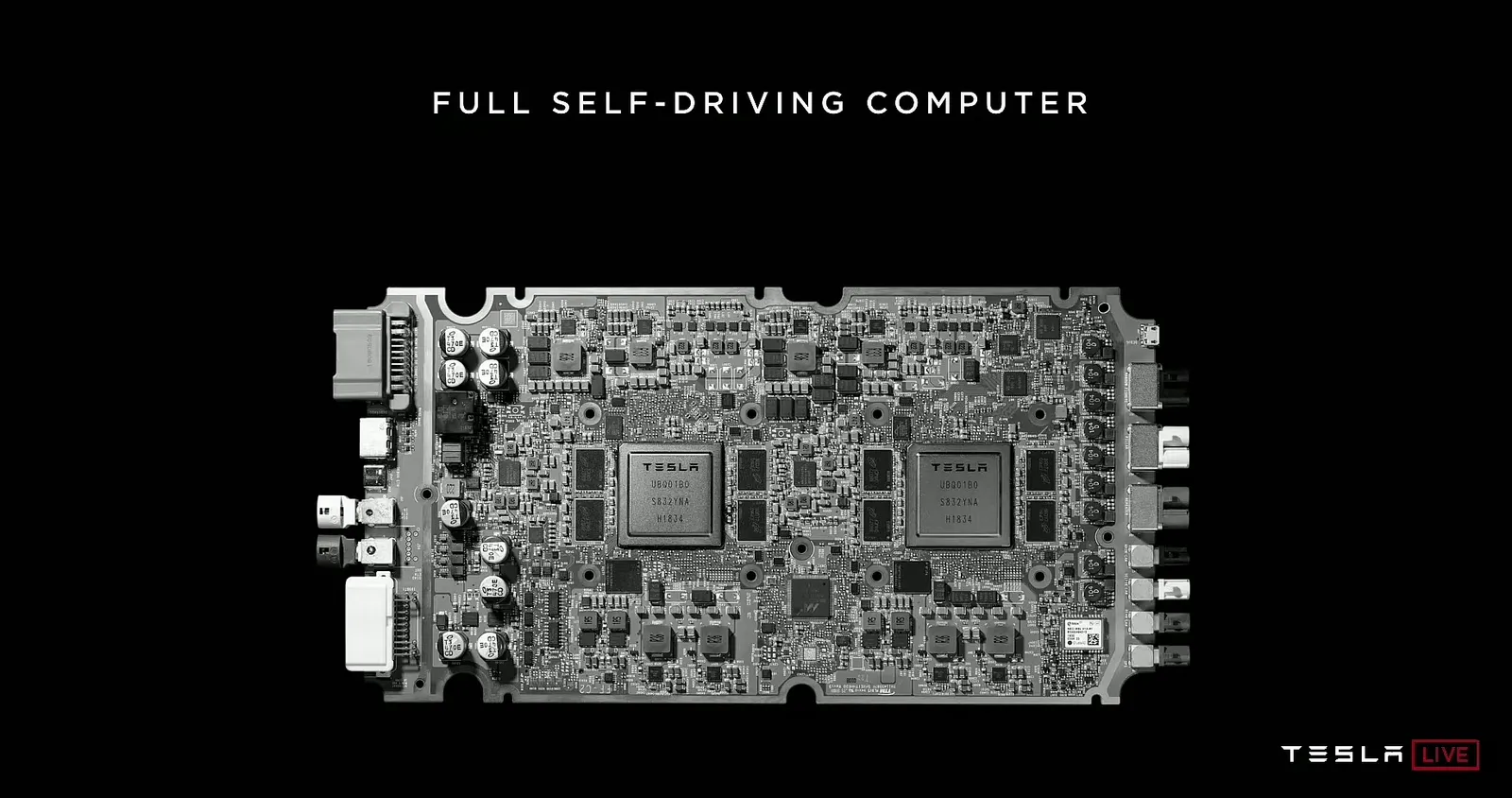
The first FSD computer, HW3. The numbering comes from the Autopilot variants; HW3 was the third generation of Autopiloto (c) Tesla
FSD v14 Lite is now being rolled out to AI3 early-access customers. Based on feedback, it will be made available to more customers over the next few weeks.
This version incorporates the driving behavior from AI4’s v14 series into both the camera and compute configurations of AI3. It includes destination…
— Ashok Elluswamy (@aelluswamy) June 29, 2026
As Elluswamy emphasizes, FSD Lite transfers the behavior of the “full” FSD (Supervised) Full Self-Driving Function to older computers, taking into account their hardware capabilities. He used the word “distills” and mentioned “behaviors,” indicating that it is a heavily reduced version of the software, a side branch of FSD (Supervised) that attempts to mimic a full version. It’s no surprise—even Elon Musk doubted whether the older HW3 platform could handle the computational demands of supervised semi-autonomous driving.
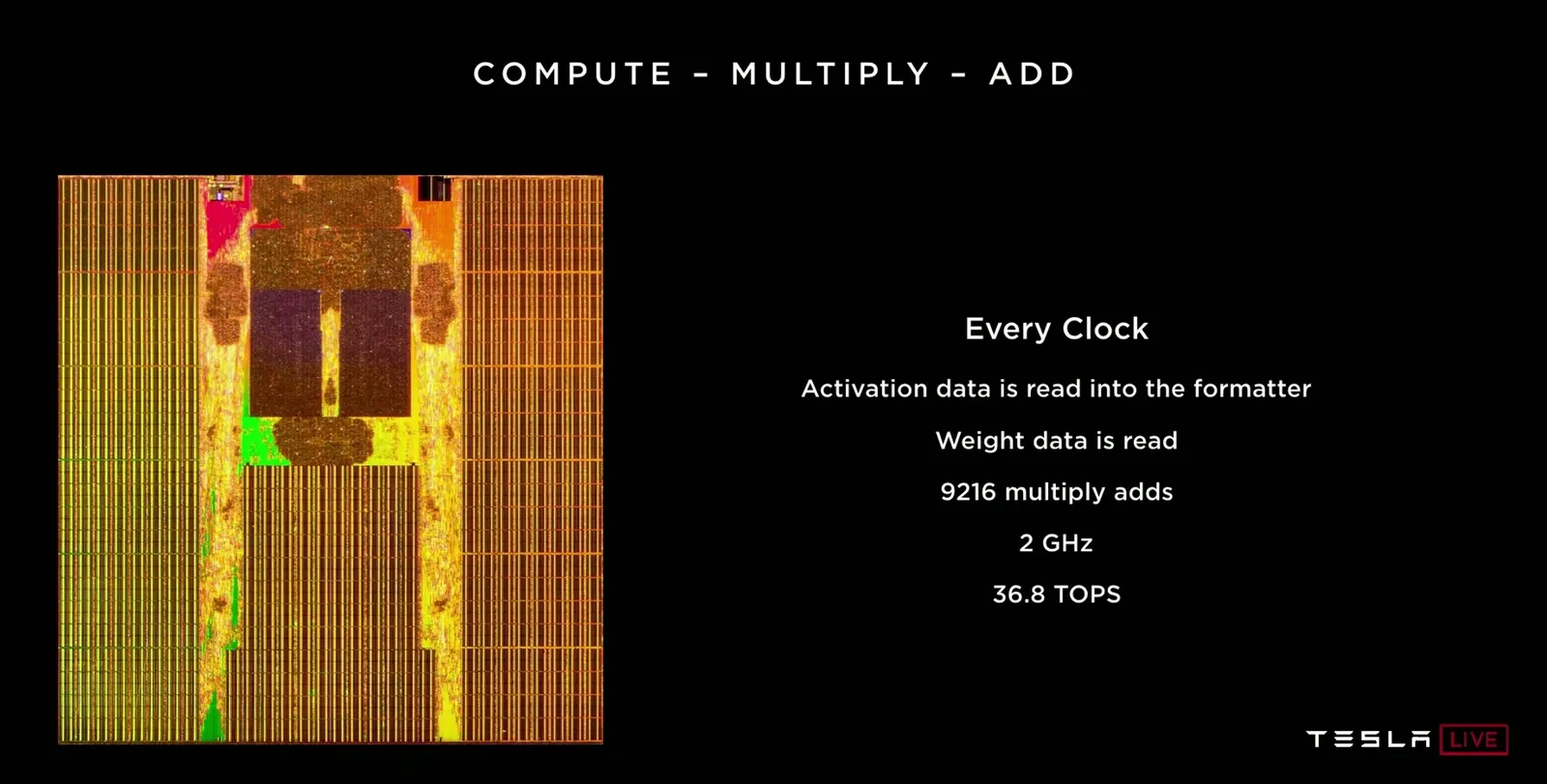
The FSD processor core. During development, Tesla moved beyond the type of calculations performed during semi-autonomous driving and analyzed energy consumption during those operations. The entire computer used only 72 W.
Among the added features were the ability to park at a destination (parking lot, street, or even by the curb near a charger), starting on a route (including reversing), various driving styles (lazy, calm, standard, urgent), reactions to surrounding traffic and the navigation-predicted path (including proactive actions). The number of unnecessary braking instances was reduced, steering was improved, and maintaining the vehicle in the center of the lane was refined.
v14 Lite Release Notes:
- The intelligence from HW4 V14 was distilled into HW3. This enables HW3 to directly learn how to handle scenarios using HW4 V14 as a guide. This process unlocks the improvements made to HW4, including Reinforcement Learning (RL) and offline capabilities… https://t.co/i7ixDOHzud
- Tesla AI (@Tesla_AI) June 29, 2026
FSD Lite in Europe
The release of FSD v14 Lite does not mean the software will be widely distributed, as Tesla must weigh whether it is worth increasing the value of older cars at the expense of newer ones. Nor should we assume the software will soon appear on European roads. The Old Continent still lacks a legislative framework that facilitates the adoption of such solutions; one is only emerging in UN and European Commission offices, so the manufacturer may simply not want to fight those who have already spent money and bought cars.
They have already accepted the fact that they paid for a promise that was not kept.
For Tesla, the appealing aspect might be the potential financial benefits, such as attempting to sell an FSD (Supervised) subscription to those who can’t afford a new car. But again, given that interest in FSD (Supervised) is only in the single digits, the entire operation might never pay off.
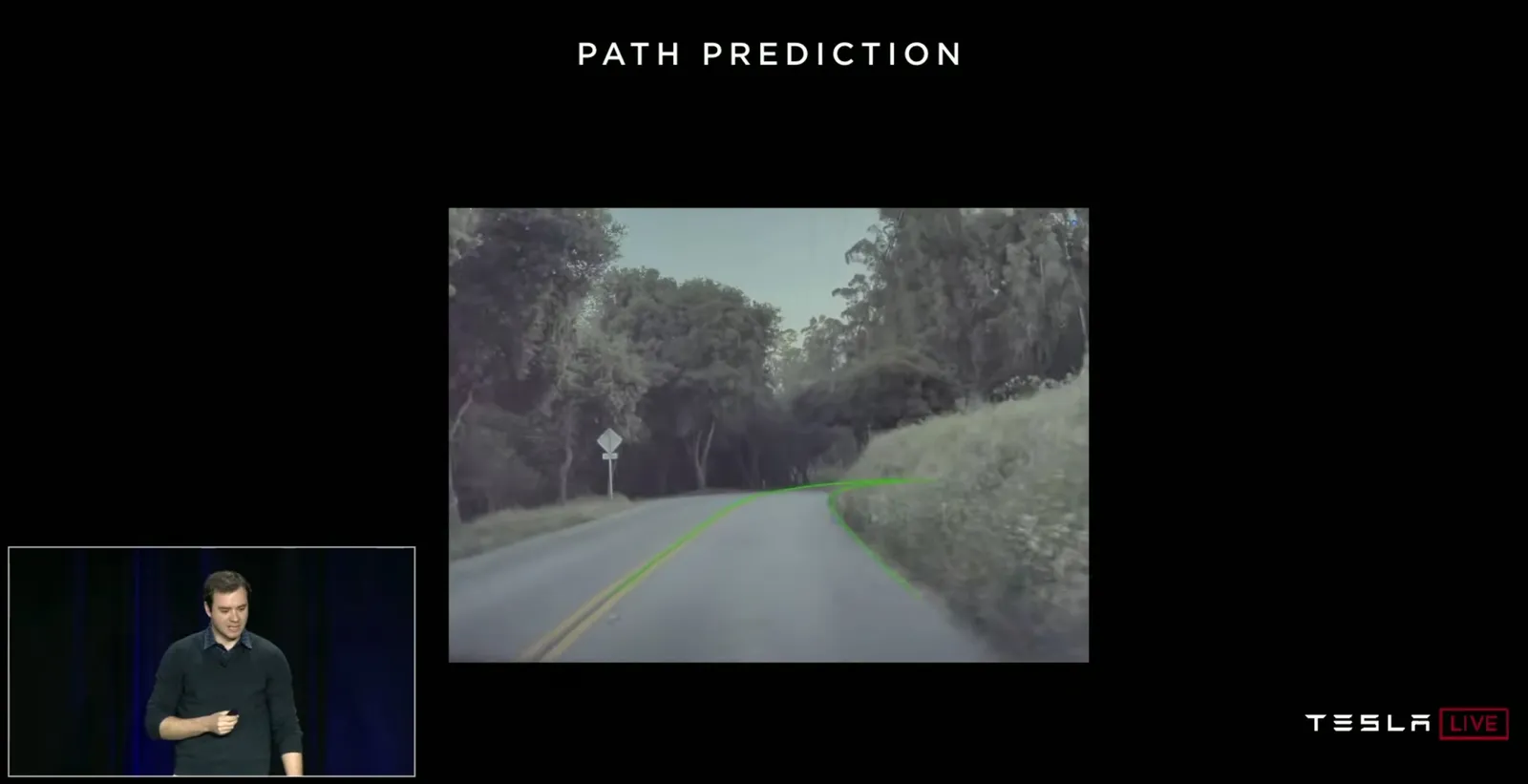
Artificial intelligence predicting road conditions it has never seen before. In humans, this would be considered “intuition.”
Article rating
Reader ratings
[Total: 2 votes Average: 5]
Don’t miss new content—CLICK and FOLLOW Elektrowoz.pl on Google News. You might also be interested in the following ads: