
France is discussing criteria for subsidizing electric cars
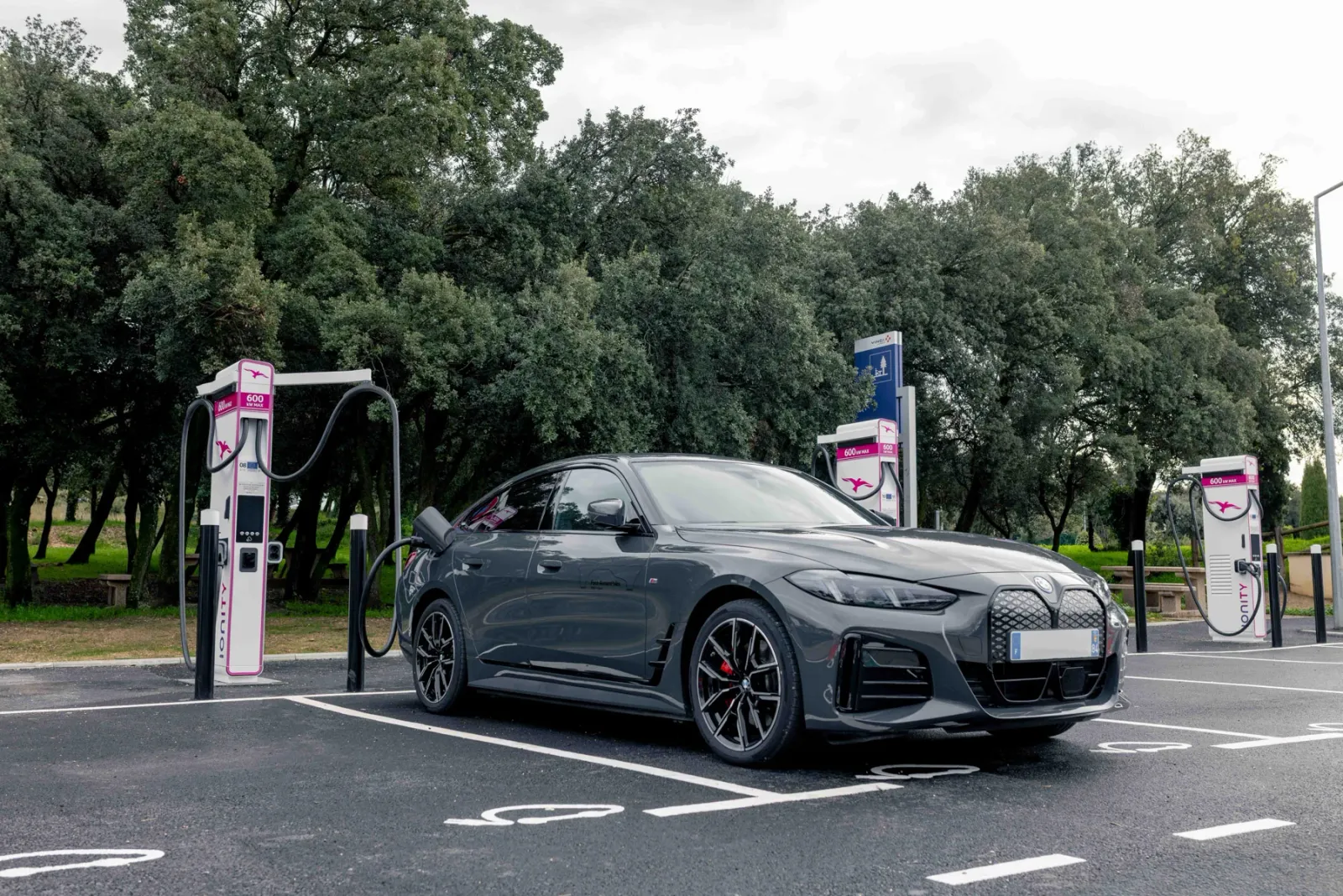
France’s Ministry for Ecological Transition has launched a consultation to adjust the criteria for evaluating electric vehicles from an environmental perspective. These criteria determine in France whether such vehicles qualify for subsidies. The goal is to introduce a third vehicle category, which could lead to stricter subsidy requirements for the currently dominant category.
Image: Ionity
Since the end of 2023, direct subsidies for purchasing electric cars in France (formerly known as the Environmental Bonus, now called “Start-up Aid for Electric Vehicles”) have been linked to an “environmental score.” This means that eligibility for the subsidy depends on the CO2 emissions of the vehicles during their production and transportation. Simplified, this is a disguised “Made-in-Europe” tactic, as coal-powered electricity and long transportation distances disqualify cars made in China from the subsidy upfront. Although the name was changed to “Start-up Aid for Electric Vehicles” some time ago, altering the funding mechanism (from the state to energy providers through the CEE system), the linkage to the “environmental score” still exists today.
However, it now appears he is facing a reform: France’s Ministry for Ecological Transition has launched consultations by October 7 to further develop the scoring system. According to the drafts, a third vehicle category is at the center of these efforts. The background is that there are currently evaluation criteria for two categories: one for vehicles with at least five seats, a trunk volume of at least 200 liters, and an electric range of at least 170 kilometers — and another for all other vehicles. The issue is that almost all vehicles fall into the former category, which is why the government now wants to separate them further.
The draft now proposes creating a category for larger electric vehicles (at least seven seats, trunk volume of at least 410 liters, and an electric range of at least 550 kilometers). The key point is that this new category is intended to take over the current requirements for the CO₂ equivalent value of five-seater vehicles, as emphasized by the website Automobil Propre. Currently, a maximum value of 21,000 kg of CO₂ equivalent is allowed for subsidies. While seven-seater vehicles will now meet this requirement, according to the current drafts, five-seater vehicles will have to adhere to a stricter threshold in the future, namely a maximum of 19,300 kg of CO₂ equivalent. As a result, some models that are currently eligible for subsidies might no longer qualify.
It is also clear, however, that whether the introduction of the third vehicle category will actually take place and whether the limits will be as outlined in the draft will only be decided after consultation.
eletric-vehicles.com, automobile-propre.com,