
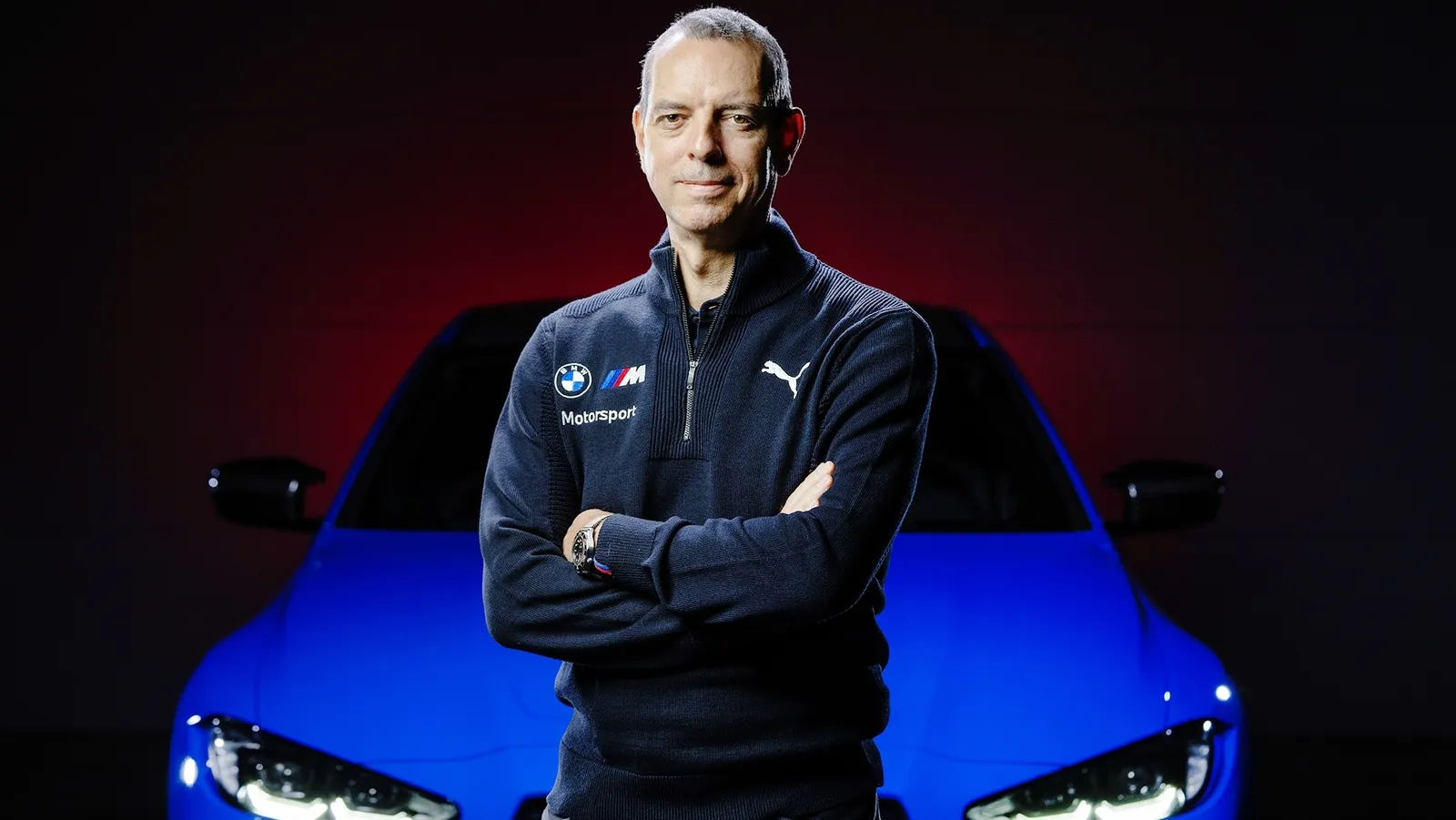
Frank van Meel, CEO of BMW M: "We don’t manufacture electric cars because we have to, but because we want to.
05/09/2026 12:00
Updated to
05/09/2026 12:00
The arrival of the first fully electric BMW M3 could be seen as an inevitable consequence of emission regulations and the shift toward electric vehicles. However, Frank van Meel, head of BMW M, rejects this interpretation. According to him, the performance division is developing this model not because it is forced to do so, but because it believes electric technology enables the creation of a true M car and even improves certain aspects of its current sports models.
"We don’t do this because it has to be done, but because we’re convinced that this way we can build a fast car and an even better one," explains van Meel. But BMW also doesn’t intend to use its new electric sports car to force customers to abandon traditional engines. The next electric M3 will coexist with another gasoline-powered M3, and the company remains committed to six- and eight-cylinder engines. "We don’t decide for our customers what they have to drive," states the head of BMW M.
"It only works if we can do it 100% the way we want."
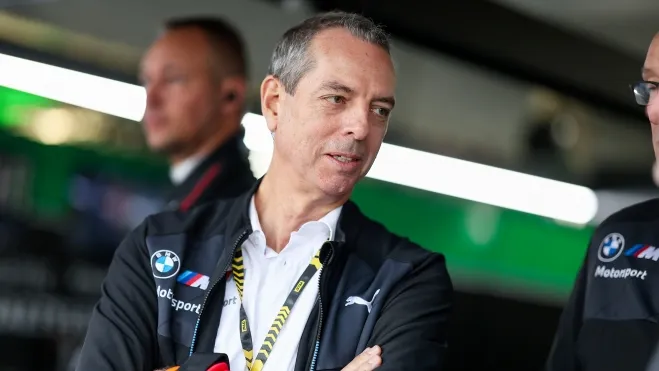
Van Meel acknowledges that making the leap to a fully electric BMW M required waiting until the right technology was available. “The timing has to be right. It only works if we can do it 100% the way we want,” he says. That opportunity has arrived with BMW’s new Neue Klasse architecture, which is being gradually introduced across its electric lineup.
This difference matters because BMW M didn’t want to simply adapt a conventional platform to fit in a larger battery and more powerful motors. “We said we could only create a high-performance M with four electric motors, torque vectoring, individual control, a central control unit, and our own software,” explains van Meel. The result must deliver something that, according to the executive, is essential: a true BMW M driving experience.
This configuration will allow independent control over the amount of torque delivered to each wheel. BMW will be able to adjust the car’s behavior in near real time based on acceleration, braking, or cornering needs, leveraging a level of control that is much harder to achieve with a traditional mechanical system.
Four electric motors and up to 1,000 HP
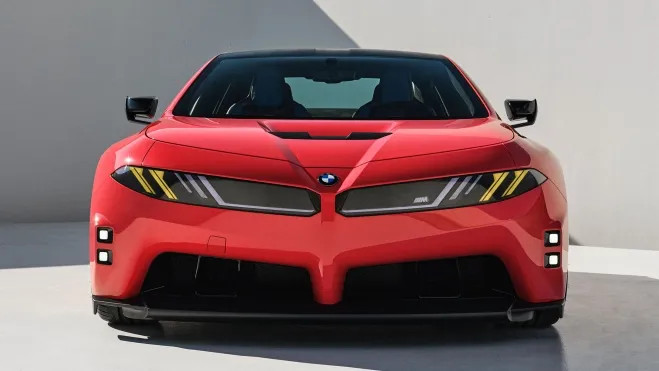
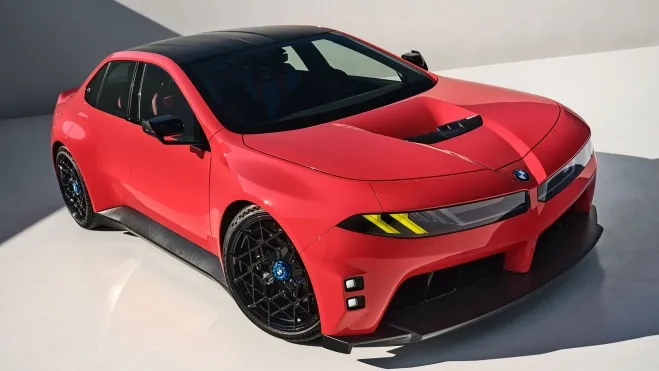
The future electric M3 was already previewed through the BMW M Concept Neue Klasse, and development prototypes have begun to appear during tests at Nürburgring. It will feature four electric motors, and BMW has not yet provided an official power figure, though various reports suggest its performance will be between approximately 700 and 1,000 horsepower. The final version is expected to be unveiled in 2027.
The use of four motors will enable an especially advanced torque management system. BMW M will be able to control each wheel individually and adjust power distribution much more quickly and precisely. The company has been working on this technology through prototypes for some time and believes such an architecture can elevate the dynamic capabilities of its vehicles to a new level.
The production model will be based on the new BMW i3, though it will feature the usual modifications seen in any M-developed product. The prototypes show a significantly more aggressive body design, with widened wheelbases, broader tracks, custom bumpers, large brakes, sports suspension, a new hood, and a prominent rear diffuser.
The gasoline M3 won’t disappear because of the electric version
But perhaps the most significant aspect of Frank van Meel’s remarks to Motor1 is that BMW does not intend to present this transition as a choice made on behalf of its customers. The new electric M3 will be accompanied by a new generation of the traditional M3, which will retain its well-known six-cylinder in-line engine.
BMW M’s top executive acknowledges that some of its fans might interpret the arrival of such an electric vehicle as technology the manufacturer is trying to impose on them. His response, however, is exactly the opposite. The brand aims to “build cars that we ourselves love,” and then allow each customer to decide whether they prefer driving an electric vehicle or continuing to use a gasoline-powered car.
This strategy is likely to extend beyond the M3. BMW is already developing other high-performance electric vehicles, with various reports suggesting future electric M4s and even X5 M models. That doesn’t necessarily mean an immediate end to their gasoline counterparts either: BMW M itself remains committed to its six- and eight-cylinder engines as long as there is sufficient demand and regulations allow it.