
France and Germany agree to further relax the ban on internal combustion engines by 2035
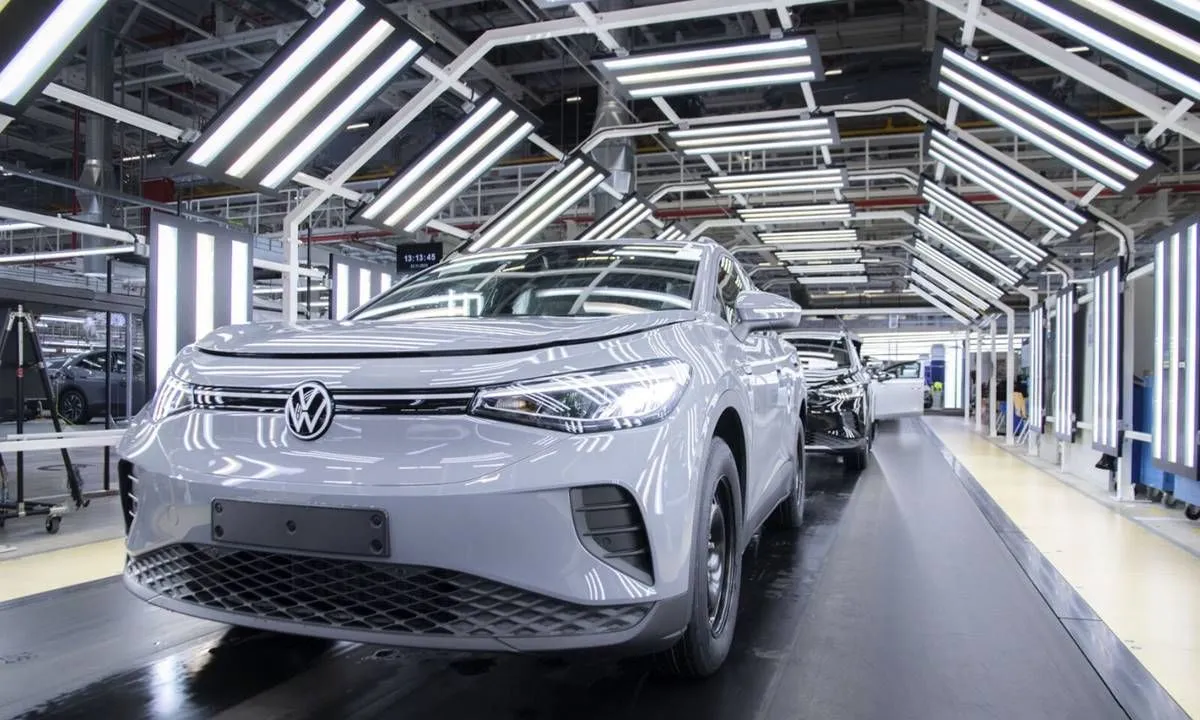
Although we all know that by 2035 almost no one will buy internal combustion engines cars in Europe, at least in the major markets, Germany needs to stretch things as far as possible to sell its diesel and gasoline vehicles wherever there is some demand. That’s why the Germans have pressured France to sign an agreement demanding greater flexibility from the European Union regarding the regulations governing new car emissions by 2035.
The deal, reported by several German media outlets, could unlock negotiations among member states, which have been at odds for months over the future of Europe’s automotive industry.
The agreement includes an industrial counterpart. Germany would support France’s demands to introduce stricter “European purchase” rules that give preference to products manufactured within the European Union in government subsidies and contracts. In return, France would support Germany’s position of granting automakers more flexibility to continue selling vehicles with internal combustion engines beyond 2035.
According to reports by Handelsblatt and Frankfurter Allgemeine Zeitung, German Chancellor Friedrich Merz and French President Emmanuel Macron may present the agreement ahead of the European leaders’ meeting scheduled for October 15 in Brussels. So far, the two governments had held opposing positions: Berlin called for relaxing restrictions on manufacturers, while Paris defended European procurement conditions and opposed weakening environmental requirements beyond what was planned.
France’s change in stance could prove decisive in breaking deadlock in negotiations. Along with Sweden, Spain, Denmark, Luxembourg, the Netherlands, and Portugal, the French government had formed a blocking minority against broader rules changes than those proposed by the European Commission. If Paris shifts its position, proponents of relaxing the targets might gather enough support to push through the amendment.
The European Commission had already proposed a first review of the rules by the end of 2025, following pressure from Germany, Italy, and automobile manufacturers. The proposal involves reducing the target for cutting CO₂ emissions from new cars in 2035 by 100% to 90% compared to 2021 levels. This would allow certain combustion technologies to remain on the market after that date, rather than requiring a complete reduction in emissions from new vehicles.
More room for plug-in hybrids and combustion engines
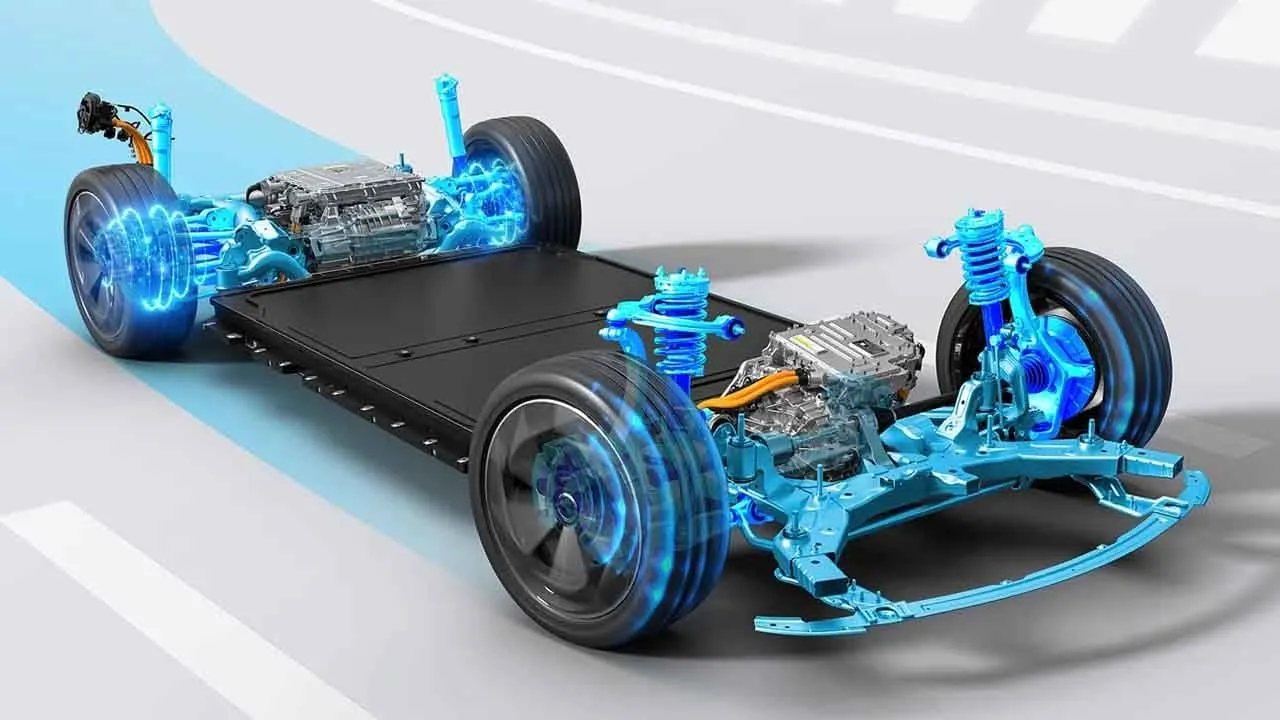
Under Brussels’ initial proposal, manufacturers could continue selling plug-in hybrids (PHEV), extended-range electric vehicles (EREV), and conventional models with internal combustion engines after 2035, as long as they offset the remaining emissions through certain solutions. These include using low-carbon steel produced in the European Union, synthetic fuels, and biofuels.
However, the agreement between France and Germany would go further. According to diplomatic sources cited by Handelsblatt, both countries would push to reduce the emissions cut target to 80% compared to 2021, rather than the 90% proposed by the Commission, and do so without requiring additional compensation for the remaining emissions. If this proposal succeeds, manufacturers would have much greater freedom to keep selling cars with internal combustion engines, though the final scope will depend on the wording of the new rules and their approval by European institutions.
The deal would also affect the intermediate targets set for 2030. Merz and Macron would support extending the deadline for manufacturers to reduce emissions from their fleets by 55% compared to 2021. Instead of having the period from 2030 to 2032, as proposed by the Commission, companies would have five years to meet the goal.
This extension would allow manufacturers to spread out the effort to reduce emissions over a longer period and lessen the risk of facing heavy fines for failing to meet targets. For an industry undergoing a profound technological transformation, this extra time would provide short-term relief, though it would also prolong uncertainty about the pace of electrification in the European market.
The regulation setting the 2035 target was agreed upon in 2023 with the aim of reducing transportation emissions and contributing to the European Union’s climate neutrality goal by 2050. Since then, Germany, home to manufacturers such as Volkswagen, BMW, and Mercedes-Benz, has pushed for greater flexibility. The German government argues that its companies need time to cope with competition from Chinese manufacturers and the effects of U.S. tariffs.
However, relaxing the targets also has environmental consequences. The organization Transport & Environment (T&E) had previously warned that the Commission’s original proposal could reduce the proportion of battery electric cars in new vehicle registrations by around 85% by 2035. It also estimates that CO₂ emissions from cars between 2025 and 2050 would be about 10% higher than those under current rules.
If the Franco-German agreement succeeds, that gap could widen by allowing manufacturers to maintain a larger supply of models with internal combustion engines for longer. This negotiation thus opens a new front in the European debate over how to protect the automotive industry without compromising climate goals. For now, it is a political position that must be resolved through community negotiations before becoming law.
Opinion
It’s clear that Germany is desperate as it faces impending challenges. Losing the Chinese market and facing Trump’s tariffs in the United States have trapped companies that have thrived for decades on favorable conditions. Germany’s prestige is fading with the new era of electric vehicles, and a lack of vision and innovation has only served to pave the way for foreign companies, both Chinese and Tesla, allowing them to establish themselves even more easily in recent years.
The tariffs have been a temporary fix that merely bought them some time, which they failed to utilize effectively. Now, some Chinese companies have decided to build factories in Europe—a short-term strategy that will enable them to seize the market in the medium and long term without much resistance.