
France and Germany reach an agreement to weaken European emission targets by 2035
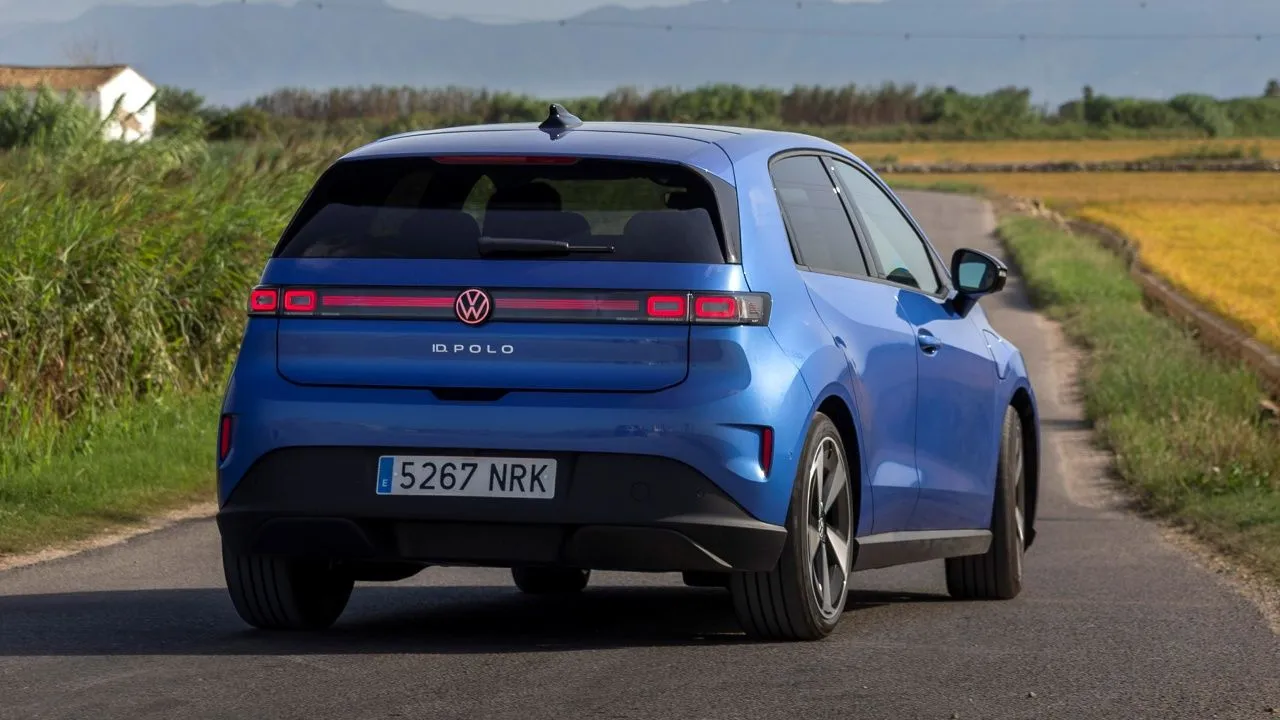
France and Germany reached an agreement last week to soften the European Union’s emissions rules by 2035; additionally, the way forward for treating the UK as a preferred partner under the ‘Made in Europe’ rules has been opened, with these rules aiming to boost local production and protect European industries from Chinese brands.
Last year, the European Commission proposed that car manufacturers reduce their average carbon dioxide emissions by 90% compared to 2021 levels by 2035, while the remaining 10% should be offset through additional measures (alternative fuels, use of green steel, etc.). The 90% emissions reduction target remains in the Franco-German agreement, but the offset measures for the other 10% have been dropped.
The new plan also proposes that European content rules apply to all 27 countries in the bloc as well as priority partners like the United Kingdom, which would provide a lifeline for Britain’s automotive industry, severely hit by Brexit. Companies such as Volkswagen have praised the changes introduced by France and Germany.
It should be noted, however, that for other countries to benefit from the “Made in Europe” rules, they must align with the European Union’s trade protection measures, meaning the UK might be forced to restrict imports of hybrid and electric vehicles from China. It is still unclear how the British will respond to this approach.
The Franco-German proposal still needs approval from the European Parliament
German Chancellor Friedrich Merz has praised this agreement, adding that Italy supports most of the proposals. However, not everyone views this move positively. According to Reuters, German Green Party lawmaker Swantje Michaelsen claims the German government is holding back the industry.
Currently, high fuel prices are driving up demand for electric cars, which is why Anna Krajinska from Transport & Environment calls the agreement between France and Germany a historic mistake, as it reduces incentives for manufacturers to invest in electric mobility. “German and French political leaders claim they are acting to save jobs, but this could well be the deal that sinks Europe’s automotive industry.”
In any case, France and Germany will now need to convince the European Parliament and the other member states so that their agreement can take effect. If it succeeds, it is likely to be approved no earlier than next year, although with the support of the two leading powers in the European Union, it is unlikely to fail.